Discover The MBTI Types Most Likely To Become Professional Chefs
For many people, finding a career that blends passion, talent, and personality can be a daunting task. Though countless individuals dream of becoming professional chefs, not everyone is cut out for the demanding yet rewarding world of culinary arts. It can be emotionally draining to spend years pursuing a career that doesn’t quite fit your natural inclinations. The good news? Understanding your Myers-Briggs Type Indicator (MBTI) can provide valuable insights into your suitability for this exhilarating profession.
Imagine the frustration of jumping from one cooking job to another without finding satisfaction. The emotional toll can be heavy: dreams unfulfilled and talents untapped. But what if you knew that certain personality types are naturally more inclined to thrive as chefs? In this article, we will explore which MBTI personality types are best suited for the culinary world and why they are likely to excel.
Let's dive into the psychology behind these personality types and uncover the four MBTI types most likely to become professional chefs.
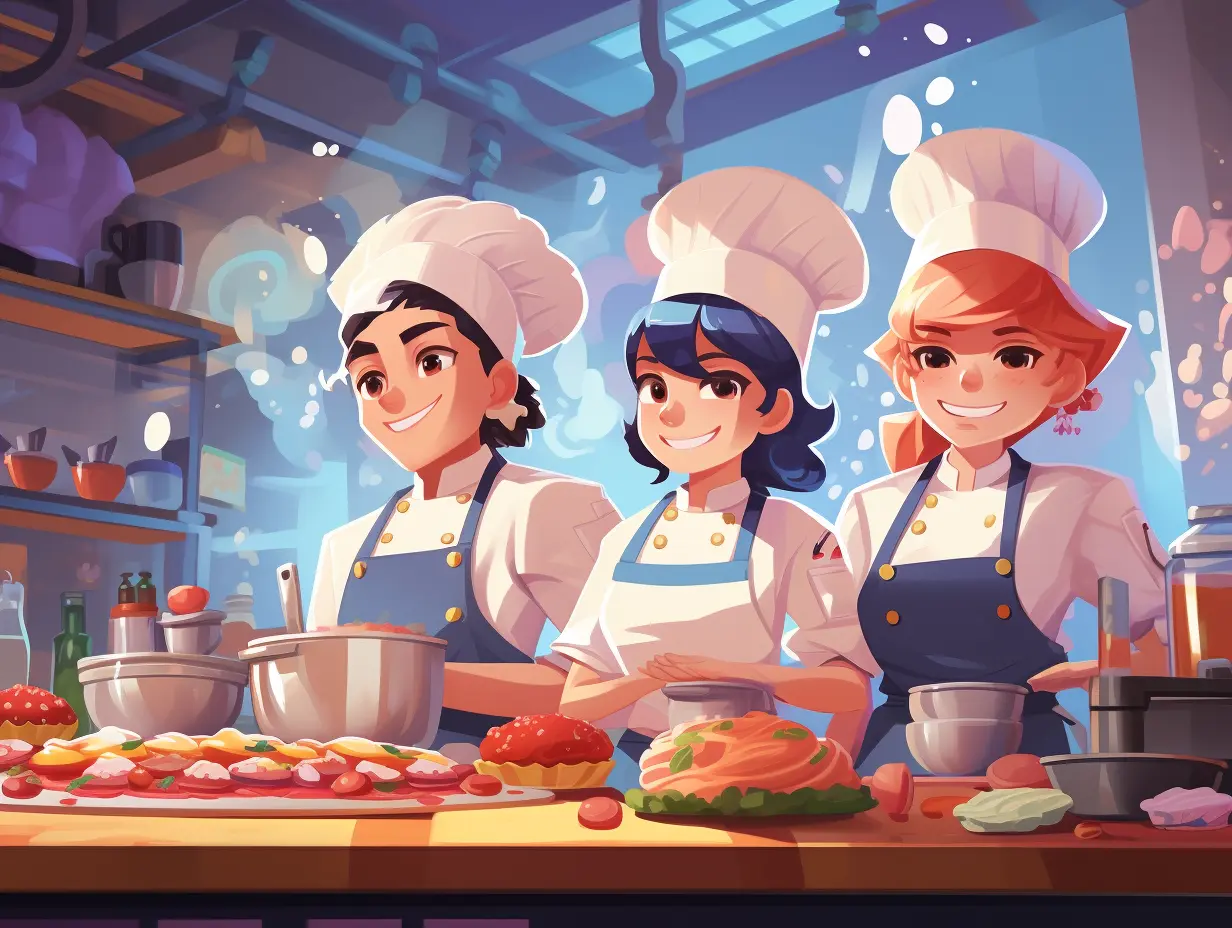
The Psychology Behind Becoming A Professional Chef
Why do some people feel an innate connection to the culinary arts while others flounder? The answer often lies in the psychology of personality types. The MBTI offers a framework for understanding ourselves and how we fit into the world. Specifically, it measures preferences in four key areas: Introversion/Extraversion, Sensing/Intuition, Thinking/Feeling, and Judging/Perceiving. These scales shape how individuals perceive their environments and make decisions, impacting everything from career choice to day-to-day interactions.
Consider Gordon Ramsay, a well-known Commander (ENTJ) who thrives in high-pressure kitchen environments and effortlessly commands respect. His personality type, known for strategic thinking and decisive action, fits seamlessly with the demands of a professional kitchen. Conversely, an Artist (ISFP) like Jamie Oliver brings a different flair—creativity and a strong sense of aesthetics—which enriches the dining experience. These variations underscore how personality types can shape not only a career but also how one brings unique qualities to the job.
The MBTI Types Most Likely To Become Professional Chefs
Certain personality types are particularly well-suited to becoming professional chefs. Here are four MBTI types most likely to succeed in the culinary world:
Commander (ENTJ): Strategic Leaders in the Kitchen
Commanders are natural leaders who thrive in high-pressure environments. Their ability to strategize and organize makes them particularly effective in the fast-paced world of professional kitchens. They possess a strong vision for what they want to achieve, which allows them to direct their teams with clarity and purpose. In the culinary field, this translates to a well-run kitchen where tasks are executed efficiently, and the end product consistently meets high standards.
Furthermore, Commanders are decisive and not afraid to make tough calls when necessary. They can adapt quickly to changing situations, whether that involves adjusting a menu on the fly or managing unexpected staff shortages. Their confidence and assertiveness inspire those around them, fostering a culture of accountability and excellence. In addition to their leadership skills, Commanders often have a keen understanding of business operations, allowing them to manage costs and maximize profits effectively.
Artist (ISFP): Creators of Culinary Aesthetics
Artists are deeply in tune with their senses and have an innate ability to create beauty through their work. In the culinary world, this translates to a unique talent for crafting visually stunning dishes that not only taste incredible but also appeal to the eye. Their creativity allows them to experiment with flavors, textures, and presentation, transforming everyday ingredients into extraordinary culinary experiences.
Moreover, Artists often have a strong emotional connection to their food, which can lead to the creation of dishes that tell a story or evoke specific memories. This personal touch can resonate with diners, creating a memorable dining experience. They are also adaptable and open to new ideas, making them excellent collaborators in kitchens that value innovation and creativity. Their passion for aesthetics means they are likely to stay on top of culinary trends, ensuring their offerings remain fresh and exciting.
Performer (ESFP): Energetic Entertainers in the Culinary Scene
Performers thrive on interaction and energy, making them well-suited for the bustling environment of a professional kitchen. Their natural charisma allows them to engage effectively with both their team and customers, creating a lively and welcoming atmosphere. This ability to connect with others can enhance teamwork and boost morale, which is crucial in high-stress culinary settings.
Additionally, Performers are spontaneous and adaptable, qualities that serve them well when faced with the unpredictability of a busy kitchen. They often bring a sense of fun to their work, which can lead to innovative ideas and unique dishes that surprise and delight diners. Their enthusiasm for food and entertaining can also translate into engaging dining experiences, such as live cooking demonstrations or interactive meals, making them standout chefs in the culinary world.
Crusader (ENFP): Innovators of Culinary Exploration
Crusaders are known for their passion and enthusiasm, which they channel into their culinary pursuits. Their desire to explore new ideas and flavors makes them ideal for experimental kitchens that prioritize creativity and diversity. They are often at the forefront of culinary trends, eager to push boundaries and challenge traditional cooking methods.
Their open-mindedness and ability to think outside the box allow them to create unique dishes that reflect their adventurous spirit. Crusaders are also great at rallying others around a common vision, inspiring their teams to embrace innovation and take risks in their cooking. This collaborative approach can lead to exciting culinary projects that celebrate a variety of cultures and cuisines, making them influential figures in the culinary arts. Their infectious enthusiasm often leaves a lasting impression on both colleagues and diners, fostering a sense of community and shared passion for food.
Potential Pitfalls For Aspiring Chefs
While these personality types may have a natural inclination towards culinary arts, there are potential pitfalls:
Overworking
Explanation: Professional chefs often work long, grueling hours, which can lead to burnout. Avoidance Strategies: Set specific work hours, take regular breaks, and ensure you have time for self-care.
Perfectionism
Explanation: The desire to create the 'perfect' dish can be both a driving force and a stressor. Avoidance Strategies: Accept that mistakes are part of the learning process. Seek feedback and embrace imperfection as a growth opportunity.
High-Stress Environments
Explanation: Kitchens can be high-pressure settings, which might overwhelm some personality types. Avoidance Strategies: Develop effective stress management techniques like meditation, exercise, or even professional counseling.
Creative Blocks
Explanation: Artists and Crusaders may face periods where creativity seems to dry up. Avoidance Strategies: Engage in activities outside of cooking to re-ignite your creativity. Travel, read, or try other forms of art.
Lack of Work-Life Balance
Explanation: The demanding nature of the culinary field can strain personal relationships. Avoidance Strategies: Allocate specific times for family and friends. Prioritize work-life balance as much as career success.
Latest Research: Fostering Digital Friendships Through Shared Interests
Han et al.'s study on the dynamics of friendship formation in online social networks sheds light on how shared interests and social features such as geographic proximity influence the likelihood of forming friendships in the digital realm. This research emphasizes the role of shared interests in bringing people together, highlighting the potential of online platforms to facilitate meaningful connections. The findings suggest that digital environments can serve as valuable spaces for adults to expand their social circles and find communities where they feel a sense of belonging.
The study encourages individuals to leverage online platforms to foster friendships based on common interests, emphasizing the importance of these connections in enhancing one's social life. Han et al.'s research offers insights into the ways digital friendships can complement and enrich our offline relationships, suggesting that the principles of shared interests and social connectivity apply both in the physical and digital worlds.
Exploring online social networks with Han et al. provides a comprehensive look at the formation of digital friendships, highlighting the intricate ways in which shared interests and other social factors contribute to the development of supportive and engaging online communities. This study enriches our understanding of modern friendships, offering guidance on how to navigate and cultivate meaningful connections in the age of social media.
FAQs
What skills do MBTI Commanders (ENTJs) bring to the kitchen?
Commanders are natural leaders with a knack for strategic thinking and efficiency. They bring a level of organization and discipline that is crucial for running a successful kitchen.
How can Artists (ISFPs) sustain creativity in a high-pressure environment?
Artists can sustain creativity by engaging in other artistic pursuits outside of work. They should also create a workspace that inspires them and surround themselves with sources of inspiration.
How important is emotional intelligence for Performers (ESFPs) in the kitchen?
For Performers, emotional intelligence is key to creating a positive and productive kitchen environment. Their ability to understand and manage emotions helps them lead and motivate their team effectively.
Can Crusaders (ENFPs) excel in traditional kitchens, or are they better suited for innovative ones?
While Crusaders can excel in traditional kitchens, their strengths in creativity and innovation make them particularly suited for environments that value and encourage new ideas and experimentation.
How do different MBTI types handle kitchen stress?
Each MBTI type handles stress differently. For instance, Commanders may rely on their organizational skills, whereas Performers might use their social skills to de-stress. Developing personalized stress management techniques is vital for all.
Wrapping Up: The Spice of Personality in Culinary Arts
Your culinary path can be deeply influenced by your personality type. Understanding the MBTI framework can shine a light on why certain career paths resonate with you more deeply. For aspiring chefs, knowing your personality can help you find fulfillment and success in the kitchen. Whether you’re a Commander marshaling your team, an Artist crafting beauty on a plate, a Performer energizing your space, or a Crusader pushing the culinary boundaries, your unique traits are the ingredients that will make your culinary journey a delectable adventure. Keep exploring, stay true to yourself, and let your personality spice up your professional life!