Discover The 5 MBTI Types Most Likely to Engage in Historical Reenactments
Historical reenactments bring history to life in a way that books and documentaries simply cannot. Yet, finding the right group of people to share this interest with can be challenging. Enthusiasts often feel disconnected amidst a sea of uninterested acquaintances, leading to feelings of isolation and frustration. But what if there was a way to pinpoint individuals who share this unique passion based on their personality traits?
Engaging in historical reenactments is not just a fun and educational activity; it's a social experience that thrives on enthusiastic participation. When you're surrounded by people who don't share your zeal, it can be disheartening, leading you to question your own interests and sometimes, even give them up altogether. The emotional stakes are high, as this hobby often demands time, effort, and emotional investment.
Thankfully, understanding which MBTI types are more inclined towards historical reenactments can help forge deeper connections. In this article, we will uncover the five MBTI types most likely to engage in historical reenactments, helping you find your tribe and reignite your passion.
The Psychology Behind Historical Reenactments
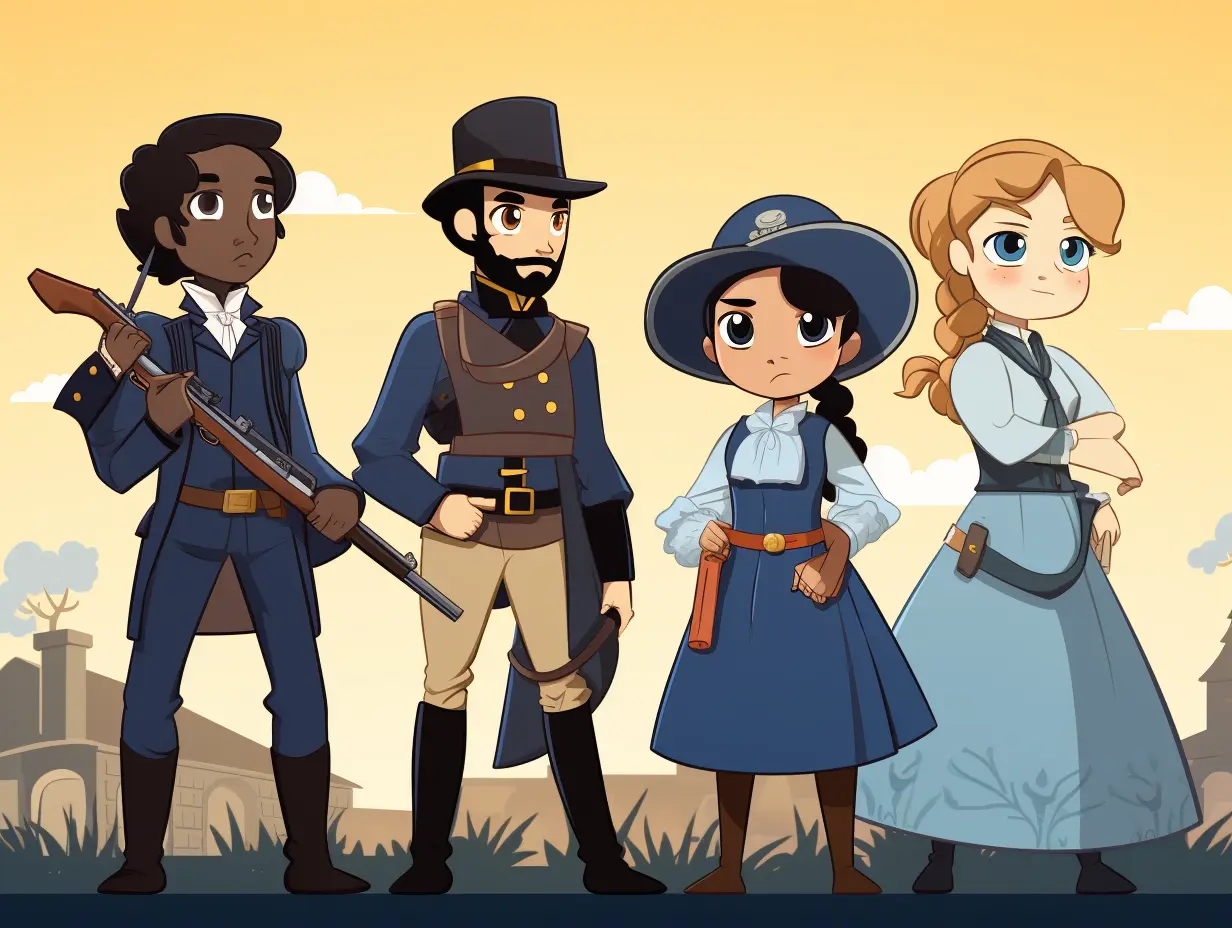
Engaging in historical reenactments is more than just playing dress-up. It's a profound experience rooted in a psychological desire to connect with the past. Historical reenactments allow participants to step into the shoes of individuals from another era, offering a temporary escape from the modern world. This escape acts as a form of psychological respite, providing a break from everyday stresses.
For example, let's consider the life of John, an IT professional who often feels burnt out from his demanding job. The weekends offer him a chance to transform into a colonial blacksmith, reliving the simplicity and challenges of a bygone era. This historical escapism not only recharges his mental batteries but also provides an avenue for creative expression. The desire to immerse oneself in another time period often stems from an innate curiosity and a longing for a deeper connection to history.
Science tells us that humans are storytelling creatures. Our brains are wired to find meaning through narratives, and what better narrative to explore than the rich tapestry of human history? Participating in historical reenactments satisfies this instinctual need to understand and discover, fostering a sense of belonging and purpose.
MBTI Types and Historical Reenactments
It's no secret that certain personality types are more attracted to specific hobbies and interests. When it comes to historical reenactments, five MBTI types stand out. These personality types are not only naturally drawn to history but also possess the qualities needed for immersive reenactment experiences.
Guardian (INFJ): Reflective and Imaginative Explorers
Guardians, or INFJs, are known for their deep introspection and imaginative capabilities. They thrive in environments that allow them to explore complex narratives and the emotional undercurrents of historical events. Their ability to understand the motivations behind historical figures and societal changes makes them particularly adept at portraying these characters in reenactments. They often seek to uncover the layers of meaning in history, which enriches their performances and the overall experience for their fellow reenactors and audiences alike.
In a reenactment setting, Guardians excel at character development, often immersing themselves in research to accurately depict their roles. They may spend significant time studying the historical context of their characters, leading to a nuanced performance that resonates with authenticity. Their reflective nature allows them to empathize with the struggles and triumphs of those they portray, creating a compelling narrative that engages others. Additionally, their natural inclination toward collaboration fosters a supportive atmosphere within reenactment groups, encouraging others to delve deeper into the historical material.
Artist (ISFP): Aesthetic Creators of History
Artists, or ISFPs, possess a unique blend of creativity and appreciation for aesthetics, making them invaluable in the realm of historical reenactments. Their keen eye for detail allows them to craft visually stunning representations of historical periods, from costumes to props. This attention to the artistic elements of reenactment not only enhances the authenticity of the portrayal but also engages the audience on a sensory level, creating a more immersive experience.
In addition to their artistic skills, ISFPs are often deeply connected to their emotions, which can translate into powerful performances. They bring their personal interpretations to the characters they embody, allowing for a fresh and relatable perspective on historical events. Their spontaneity and adaptability enable them to respond dynamically to the unfolding of a reenactment, ensuring that each performance feels alive and genuine. This combination of creativity and emotional depth makes ISFPs essential contributors to any reenactment group, as they inspire others to appreciate the beauty and complexity of history.
Mastermind (INTJ): Strategic Architects of Historical Narratives
Masterminds, or INTJs, are strategic thinkers who thrive on planning and executing intricate scenarios. Their analytical minds excel at deconstructing historical events, allowing them to create well-researched and believable reenactments. They approach historical reenactments with a focus on detail and accuracy, ensuring that every aspect, from dialogue to setting, reflects the time period being portrayed. This meticulousness elevates the quality of the reenactments, making them more engaging and educational for participants and audiences alike.
In addition to their research skills, INTJs are natural leaders who can organize and direct reenactment groups effectively. They often take on the role of planners or coordinators, devising strategies that enhance the overall experience. Their ability to foresee potential challenges and create solutions ensures that the reenactment runs smoothly. Furthermore, INTJs thrive on intellectual discussions about history, often encouraging their peers to engage in thoughtful debates that deepen everyone's understanding of the subject matter.
Crusader (ENFP): Passionate Performers of Historical Tales
Crusaders, or ENFPs, are characterized by their passion and imagination, which they bring into the world of historical reenactments. Their vibrant energy and charisma make them engaging performers who can captivate an audience. ENFPs often view historical events as rich narratives filled with emotional depth and human experience, allowing them to portray characters with enthusiasm and authenticity. Their ability to connect with others on an emotional level helps to bridge the gap between history and modern audiences, making the past feel relevant and alive.
In reenactment settings, ENFPs thrive on collaboration and creativity, often inspiring their fellow participants to think outside the box. They are known for their improvisational skills, which allow them to adapt to unexpected situations during performances. This flexibility, combined with their rich internal worlds, enables them to bring a unique flair to their portrayals, making each reenactment a memorable experience. Their natural storytelling ability encourages others to engage more deeply with the historical context, fostering a sense of community and shared passion within the reenactment group.
Realist (ISTJ): Diligent Custodians of Authenticity
Realists, or ISTJs, are known for their strong sense of duty and appreciation for tradition, making them essential members of historical reenactment groups. Their practical approach ensures that every detail is meticulously planned and executed, from the accuracy of costumes to the authenticity of historical practices. ISTJs take great pride in their work, often conducting thorough research to ensure that their portrayals are as true to history as possible. This dedication to authenticity enhances the overall quality of the reenactment, providing a solid foundation for the experience.
In addition to their commitment to detail, ISTJs are reliable team players who value structure and organization. They often take on roles that involve logistical planning, ensuring that everything runs smoothly during reenactments. Their dependable nature fosters a sense of trust within the group, allowing others to focus on their performances without worrying about the underlying framework. Furthermore, ISTJs appreciate the camaraderie that comes with reenactment, often forming lasting friendships with fellow history enthusiasts who share their passion for preserving the past.
Potential Pitfalls in Historical Reenactments
While historical reenactments can be immensely rewarding, there are potential challenges that enthusiasts may face. Being aware of these pitfalls can help you navigate them more effectively.
Lack of Authenticity
The quest for authenticity is a double-edged sword. While it's crucial for a believable reenactment, striving for perfection can lead to stress and burnout. Instead, focus on achieving a balance between authenticity and enjoyment.
Group Dynamics
Not everyone in a reenactment group will have the same level of commitment or perspective. Conflicts can arise, especially when opinions clash on historical accuracy or event planning. Open communication and setting clear expectations can mitigate these issues.
Financial Constraints
Historical reenactments can be an expensive hobby. From costumes to travel expenses, the costs can add up quickly. Planning a budget and looking for DIY solutions can help manage expenses without compromising the experience.
Physical Strain
Reenactments often require physical exertion, which can be taxing. It's important to consider your fitness level and take necessary precautions to avoid injuries. Stretching exercises and proper hydration can go a long way.
Emotional Investment
The emotional engagement in reenactments can sometimes blur the lines between reality and play, leading to emotional fatigue. Taking breaks and having a strong support network can help maintain a healthy balance.
Latest Research: Leisure Interests and Friendship Dynamics
Fink & Wild's observational study challenges the common assumption that shared leisure interests are the primary drivers of friendship formation. By examining male friendship dyads on a university campus, their research suggests that while similar hobbies can enhance the enjoyment and depth of friendships, they are not the sole factor in initiating these relationships. For adults, this insight is particularly relevant, indicating that deep and lasting friendships often stem from a blend of mutual respect, emotional compatibility, and shared values, rather than just common interests.
The study encourages adults to look beyond surface-level similarities when forming new friendships, highlighting the importance of emotional and intellectual connections. It suggests that, while shared leisure activities can provide enjoyable experiences and strengthen bonds, the essence of meaningful friendships lies in the deeper connections that transcend hobbies and interests.
Fink & Wild's findings on Similarities in Leisure Interests contribute to a more nuanced understanding of friendship dynamics, emphasizing the complex nature of human connections. This perspective encourages individuals to foster relationships based on a comprehensive understanding of compatibility, enriching the social fabric of their lives with friendships that offer both depth and breadth.
FAQs
What are the basics of getting started with historical reenactments?
To get started, research local reenactment groups and attend a few events as a spectator. This will give you a sense of what's involved. Investing in a basic costume and gradually building a more detailed one can also help.
How can I find a group that matches my interests and personality?
Understanding your MBTI type can be a starting point. Look for groups that value the same aspects of reenactment that you do, whether it's historical accuracy, the social aspect, or the performance element.
Do I need to be an expert in history to participate?
Not at all. While a passion for history helps, most groups welcome newcomers and are more than willing to provide the necessary knowledge and guidance.
How do I handle conflicts within the group?
Open communication is key. Addressing issues directly and respectfully can resolve most conflicts. It's also helpful to have a mediator or a set of group guidelines to navigate disagreements.
Are there specific reenactment events for certain historical periods?
Yes, many reenactment groups focus on specific historical eras, such as the Civil War, the Renaissance, or World War II. Researching these groups can help you find one that aligns with your interests.
Embracing The Past: A Reflective Conclusion
Understanding which MBTI types are most likely to engage in historical reenactments can open the door to meaningful connections and unforgettable experiences. Whether you're a Guardian delving into complex narratives or a Crusader bringing history to life with passion and charisma, there's a place for you in the world of reenactments.
By recognizing your personality traits and understanding the common pitfalls, you can fully embrace this enriching hobby. Remember, historical reenactments are more than just a pastime—they're a gateway to understanding our past and enriching our present. So, step into the shoes of historical figures and let your inner storyteller shine.