Zombieing: Understanding The Modern Dating Dilemma
In the world of dating, communication is key. Yet, many of us have experienced the frustrating phenomenon of being ghosted—left in the dark without a word. But what happens when you think you’ve been ghosted, only to find out that the person has reemerged days, weeks, or even months later? This confusing behavior is known as "zombieing," and it can leave you feeling bewildered and hurt. How do you navigate this emotional minefield?
Zombieing taps into our deepest fears of rejection and abandonment. When someone you thought was interested suddenly disappears, it can feel like a punch to the gut. You might find yourself replaying conversations in your head, questioning your worth, and wondering if you did something wrong. The emotional turmoil can be overwhelming, leaving you feeling anxious and unsure about your future connections.
But don’t worry! In this article, we’ll delve into the meaning of zombieing, explore its psychological implications, and offer insights on how to handle it. By understanding this behavior, you’ll be better equipped to protect your emotional well-being and foster healthier relationships in the future.
What Is the Meaning of Zombieing?
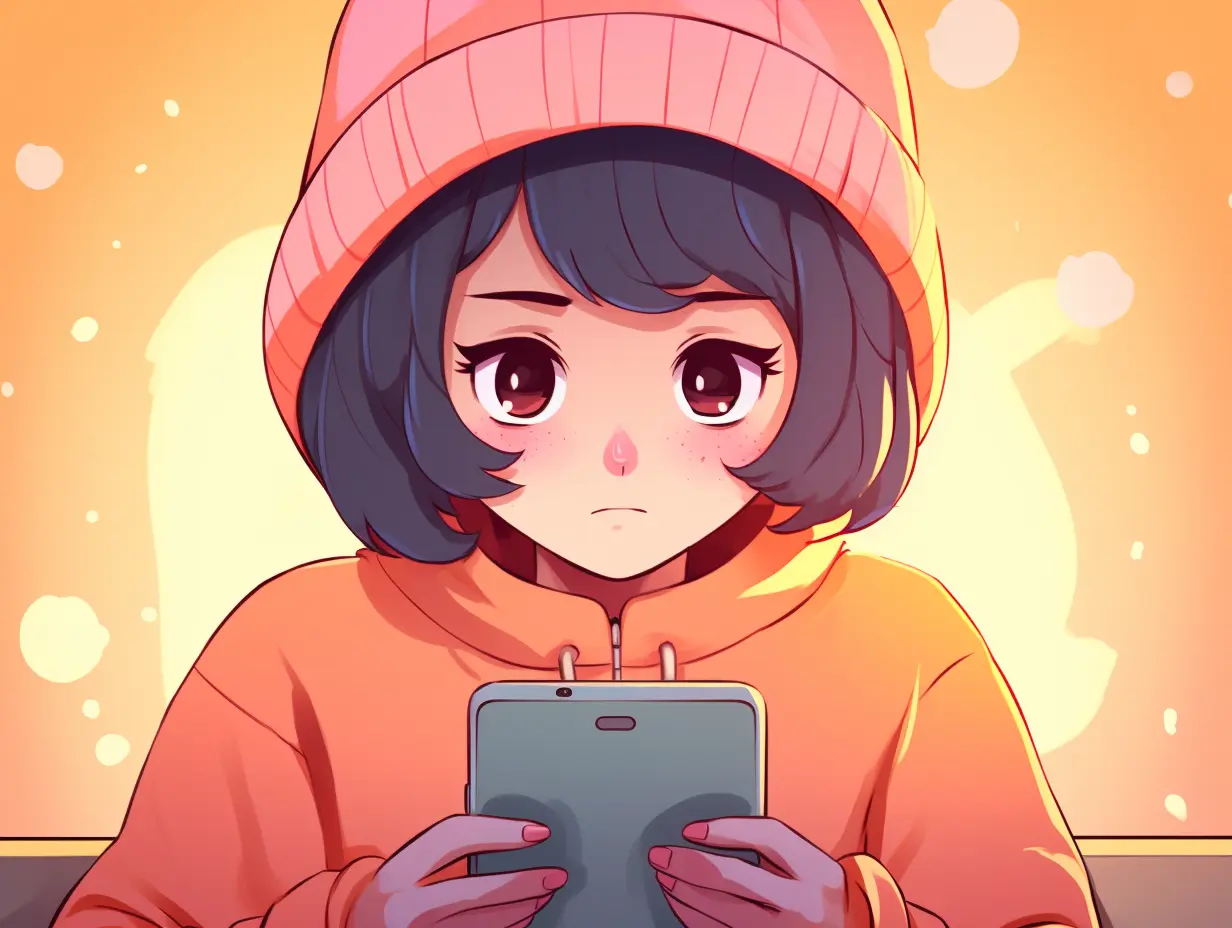
Zombieing is a term used to describe the phenomenon where someone who has ghosted you—cut off all communication—suddenly reappears in your life, often through a text or social media message. This behavior can be confusing and hurtful, as it leaves the recipient grappling with feelings of rejection and uncertainty.
In recent years, the rise of digital communication has made ghosting and zombieing more prevalent. With the swipe of a finger, people can easily cut ties and just as easily re-establish them. This trend reflects broader changes in dating culture, where emotional connections can sometimes feel more like transactions. Understanding the psychological aspects of zombieing can help us navigate these murky waters.
The Background of Zombieing
The concept of zombieing is particularly relevant today due to the increasing reliance on technology for dating and communication. As we become more connected online, we also become more susceptible to the emotional rollercoaster that comes with digital relationships. Ghosting, a term that gained popularity in the last decade, paved the way for zombieing, as both behaviors reflect a lack of communication and emotional maturity.
- Digital Communication: The ease of sending a quick text or a social media message can lead to a superficial understanding of relationships. People may feel empowered to disappear without consequences.
- Fear of Commitment: Zombieing often stems from a fear of commitment or emotional vulnerability. Individuals may be drawn to someone but lack the courage to maintain a connection.
- Emotional Manipulation: In some cases, zombieing can be a form of emotional manipulation, where the person reappears to keep you on edge or to fulfill their own needs without consideration for your feelings.
The Psychological Aspects of Zombieing
Understanding the psychological implications of zombieing can shed light on why this behavior occurs. Here are some key points to consider:
- Attachment Styles: Our attachment styles, formed during childhood, can influence how we engage in relationships. Anxious individuals may be more prone to feelings of abandonment when ghosted, while avoidant types might struggle with emotional intimacy.
- Fear of Rejection: The fear of rejection can prevent individuals from communicating openly. Instead of addressing their feelings, they may choose to disappear.
- Social Media Influence: Social media can create a false sense of connection, leading individuals to believe they can reconnect without addressing past issues. This can perpetuate the cycle of ghosting and zombieing.
Why Does Zombieing Happen?
Zombieing occurs for various reasons, often stemming from a combination of individual insecurities and societal influences. Here’s a concise summary of why it happens and what can be done about it:
- Insecurity: Individuals may feel insecure about their feelings or the relationship itself, leading them to withdraw rather than communicate.
- Convenience: The digital age has made it easy to disconnect and reconnect with minimal effort, leading to a lack of accountability.
- Desire for Control: Some people may reappear when they feel lonely or bored, using zombieing as a way to exert control over their social interactions.
To combat zombieing, it’s essential to foster open communication and set clear boundaries in relationships. By being honest about your feelings and expectations, you can create a healthier dynamic that minimizes the chances of ghosting or zombieing.
Key Insights Into Navigating Zombieing
Understanding personality types—both your own and others—can significantly improve your dating experiences and help you deal with zombieing. Here are nine actionable insights that can enhance your relationships:
-
Know Your Attachment Style: Understanding your attachment style can help you identify patterns in your relationships and communicate your needs more effectively.
-
Communicate Openly: Foster an environment where both parties feel comfortable discussing their feelings. This can prevent misunderstandings and emotional withdrawal.
-
Set Boundaries: Establish clear boundaries about communication and expectations. This helps both individuals understand what is acceptable behavior.
-
Practice Self-Reflection: Take time to reflect on your own feelings and behaviors. This can help you identify any patterns that may contribute to misunderstandings.
-
Be Mindful of Digital Communication: Recognize the limitations of digital communication. Sometimes, a phone call or face-to-face conversation can clarify intentions better than a text.
-
Encourage Emotional Vulnerability: Create a safe space for emotional expression. Encourage your partner to share their feelings and fears openly.
-
Identify Red Flags: Learn to recognize red flags early in the relationship. If someone consistently disappears without explanation, it may be a sign of deeper issues.
-
Seek Support: If you find yourself struggling with feelings of rejection or confusion, consider talking to a therapist or counselor. They can provide guidance and support.
-
Embrace Self-Care: Prioritize your mental and emotional well-being. Engage in activities that bring you joy and fulfillment outside of your dating life.
Making Positive Changes in Your Dating Life
To instigate positive changes in your dating life and minimize the chances of experiencing zombieing, follow these step-by-step instructions:
-
Reflect on Past Experiences: Take time to think about your past relationships. Identify patterns of behavior that you want to change.
-
Communicate Your Needs: When entering a new relationship, be upfront about your expectations for communication and emotional availability.
-
Practice Active Listening: Foster a culture of active listening in your conversations. This helps build trust and understanding.
-
Stay True to Yourself: Don’t compromise your values or needs to accommodate someone else. Authenticity is key to healthy relationships.
-
Be Prepared for Different Outcomes: Understand that not every connection will lead to a lasting relationship. Be open to the idea that it’s okay to move on.
Benefits of Making These Changes
Making positive changes in your dating life can lead to several significant benefits:
-
Improved Emotional Health: By fostering open communication and setting boundaries, you’ll experience less anxiety and emotional turmoil in your relationships.
-
Stronger Connections: Building relationships based on honesty and vulnerability can lead to deeper, more meaningful connections with others.
-
Greater Self-Awareness: As you reflect on your dating experiences, you’ll gain a better understanding of your own needs and desires, which can empower you in future relationships.
Potential Pitfalls to Avoid
While making changes is essential, it’s also important to be aware of potential pitfalls:
-
Overthinking: Avoid the trap of overanalyzing every interaction. Instead, focus on clear communication and trust your instincts.
-
Rushing into Decisions: Take your time when getting to know someone. Rushing can lead to misunderstandings and emotional upheaval.
-
Ignoring Red Flags: Don’t dismiss behaviors that make you uncomfortable. Trust your intuition and prioritize your well-being.
Latest Research: Social Media's Pervasive Impact on Connectivity and Tradition in India
In his 2023 review, Sunkad analyzes the pervasive influence of social media on Indian society, as detailed in this article. The study illustrates how social media has become a crucial part of daily life, offering significant benefits in terms of connectivity and access to information. For example, during national crises, social media platforms have proved indispensable for disseminating information quickly and organizing aid.
However, the review also addresses the significant impact of social media on traditional social structures, where rapid information flow and the adoption of global cultural trends can sometimes clash with local traditions and societal norms. This is particularly evident in the changing dynamics within traditional industries, where old methods and practices are being questioned and often replaced with new, technology-driven approaches.
Sunkad advocates for a balanced understanding of social media’s role in society, suggesting that while embracing the benefits of enhanced connectivity, it is also essential to address the social and cultural challenges that arise. This might involve creating platforms for dialogue that include diverse community voices to ensure that the evolution of social media aligns with societal values and enhances communal life.
FAQs
What are the signs that someone is zombieing me?
Zombieing can manifest as sudden silence followed by unexpected re-engagement. Look for patterns of inconsistent communication and lack of commitment.
Is zombieing more common with online dating?
Yes, the prevalence of online dating has contributed to the rise of ghosting and zombieing, as digital communication can sometimes lack emotional depth.
How can I protect myself from being zombieed?
Establish clear communication and boundaries from the start. Be open about your feelings and watch for red flags early in the relationship.
What should I do if someone zombies me?
If someone reappears after ghosting, consider addressing the past behavior before moving forward. Communicating your feelings can help clarify intentions.
Can understanding personality types help with zombieing?
Absolutely! Understanding your own and others' personality types can foster better communication, emotional awareness, and healthier connections.
Conclusion
Understanding zombieing is crucial in today’s dating landscape. By recognizing the signs and underlying issues, you can navigate your relationships with greater confidence and emotional intelligence. Remember, fostering open communication and understanding personality types can lead to deeper connections and healthier interactions. As you embark on this journey, stay hopeful—there's always the potential for meaningful relationships that enrich your life. Embrace the opportunity for growth and connection, and don’t let the fear of zombieing hold you back from finding the companionship you deserve.