Posted Saturday, September 26, 2026
1moWhen the Framework Meets Reality
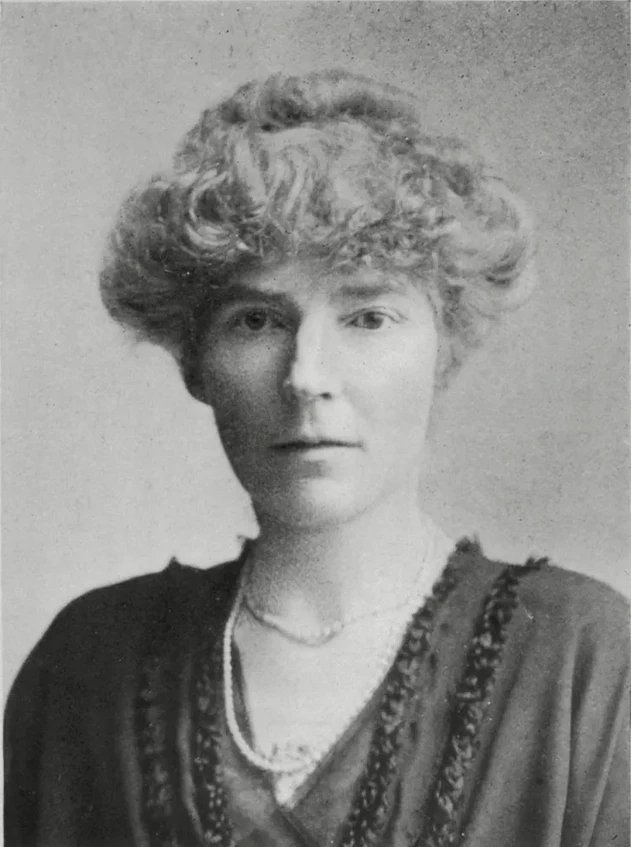
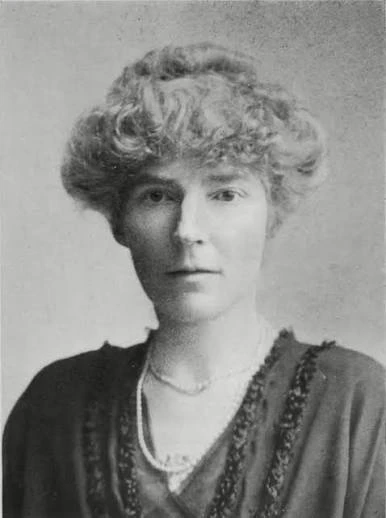
Gertrude Bell understood the region deeply. She knew its geography. Its tribes. Its alliances. Its rivalries. Its languages. Its psychology. She built mental maps of the people as carefully as she mapped the land. And yet, understanding a system is not the same as being able to control what happens when you redesign it. Bell wrote the foundational report "Self-Determination in Mesopotamia", which became an architectural blueprint for modern Iraq. She played a significant role in placing Faisal on the throne. She helped shape borders that would remain long after she was gone. But what happened next? She witnessed firsthand how her strategic work was being undermined by bureaucracy in London. How artificial borders she had drawn in the hope of creating stability began contributing to conflict between tribes. How oil interests increasingly displaced the things she had believed in. By the end of her life, Gertrude Bell was physically, morally, and emotionally exhausted. In letters from Baghdad, she expressed her growing sense of dissatisfaction and strain. In 1926, at the age of 57, she died after taking a fatal dose of sleeping medication. And now step back for a moment. Two brilliant minds. Two people who knew the region intimately. Two people who, in different ways, believed they were working toward something better. And what remained? Lawrence died carrying an enormous sense of guilt. Bell died exhausted and disillusioned. And the region they had helped shape continued to experience conflict, instability, and enormous human suffering. Millions would eventually die in wars and conflicts connected to the region. Borders would remain contested. Wars would continue. The prosperity promised by political reorganization did not arrive in the simple form that its architects imagined. Not for the people they believed they were helping. And not for the people who helped build the system either. That is the lesson I take from this part of the story. Even the most brilliant mind, the most sincere belief, and the most sophisticated strategy can fail when **living reality is forced into a rigid framework designed from the outside.** A framework can be intelligent. A strategy can be brilliant. A person can have good intentions. And yet the structure can still produce consequences that nobody intended. This is why architecture matters. Because systems do not only shape the people inside them. "People also become the material through which systems reproduce themselves." A rule becomes a habit. A habit becomes a norm. A norm becomes an expectation. An expectation becomes a constraint. And eventually, people can begin defending the very structure that limits them. That is the box. It does not necessarily need bars. Sometimes it only needs a framework that everyone has learned to treat as reality. And this brings us back to Aslan. His story was never just about one man making bad decisions. It was about what happens when a person inherits a framework, lives inside it for decades, passes it to his children — and eventually becomes one of the mechanisms through which the framework survives. "The box has no exceptions." It can consume the ordinary person. And it can consume the person who helped build it. The question now is: "What happens when the people inside the box begin to mistake the box for the world itself?"

Friends Community
The friends community, chat, and discussion.
10M SOULS
Meet New People
50,000,000+
DOWNLOADS