The Top 5 MBTI Types Most Likely to Build a Tiny House
Have you ever thought about simplifying your life but found yourself overwhelmed by the sheer amount of stuff you have? Downsizing can seem like an impossible task. Imagine eliminating the clutter and focusing on what truly matters. This journey towards minimalism often starts with a dream: building a tiny house. However, taking that first step can feel daunting.
The emotional stakes are high; our belongings often carry sentimental value, and the idea of letting go is challenging. But consider the joys of a simpler life: less cleaning, fewer expenses, and the freedom to live more deliberately. How different would your life be if you only kept the things that truly brought you happiness?
Fear not, because this journey might be written in your personality code. In this article, we’ll reveal the top 5 MBTI types most likely to take the plunge and build a tiny house. If you’ve been contemplating a minimalist lifestyle, uncovering whether you naturally align with these personality types might just be the nudge you needed.
The Psychology Behind Tiny House Living
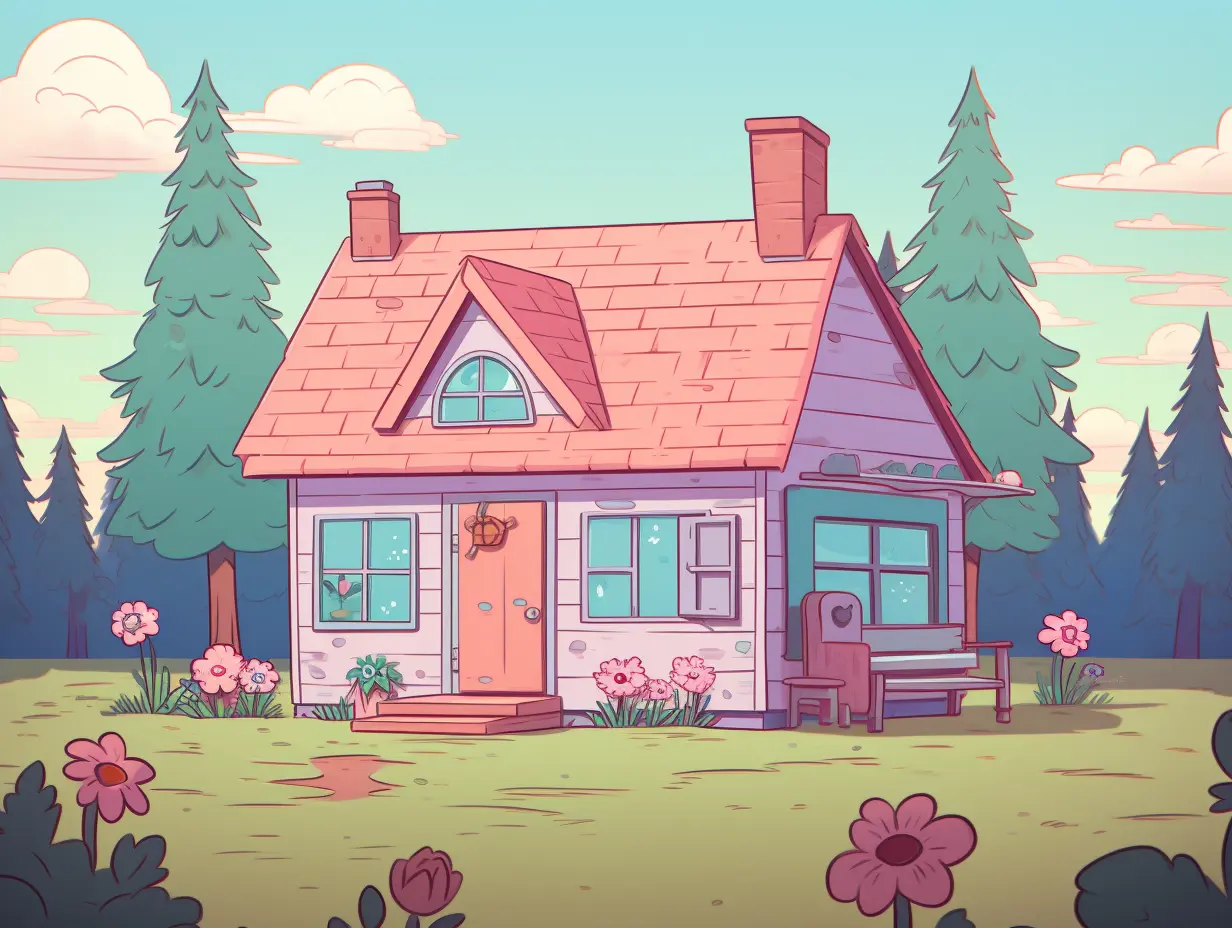
Tiny house living isn’t just a trend; it’s deeply rooted in our psychological needs and desires. From a psychological perspective, living in a smaller space forces you to prioritize and make intentional choices about what you keep in your life. This process can be incredibly liberating.
Consider the Guardian (INFJ), who often finds joy and meaning in life through deep, meaningful connections and less materialistic pursuits. A Guardian named Emily shared her journey: “Moving into a tiny house allowed me to focus on what really matters—my relationships and personal growth. The simplicity is freeing.” By decluttering her physical space, Emily also decluttered her mind, leading to enhanced mental clarity and emotional well-being.
Moreover, research has shown that reducing material possessions can decrease stress and increase happiness. A study by the Journal of Environmental Psychology found that people who lived in smaller, well-organized spaces reported higher levels of contentment. This aligns perfectly with the minimalist philosophy embraced by many MBTI types inclined towards introspective and purposeful living.
MBTI Types Most Likely to Build Tiny Houses
When it comes to taking the plunge into tiny house living, certain MBTI types shine brighter than others. Here are the MBTI types most inclined to make this lifestyle choice:
Guardian (INFJ): Seeking Meaningful Connections in Simple Spaces
Guardians, or INFJs, are known for their insightful nature and deep appreciation for meaningful relationships. They are often drawn to environments that promote personal growth and foster connections with others. Tiny house living aligns perfectly with their values, as it encourages a minimalist lifestyle that prioritizes experiences and relationships over material possessions. This lifestyle allows them to create a serene space that reflects their inner world and facilitates deeper connections with family and friends.
In a tiny house, Guardians can cultivate a peaceful environment that encourages introspection and creativity. They often favor designs that incorporate natural elements, such as large windows for sunlight and greenery, which enhance their connection to nature. Moreover, the simplicity of tiny living allows them to focus on what truly matters, whether it's nurturing relationships or pursuing personal development. By embracing a smaller footprint, they can also align their lifestyle with their values of sustainability and environmental stewardship.
- Ideal living environment: Quiet, nature-rich areas that promote solitude and reflection.
- Design preferences: Warm, inviting spaces with a focus on functionality and comfort.
- Values: Simplicity, authenticity, and meaningful interactions.
Peacemaker (INFP): Embracing Authenticity in a Cozy Retreat
Peacemakers, or INFPs, are imaginative and idealistic individuals who seek to live in alignment with their core values. The tiny house movement appeals to their desire for authenticity and simplicity, allowing them to create a personal sanctuary that reflects their beliefs and passions. For INFPs, a tiny house is not just a living space; it is a canvas for self-expression and a means to cultivate inner peace.
In a tiny house, INFPs can design their environment to inspire creativity and tranquility. They often favor cozy, eclectic interiors filled with personal touches, such as art, books, and mementos that tell their story. The limited space encourages them to prioritize what truly matters, fostering a lifestyle that emphasizes mindfulness and intentional living. Additionally, tiny house living can facilitate a deeper connection with nature, providing them with opportunities for reflection and inspiration.
- Ideal living environment: Serene, natural settings that encourage introspection and creativity.
- Design preferences: Cozy, personalized spaces with a touch of whimsy.
- Values: Authenticity, creativity, and inner peace.
Mastermind (INTJ): Innovating Efficiency in Compact Living
Masterminds, or INTJs, are strategic thinkers who thrive on efficiency and practicality. They are drawn to the tiny house movement as it presents an intriguing challenge: how to optimize a small space for maximum functionality. For INTJs, tiny house living is not merely a trend but a puzzle to solve, allowing them to apply their analytical skills to create innovative design solutions.
In a tiny house, Masterminds can implement smart storage solutions and multifunctional furniture that reflect their desire for order and efficiency. They often approach the design process methodically, considering every detail to ensure that their living space meets their needs while minimizing waste. The simplicity of tiny living resonates with their preference for a clutter-free environment, allowing them to focus on their goals and aspirations without distractions.
- Ideal living environment: Urban or suburban areas with access to resources and amenities.
- Design preferences: Sleek, modern spaces with an emphasis on functionality and minimalism.
- Values: Efficiency, innovation, and strategic planning.
Artist (ISFP): Crafting Beauty in a Personal Haven
Artists, or ISFPs, are known for their creativity and appreciation for aesthetics. The tiny house lifestyle offers them a unique opportunity to curate their living space and express their individuality. For ISFPs, a tiny house serves as a blank canvas where they can showcase their artistic talents and create a harmonious environment that resonates with their personal style.
In a tiny house, Artists can experiment with design elements, colors, and textures, transforming a small space into a vibrant reflection of their personality. They often incorporate natural materials and artistic touches that evoke a sense of warmth and comfort. The limited space encourages them to prioritize their favorite items and artistic expressions, fostering a sense of peace and inspiration in their daily lives. Additionally, the simplicity of tiny living allows them to focus on their creative pursuits without the distractions of a larger home.
- Ideal living environment: Artistic communities or tranquil rural areas that inspire creativity.
- Design preferences: Unique, personalized spaces that reflect their artistic vision.
- Values: Creativity, beauty, and self-expression.
Artisan (ISTP): Building Dreams with Practical Ingenuity
Artisans, or ISTPs, are hands-on individuals who thrive on creativity and resourcefulness. The tiny house movement resonates with their pragmatic nature, as it offers them the opportunity to build and customize their living spaces. For ISTPs, tiny house projects are not just about living small; they are about embracing the challenge of creating something unique and functional.
In a tiny house, Artisans can leverage their skills to design and construct a space that meets their specific needs. They often enjoy the process of DIY renovations and innovations, whether it's crafting custom furniture or optimizing storage solutions. The hands-on nature of tiny living allows them to express their ingenuity while embracing a minimalist lifestyle. Additionally, the compact size of a tiny house enables them to experiment with various building techniques and materials, making the project even more rewarding.
- Ideal living environment: Rural or suburban areas with ample space for building and customization.
- Design preferences: Functional, practical spaces with a focus on craftsmanship and durability.
- Values: Resourcefulness, creativity, and hands-on experiences.
Potential Pitfalls in Tiny House Living
While the rewards of tiny house living are appealing, it’s not without its challenges. Before diving in, be aware of these potential pitfalls and how to avoid them:
Limited space for belongings
Tiny house living means dramatically downsizing. This can be tough if you’re attached to your possessions. To mitigate this, adopt a one-in-one-out policy and focus on keeping only items that serve a purpose or bring joy.
Zoning laws and regulations
Not all areas are tiny-house-friendly. Research local zoning laws and regulations thoroughly before starting your build. Look for tiny house communities or municipalities with flexible housing codes.
Sustainability concerns
It’s easy to fall into unsustainable practices even in a tiny house. Opt for eco-friendly building materials, and consider energy sources like solar panels to minimize your environmental footprint.
Social isolation
Living in a tiny house can be isolating, especially if you choose a remote location. To counteract this, establish a support network and participate in community activities to maintain social connections.
Resale challenges
Tiny houses aren't for everyone, which can make resale tricky. Plan ahead by ensuring your tiny house meets standard building codes and is located in an area with a growing interest in minimalist living.
Latest Research: Similar Neural Responses Predict Friendship
The study conducted by Parkinson et al. reveals the fascinating way friends exhibit similar neural responses to the same stimuli, suggesting a deeper, perhaps unconscious level of compatibility and connection. This observation provides a compelling scientific basis for the intuitive selection of friends, indicating that our brains are naturally attuned to seek out those with whom we share a perceptual and emotional resonance. The implications of this research are profound, suggesting that the friendships we form are influenced by an intrinsic alignment in how we experience and interpret the world around us.
Parkinson et al.'s findings offer a unique perspective on the nature of friendship, emphasizing the importance of unseen, neural commonalities in the formation of close relationships. This insight has significant implications for how we understand and approach friendship, suggesting that beyond shared interests and experiences, there exists a fundamental neural harmony that binds friends together. It invites individuals to consider the underlying neural similarities that may contribute to the strength and depth of their friendships, highlighting a fascinating dimension of human connection.
The research by Parkinson et al. on similar neural responses among friends enriches our understanding of the complexities of human relationships. It suggests that the bonds we form are underpinned by more than just shared experiences or interests; they are also influenced by a deep-seated neural compatibility. This study encourages a broader appreciation of the factors that draw us to our friends and underscores the importance of nurturing relationships that resonate with us on both a conscious and subconscious level.
FAQs
What are some practical steps to start tiny house living?
Begin by decluttering your current living space. Research various tiny house designs, consult with builders, and visit existing tiny house communities to gather insights and inspiration.
How do I know if I’m ready for tiny house living?
Self-reflection is key. Evaluate your relationship with material possessions, your desire for simplicity, and your readiness to adapt to a drastically smaller living space.
Is tiny house living suitable for families?
While challenging, it is possible for families to thrive in tiny houses with thoughtful design and organization. Look into multi-functional furniture and space-saving solutions.
Can I build a tiny house on a budget?
Absolutely! DIY projects, repurposed materials, and clever planning can significantly reduce costs. Setting a clear budget and prioritizing essentials will help you stay on track.
Where can I find tiny house communities?
Tiny house communities are becoming more common. Research online, join social media groups, and attend tiny house festivals to connect with like-minded individuals and find suitable locations.
Embracing Minimalism: A Reflective Journey
Building and living in a tiny house offers more than just a smaller footprint; it’s a path towards intentional living. By understanding the psychological benefits and potential pitfalls, you’re better equipped to embark on this minimalist journey. Whether you’re a Guardian, Peacemaker, Mastermind, Artist, or Artisan, this lifestyle invites you to live more deliberately and cherish what truly matters. Take the plunge, and you might find that less really is more.