Top 3 MBTI Types for Excelling as Art Directors
It's a common issue: finding the perfect art director to lead your creative vision. You've seen projects falter because they lacked the right person to steer them towards success. This dilemma often leaves teams frustrated and clients dissatisfied. The emotional investment in each project heightens the stakes, as every misstep can lead to wasted efforts, time, and resources.
Worry not, the solution is closer than you think. By understanding the intricacies of personality types, specifically the Myers-Briggs Type Indicator (MBTI), you can identify the individuals most likely to thrive as art directors. In this article, we'll uncover the top three MBTI types ideally suited for this pivotal role, guiding you to a more harmonious and creatively charged workspace.
The Psychology of Art Direction: Why Personality Matters
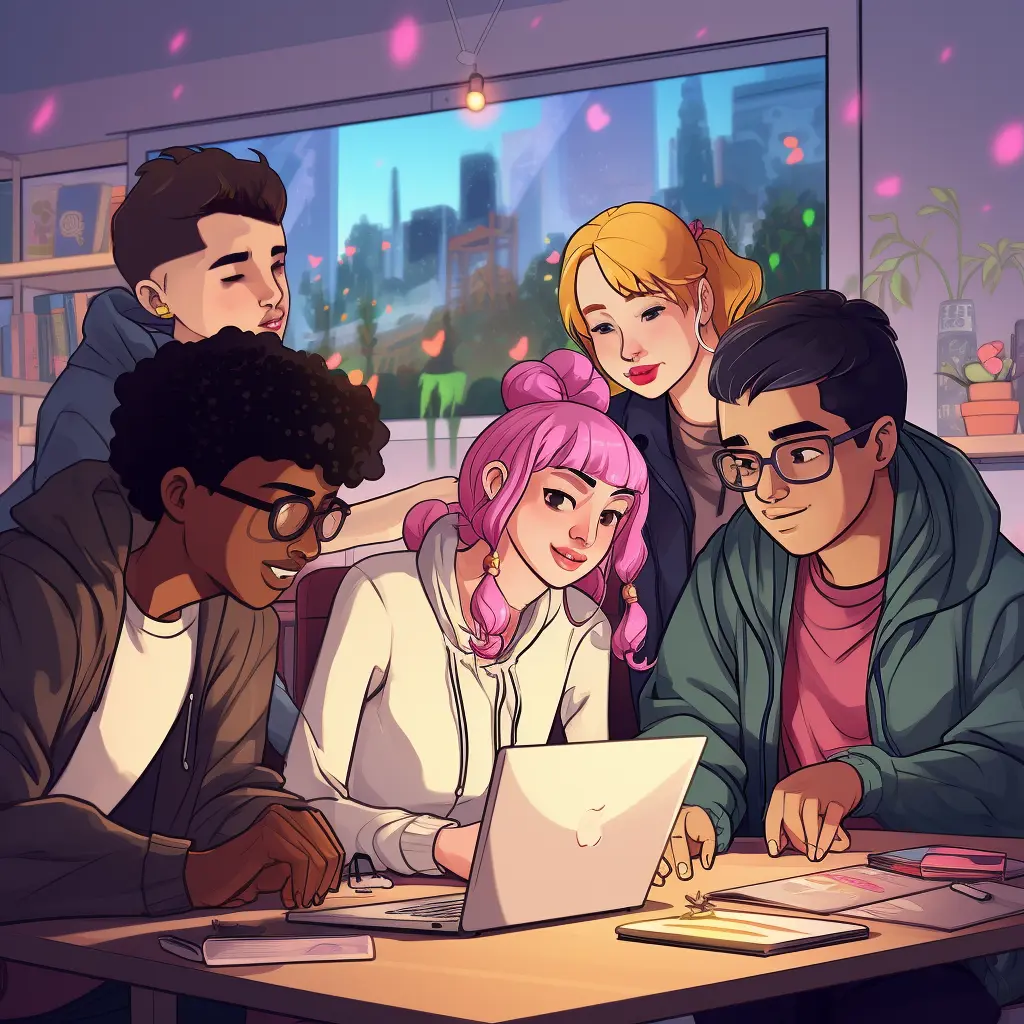
Art direction isn't just about a keen eye for design; it’s about understanding people, managing teams, and fostering a creative environment that encourages innovation. The psychology behind effective art direction is complex and multifaceted, demanding a blend of creativity, organization, and leadership.
Take, for example, a bustling design studio working on a high-stakes campaign. An art director with the right personality type will not only conceptualize stunning visuals but also seamlessly communicate with clients and inspire their team. They balance creative vision with technical constraints and deliver under pressure. When the wrong personality is in charge, miscommunications erupt, and creativity can be stifled, leading to subpar outcomes.
The Best MBTI Types for Art Directors
Different personality types bring unique strengths to the table, but a few stand out when it comes to art direction. Here are the top three MBTI types that have shown exceptional aptitude in this role:
Commander (ENTJ): The Visionary Leader
Commanders are characterized by their strong leadership qualities and strategic mindset, making them highly effective in art direction. They possess an innate ability to organize teams and projects, ensuring that every detail aligns with the overarching vision. This type thrives in environments where they can take charge, set clear goals, and drive the team toward achieving them. Their decisiveness and confidence not only propel projects forward but also inspire team members to perform at their best.
In the role of an art director, Commanders excel in project management and coordination. They are skilled at delegating tasks, analyzing progress, and making necessary adjustments to keep projects on track. Their focus on efficiency and effectiveness allows them to optimize resources and timelines, ensuring that the final product meets both aesthetic and functional standards. Additionally, their natural charisma and assertiveness can foster a culture of collaboration, motivating team members to contribute their ideas and talents.
Key strengths of ENTJs in art direction include:
- Strategic planning and execution
- Strong leadership and team management skills
- Ability to inspire and motivate others
Artist (ISFP): The Aesthetic Sensitivity
Artists are deeply connected to their creative instincts and possess an acute sensitivity to aesthetics, making them invaluable in the role of art directors. They have a unique ability to see beauty in the world around them and translate that vision into compelling visual narratives. This personality type thrives in environments that allow for creative expression and exploration, often bringing a fresh perspective to projects that resonate emotionally with audiences.
As art directors, ISFPs excel in understanding the emotional impact of design choices. They have a keen eye for detail and are adept at creating visual compositions that evoke feelings and tell stories. Their passion for art and design drives them to continuously refine their skills and stay updated with the latest trends, ensuring that their work remains relevant and innovative. Moreover, their empathetic nature allows them to connect with clients and team members on a personal level, facilitating open communication and collaboration.
Key strengths of ISFPs in art direction include:
- Exceptional aesthetic sensibility
- Ability to connect emotionally with audiences
- Passion for creativity and continuous improvement
Crusader (ENFP): The Innovative Trailblazer
Crusaders are known for their boundless enthusiasm and innovative thinking, making them well-suited for the dynamic role of art directors. They thrive in environments that encourage brainstorming and collaboration, often generating a plethora of fresh ideas that challenge the status quo. Their natural charisma and ability to rally teams around bold concepts can transform ordinary projects into extraordinary creative endeavors.
In the art direction context, ENFPs excel at fostering a collaborative atmosphere where every team member feels valued and encouraged to contribute. They are skilled at identifying unique angles and themes, infusing projects with originality and energy. Their adaptability allows them to pivot quickly in response to feedback or changing circumstances, ensuring that the final output reflects the collective vision of the team. As a result, they can create compelling visual experiences that captivate audiences and leave a lasting impression.
Key strengths of ENFPs in art direction include:
- Innovative and out-of-the-box thinking
- Strong ability to inspire and energize teams
- Flexibility and adaptability in creative processes
Potential Pitfalls for Art Directors: What to Watch Out For
While certain personality types excel as art directors, potential pitfalls can arise. Being aware of these can help mitigate risks and pave the way for a successful collaboration.
Overloading on Vision Without Pragmatism
Art directors with highly creative visions might struggle with the practical aspects of project management.
- Solution: Balance visionary ideas with feasible steps by involving a project manager or using project management tools.
Miscommunication With Team Members
Different communication styles can lead to misunderstandings and delays.
- Solution: Establish clear communication channels and regular check-ins to ensure everyone is on the same page.
Inflexibility Under Pressure
Stressful situations can cause even the best directors to become rigid and unyielding.
- Solution: Encourage flexibility by promoting a collaborative environment where team members feel comfortable sharing ideas and feedback.
Neglecting Client Vision
An art director's vision might overshadow the client's needs.
- Solution: Maintain an open dialogue with clients and regularly seek their input to align project goals.
Micromanaging Creative Talent
Over-involvement can stifle the creativity of team members.
- Solution: Trust your team's expertise and give them the autonomy to explore and innovate within the project's framework.
Latest Research: Similar Neural Responses Predict Friendship
The groundbreaking study by Parkinson et al. unveils the intricate ways in which friends exhibit similar neural responses to stimuli, suggesting a profound connection that goes beyond mere surface-level interests. This research illuminates the idea that friendships are not just formed through shared experiences or interests but are also rooted in the fundamental ways individuals process the world around them. Such findings highlight the importance of seeking friendships where there is not only a shared interest or background but also a deeper, almost instinctual, understanding and perception of life and its various stimuli.
Parkinson et al.'s study is a testament to the complexity of human relationships, suggesting that the bonds of friendship are supported by a shared framework of cognitive and emotional responses. This insight encourages individuals to consider the intrinsic qualities that draw them to their friends—qualities that reflect a shared way of interacting with the world. It implies that the friendships most capable of providing profound understanding and connection are those where this alignment of neural responses occurs, offering a unique lens through which to view the formation and depth of friendships.
The research conducted by Parkinson et al. transcends the basic concept of friendship, inviting a reflection on how shared neural responses can foster a sense of belonging and mutual understanding. This perspective emphasizes the importance of aligning with those who not only share our interests but also our perceptual and emotional responses to the world. Similar neural responses predict friendship provides compelling evidence of the underlying neural congruencies that contribute to the formation of deep and enduring friendships, highlighting an often-overlooked dimension of human connection.
FAQs
How important is the MBTI in selecting an art director?
While not the only factor, understanding MBTI types can provide valuable insights into a candidate's strengths and weaknesses, helping you make more informed decisions.
Can someone succeed as an art director without the ideal MBTI type?
Absolutely, success depends on a range of factors including experience, skills, and mindset. MBTI is simply one tool to help identify potential fit.
How can an art director balance creativity with client constraints?
Effective communication and setting clear expectations from the start can help art directors balance their creative vision with the client's needs and constraints.
What are some tools that can aid art directors in their role?
Project management software, collaboration platforms, and design tools can all play a crucial role in helping art directors manage their tasks efficiently.
How does team dynamics affect an art director's effectiveness?
Strong team dynamics enhance communication, foster innovation, and increase overall productivity, making it essential for an art director to cultivate a positive team environment.
Making the Right Choice: A Reflective Conclusion
Choosing an art director is more than just filling a position; it's about selecting the right personality to lead your creative vision. The roles of the Commander, the Artist, and the Crusader each bring unique strengths to a project, but understanding their potential pitfalls is equally crucial. By harnessing the power of these MBTI insights, you can set your team on a path to creative brilliance and cohesive collaboration, ultimately leading to outstanding project outcomes. So, take a moment, reflect on your needs, and make the choice that promises not just success, but satisfaction for everyone involved.