The 4 Best MBTI Types to Bring to Trivia Night
Ever felt the pressure of assembling the perfect team for trivia night? It’s not just about knowing facts; it’s about having the right mix of knowledge, strategy, and quick wit to dominate the leaderboard. Trivia nights are a fun way to socialize and showcase your intelligence, but the difference between victory and defeat often lies in the personalities of your team members. You don't want one type of person dominating the game or a team full of generalists who don't know the specifics. Thankfully, we’ve got you covered!
In this article, we’ll explore the 4 best MBTI types to bring to a trivia night. We'll solve the challenge of selecting the best teammates by focusing on diverse personalities that complement each other, maximizing your chances of winning.
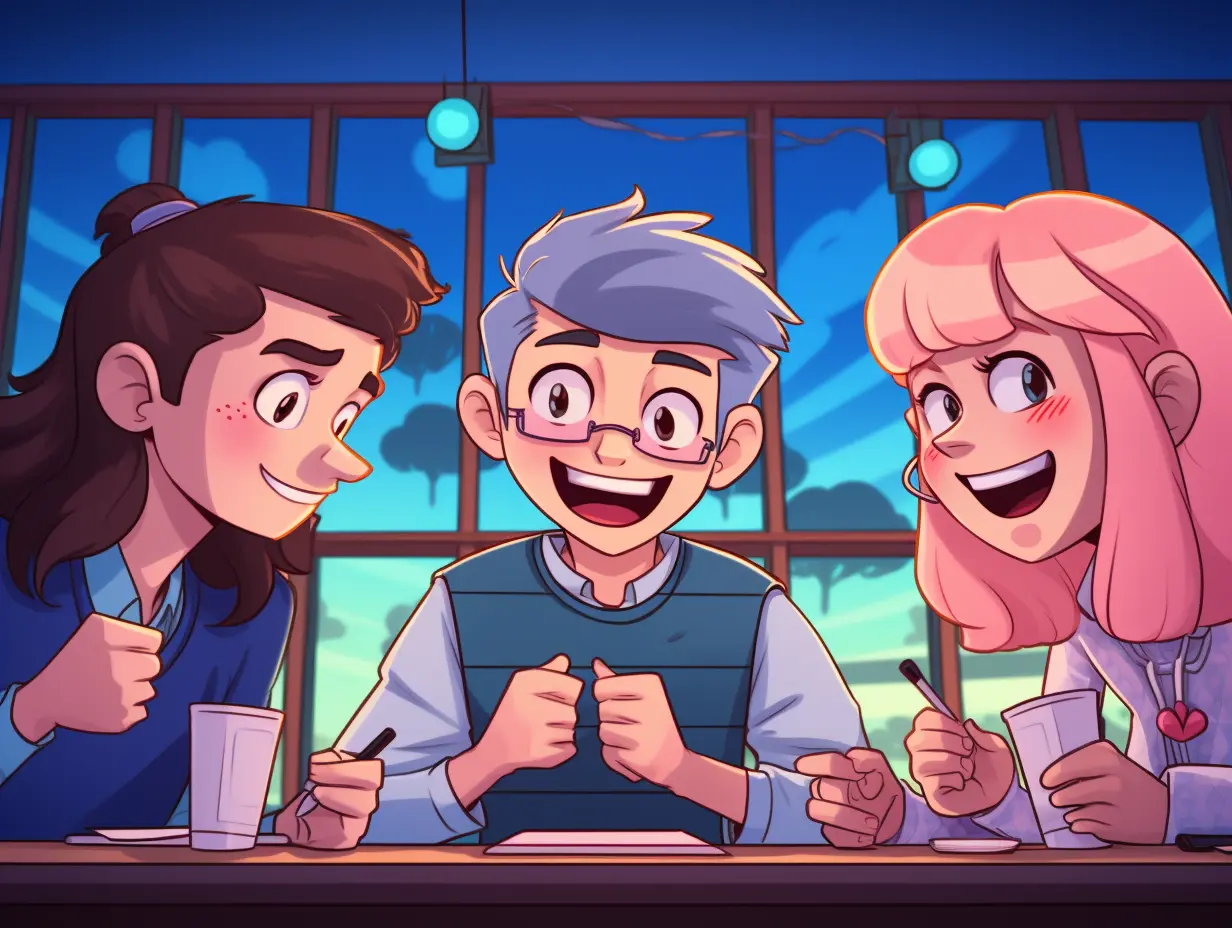
Understanding the Psychology of Trivia Nights and MBTI
Trivia nights are not just brain-teasers; they’re a real test of team dynamics and how effectively diverse personalities can work together. The psychology behind these events is simple but powerful: the more varied your team’s strengths, the better your chances of winning. Studies have shown that a blend of different cognitive and emotional strengths leads to more balanced and effective teamwork.
For instance, imagine having a team where everyone thinks like a Genius (INTP), hyper-focused on logic and abstract thinking. While this is advantageous in categories like science and technology, you might fall short in those requiring emotional intelligence or quick recall of random facts. This is where the MBTI framework comes into play. By understanding the unique traits of each type, you can assemble a team that covers all your bases.
The 4 Best MBTI Types for Trivia Night
When selecting teammates for trivia night, you need a balance of logic, creativity, memory, and social skills. Here’s our top 4 MBTI types that fit the bill:
INTJ - The Mastermind: Strategic Thinkers with a Love for Complexity
INTJs are known for their analytical prowess and strategic mindset, making them invaluable assets in trivia night scenarios. Their ability to dissect complex problems and think several steps ahead allows them to excel in categories that demand a high level of reasoning and understanding. They thrive on challenges and enjoy delving into subjects such as history, science, and philosophy, where their deep knowledge and logical reasoning can shine.
In trivia settings, INTJs often take the lead in formulating strategies for tackling difficult questions. They are meticulous in their preparation, often researching and studying various topics in advance. This dedication not only helps them recall facts quickly but also enables them to connect disparate pieces of information, leading to those "aha" moments that can turn the tide in a trivia competition. Their confidence in their knowledge allows them to make educated guesses when necessary, further enhancing their team's chances of success.
Key strengths of INTJs in trivia night include:
- Strategic problem-solving abilities
- Deep knowledge in analytical subjects
- Strong memory for historical and scientific facts
ENFP - The Crusader: Creative Thinkers Fueling Team Spirit
ENFPs bring a vibrant energy and creative approach to trivia night, making them a fantastic addition to any team. Their enthusiasm for life and passion for learning enable them to think outside the box, often leading to unexpected answers that can surprise both teammates and opponents alike. They excel in categories related to arts, entertainment, and pop culture, where their diverse interests and imaginative thinking can truly shine.
In a trivia setting, ENFPs often serve as the team’s morale boosters. Their ability to connect with others and read the room allows them to uplift the team when spirits are low, injecting a sense of fun and camaraderie into the competition. Their natural curiosity drives them to explore a wide range of topics, making them well-rounded contributors who can provide insights that others might overlook. Additionally, their spontaneous nature can lead to creative brainstorming sessions, generating innovative ideas and strategies for tackling challenging questions.
Key strengths of ENFPs in trivia night include:
- Creative problem-solving and innovative thinking
- Strong social skills that enhance team dynamics
- Broad knowledge base across diverse subjects
INTP - The Genius: Knowledge Seekers with a Passion for Discovery
INTPs are characterized by their intellectual curiosity and a deep appreciation for knowledge, making them the go-to team members for trivia night. Their love for learning drives them to explore a vast array of subjects, particularly in technology, literature, and philosophy. This extensive knowledge base allows them to tackle in-depth questions and obscure facts with confidence and ease.
During trivia competitions, INTPs often take on the role of the researcher, delving into complex topics and uncovering lesser-known information that can be crucial to the team's success. Their analytical skills enable them to break down questions logically, leading to well-reasoned answers. However, they also tend to enjoy discussions and debates, which can foster a collaborative environment where ideas are freely exchanged. This dynamic can lead to creative problem-solving and a deeper understanding of the trivia topics at hand.
Key strengths of INTPs in trivia night include:
- Extensive knowledge in specialized fields
- Strong analytical and logical reasoning skills
- Ability to foster collaborative discussions and idea generation
ESFP - The Performer: Energizing Team Players with Social Savvy
ESFPs are the life of the party, bringing their infectious energy and charisma to trivia night. Their natural ability to engage with others and create a lively atmosphere makes them excellent team players. Known for their quick-thinking and adaptability, ESFPs excel in categories related to pop culture, sports, and current events, where their social awareness and up-to-date knowledge can provide a significant advantage.
In a trivia setting, ESFPs often shine as the team motivators. They have a knack for reading the room and sensing when the team needs a boost, whether through a humorous quip or an encouraging word. Their spontaneity allows them to think on their feet, making rapid connections between questions and answers that others might overlook. Additionally, their love for entertainment and storytelling can bring trivia questions to life, making the experience more enjoyable for everyone involved.
Key strengths of ESFPs in trivia night include:
- Strong social skills that enhance team morale
- Quick recall of pop culture and current event facts
- Ability to energize and motivate teammates during competition
Potential Pitfalls in Selecting Your Trivia Team
Even a well-balanced team can face challenges. Here are some potential pitfalls to watch out for and how to avoid them:
Over-specialization
Having too many specialists can leave gaps in your team's knowledge. Ensure a wide range of expertise to cover more categories.
Over-dominance by a Single Member
Sometimes, a strong personality might overshadow others. Make sure everyone's voice is heard by encouraging balanced participation.
Miscommunication
A lack of clear communication can lead to missed points. Use a strategy where one person is responsible for the final answer submission, after group consensus.
Inflexibility
Rigid thinking can stifle creative solutions. Encourage open-mindedness and the exploration of different viewpoints to foster flexibility.
Burnout
Trivia nights can be stressful. Keep the atmosphere light and fun to prevent team burnout and maintain high energy levels.
Latest Research: Alike People, Alike Interests? by Han et al.
Han et al.'s observational study investigates the correlation between interest similarity and friendship formation in online social networks, revealing that users with similar interests are more likely to become friends. This research underscores the role of shared interests as a crucial factor in the development of social connections, particularly in the context of digital interaction. The study highlights how geographic proximity and demographic characteristics further enhance the likelihood of friendship formation, offering insights into the complex interplay between shared interests and other social factors in the digital age.
The findings from Han et al.'s study have significant implications for understanding how friendships are formed and maintained in online environments. It suggests that while shared interests serve as a common ground for initiating connections, other factors like geographic and demographic similarities also play a key role in strengthening these bonds. This research encourages individuals to leverage online platforms not only to discover and connect with others who share their interests but also to explore the potential of these connections to evolve into meaningful friendships.
Alike people, alike interests? by Han et al. provides a comprehensive look at the dynamics of friendship formation in the digital age, highlighting the importance of shared interests in fostering connections. The study offers valuable insights into the ways in which online social networks can be utilized to expand our social circles and cultivate friendships based on common interests and experiences. It underscores the potential of digital platforms to facilitate the formation of significant and supportive friendships, emphasizing the enduring value of shared interests in the development of social relationships.
FAQs
What if my team consists of people with similar MBTI types?
Diversity is key. If you have a team with similar MBTI types, try to balance it by focusing on different strengths within that type or bringing in someone with complementary traits.
How can I find out my friends’ MBTI types?
There are plenty of free, reliable MBTI tests online. Make a fun get-together by taking the tests, and then use the results to form your trivia team.
Can introverts and extroverts work well together in a trivia team?
Absolutely, the combination can be powerful. Extroverts can lead discussions while introverts think deeply about the answers. Balance is essential.
Should I switch up my trivia team often?
It could be beneficial to keep the team dynamic fresh, but also maintaining a core group that works well together can be advantageous. Try to assess after a few rounds what works best for you.
Is it worth bringing a ‘wild card’ to trivia night?
Having an unpredictable member can add an element of surprise, which may be beneficial. If balanced with methodical thinkers, a wild card can be an asset.
Conclusion: Finding the Right Mix for Trivia Night Magic
Choosing the right MBTI types for your trivia night team can make all the difference. By leveraging the unique strengths of varied personalities like the Mastermind, Crusader, Genius, and Performer, you create a well-rounded group that stands the best chance of taking home the prize. Remember, the goal is to have fun and bring out the best in each other's strengths. So, next time you’re assembling your team, consider the psychological synergy of MBTI types and watch your trivia night become a memorable success.