The 5 MBTI Types Most Likely to Become Puppeteers: Unmasking Magical Personalities
Ever wonder what it takes to bring a puppet to life on stage? For many, the idea of interacting with a live audience through puppetry seems daunting. Puppetry requires unique skills – ones that align closely with certain MBTI personality types. If you’re struggling to find your niche in the world of expressive arts or are curious about the intersection of psychology and puppetry, you’re in the right place. This article dives into the five MBTI types most likely to thrive as puppeteers and explains why these particular personalities are especially suited for this charming craft.
The pressure to find a hobby or career that perfectly matches your personality can be overwhelming. Many people wander through numerous activities, never quite feeling at home, which can lead to frustration and even self-doubt. The emotional stakes are high because finding that one activity that resonates deeply can be a life-changer. We all seek those precious moments when our passions align with our talents, but the journey can be thorny.
Thankfully, understanding your MBTI type can act as a map leading you straight to activities and careers that suit your innate characteristics. In this article, you’ll discover why certain MBTI types are more predisposed to puppetry, and how this delightful art form could be your perfect match. Ready to unmask the magic? Let’s get started!
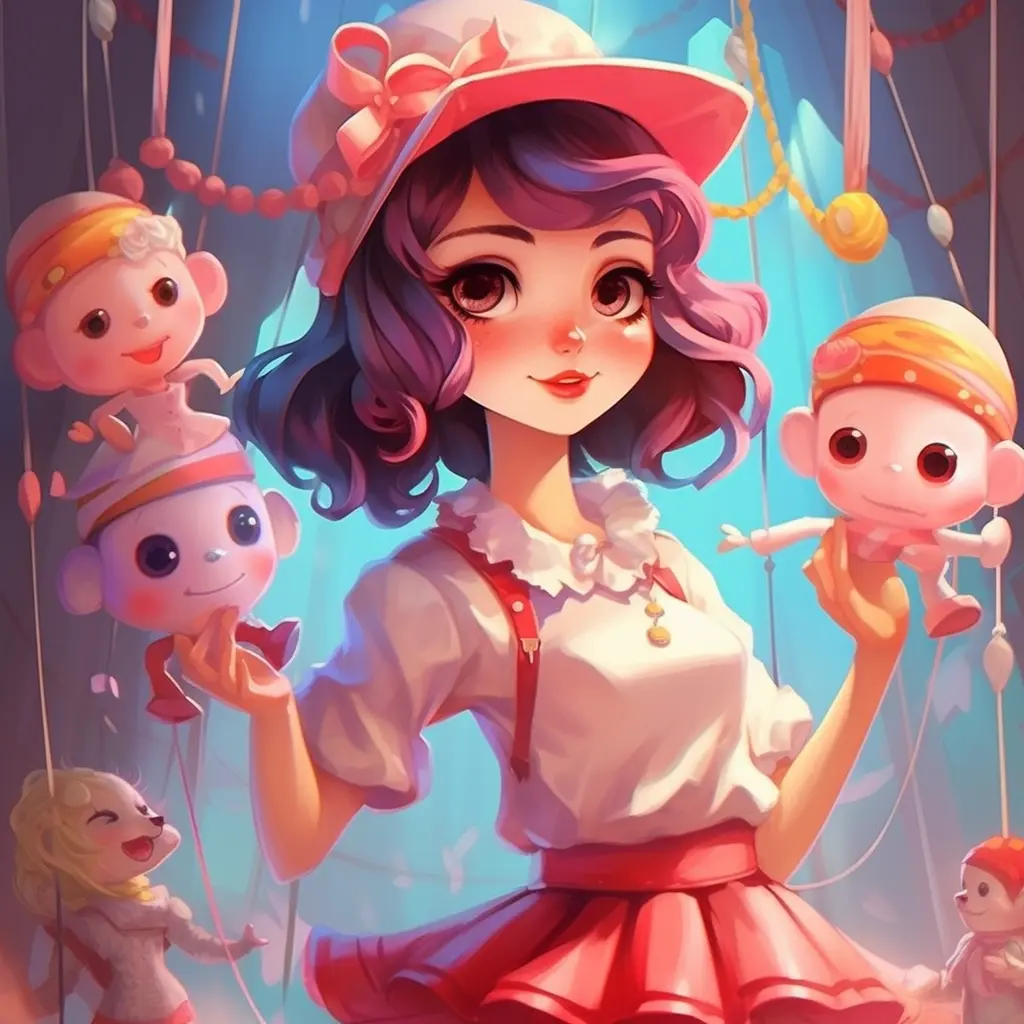
The Psychology Behind Puppetry: Why It Matters
Puppetry is not just about entertaining children; it's a profound means of communication that taps into the depths of human interaction. At its core, puppetry involves storytelling, empathy, and a keen understanding of human behavior – all of which intersect beautifully with psychological principles.
Consider the case of Mr. Rogers, who used puppets as a medium to convey emotions and complex social issues to his young audience. Through puppetry, he could express a multitude of feelings, making it easier for children to understand and relate to them. The puppets acted as a bridge, connecting children’s imaginations with real-world problems, thus making abstract concepts more tangible.
Studies have shown that puppeteers often possess a heightened sense of emotional intelligence, enabling them to read their audience and adjust their performance accordingly. This requires a blend of creativity, observation, and adaptability – traits often aligned with specific MBTI types. Understanding the psychological underpinnings of puppetry can help you appreciate a puppeteer's role and talents and perhaps realize your own potential in this unique art form.
Meet the MBTI Types Most Likely to Embrace Puppetry
Wondering which MBTI types have the ideal set of traits for puppetry? Here, we've outlined the top five types that align best with puppeteering based on their natural inclinations and unique characteristics.
Guardian (INFJ) - The Empathetic Visionary
Guardians, or INFJs, are known for their deep empathy and visionary outlook. This personality type possesses a unique ability to understand and convey complex emotions, which translates beautifully into the art of puppetry. Their innate sensitivity allows them to create characters that resonate with audiences on a profound level, often reflecting the human experience in a way that feels authentic and relatable.
In puppetry, INFJs excel at crafting narratives that delve into the emotional depths of their characters. They often spend considerable time developing intricate backstories and motivations for each puppet, ensuring that their performances are not just entertaining but also meaningful. This dedication to storytelling allows them to engage audiences emotionally, drawing viewers into the world they create.
- Strong empathy enables them to connect with their audience.
- Visionary thinking helps in creating compelling narratives.
- Ability to infuse puppets with genuine emotion enhances performances.
Hero (ENFJ) - The Charismatic Engager
Heroes, or ENFJs, are natural leaders with a flair for engaging others. Their enthusiasm and charisma make them captivating puppeteers who can easily draw in an audience. ENFJs thrive on interaction and are adept at reading the room, allowing them to adjust their performances based on audience reactions, which is crucial in puppetry.
With their exceptional communication skills, ENFJs can bring a wide range of characters to life, infusing each puppet with distinct personalities and emotions. Their ability to connect with people on an emotional level ensures that their performances are not only entertaining but also resonate deeply with viewers. Whether performing for children or adults, ENFJs have a knack for creating an inclusive atmosphere that invites audience participation and enjoyment.
- Natural charisma enhances audience engagement.
- Strong leadership skills enable effective performance direction.
- Emotional intelligence helps in tailoring performances to audience needs.
Peacemaker (INFP) - The Sensitive Artisan
Peacemakers, or INFPs, are known for their artistic sensibilities and idealistic nature. This personality type brings a unique sensitivity to puppetry, allowing them to see beauty in the small details and craft intricate, emotionally resonant stories. INFPs often approach puppetry as a form of self-expression, using their art to explore and communicate their inner thoughts and feelings.
Their imaginative approach to storytelling enables them to create characters that reflect their values and ideals. INFPs often infuse their performances with themes of compassion, understanding, and beauty, which can create a powerful connection with their audience. This ability to weave deep emotional narratives into their puppetry makes their performances not just visual spectacles but also profound experiences for viewers.
- Artistic vision allows for intricate and meaningful puppet designs.
- Idealism inspires storytelling that resonates on a deeper level.
- Sensitivity to emotions enhances the emotional impact of performances.
Artist (ISFP) - The Creative Visionary
Artists, or ISFPs, are spontaneous and creative individuals who thrive in imaginative environments. Their hands-on approach to puppetry allows them to experiment with different styles and techniques, resulting in visually stunning and heartfelt performances. ISFPs are often drawn to the tactile nature of puppetry, enjoying the process of creating and manipulating their characters.
Their aesthetic appreciation plays a significant role in how they present their puppetry. ISFPs have an eye for detail and are skilled at using colors, textures, and movements to evoke emotions and tell stories. This creativity, combined with their spontaneous nature, allows them to adapt their performances on the fly, making each show a unique experience.
- Spontaneity fosters creativity in performance.
- Strong aesthetic sensibility enhances visual storytelling.
- Hands-on approach allows for experimentation with puppetry techniques.
Ambassador (ESFJ) - The Sociable Organizer
Ambassadors, or ESFJs, are sociable and organized individuals who excel in managing both the technical and social aspects of puppetry. Their natural ability to connect with diverse audiences makes them skilled puppeteers who can create engaging and inclusive performances. ESFJs are often the backbone of a puppetry team, ensuring that everything runs smoothly from behind the scenes to the stage.
Their strong interpersonal skills allow them to relate to various audience members, making each performance feel personal and engaging. ESFJs are also adept at multitasking, balancing the demands of performance with the technical aspects of puppetry, such as puppeteering mechanics and stage management. This organizational prowess ensures that their shows are not only entertaining but also well-executed and memorable.
- Strong social skills enhance audience connection.
- Organizational abilities ensure smooth performance logistics.
- Multitasking skills help balance technical and artistic elements of puppetry.
Potential Pitfalls in Puppetry: Be Aware
While the world of puppetry is enchanting, it also comes with its challenges. Understanding these pitfalls can help you navigate them effectively.
Overshadowing the Puppets
Puppeteers might sometimes let their own personalities overshadow the characters they are trying to bring to life. Balancing your presence with that of your puppet is key. To avoid this, focus on becoming one with your puppet, letting it take center stage.
Emotional Burnout
Conveying deep, often intense emotions through puppets can be emotionally taxing. Regular self-care and emotional check-ins can help ward off burnout. Find a support system among fellow puppeteers who understand these unique stresses.
Technical Hurdles
Mastering the mechanics of puppetry can be challenging. Investing time in learning and practicing these technical skills is essential. Start with simpler puppets and gradually work your way to more complex mechanisms.
Audience Engagement
Reading an audience and adjusting performance in real-time is a skill that takes time to develop. Practice performing in front of friends or smaller audiences to hone this skill. Feedback is invaluable, so seek it actively.
Multi-Tasking Challenges
Juggling the various aspects of a puppetry performance can be overwhelming. Create detailed scripts and rehearse thoroughly to ensure smooth operation during live performances. Organization is your ally here.
Latest Research: Honesty as the Bedrock of Adult Friendships
Ilmarinen et al.'s study, exploring the pivotal role of honesty and other personality traits in friendship formation, particularly among military cadets, offers profound insights transferable to adult friendships outside the military context. The research underscores the significance of shared values, especially honesty, in establishing deep and meaningful connections. It posits that honesty not only fosters trust but also serves as a fundamental pillar upon which enduring friendships are built. For adults navigating the complexities of various social environments, this study highlights the critical importance of aligning with individuals who embody honesty and integrity, suggesting that such qualities are essential for the development of genuine and supportive relationships.
The findings encourage adults to prioritize honesty in their interactions, advocating for the selection of friends who reflect their own values and ethical standards. This approach not only enhances the quality of friendships but also contributes to a more authentic and satisfying social life. Ilmarinen et al.'s focus on similarity-attraction in friendship formation enriches our understanding of the dynamics of adult relationships, emphasizing the indispensable role of honesty in fostering connections that are both fulfilling and enduring.
FAQs
Do certain MBTI types struggle more with puppetry?
Yes, certain MBTI types may find puppetry more challenging due to differing inclinations. For instance, more logically oriented types like the Mastermind (INTJ) might struggle with the emotional expressiveness required.
Can an introvert succeed in puppetry?
Absolutely! Many successful puppeteers are introverts. The craft allows introverts to express themselves through their puppets, often providing a comfortable barrier between performer and audience.
How can I find out my MBTI type?
There are numerous free and paid tests available online, as well as professional assessments through certified MBTI practitioners. Finding your type can offer insights into your personality and potential fit for various activities, including puppetry.
What are some beginner’s steps to start puppetry?
Start small by learning basic puppet mechanics and creating simple stories. Join a local puppetry club or online community for support and resources. Practice is key, so perform as often as you can, even if it's just for family and friends.
Is puppetry a viable career?
Yes, for those passionate about the art, puppetry can be a fulfilling career. There are opportunities in entertainment, education, therapy, and more. As with any career in the arts, persistence and networking are crucial.
Reflecting on the Magic of Puppetry: A Conclusion
Puppetry is a unique and magical art form that bridges the gap between imagination and reality, allowing performers to explore a wide range of emotions and ideas. By understanding the psychological traits that make certain MBTI types more suited to puppetry, you can better navigate your own journey into this enchanting world. Puppetry, like life, is about finding balance and harmony; it’s about knowing when to step forward and when to let the puppet shine. So, take a chance, pick up a puppet, and let your personality guide you on this whimsical adventure!