Top 5 MBTI Types To Explore A Haunted House
Everyone loves a spooky adventure, right? Well, not necessarily. A common issue people often face is finding the perfect group to visit a haunted house. You want friends who will enhance the experience, not ones who will chicken out or ruin the fun. It's crucial to have the right mix of personalities to make the most of this ghostly escapade.
Imagine you're all set to embark on a thrilling haunted house tour, only to have half your friends too scared to proceed or the other half being too unserious to appreciate the spine-chilling fun. This common predicament can turn your eagerly anticipated spooky night into a disappointment. The emotional stakes are high, especially if you’re someone who loves the adrenaline rush that comes with a good scare.
But what if we told you there's a way to bring together the perfect group, based purely on their MBTI personality types? In this article, we’ll guide you through the top five MBTI types that are ideal for exploring a haunted house, making your spooky adventure unforgettable. So, ready to pick your haunted house dream team? Let's dive in!
The Psychology Of Haunted House Adventures
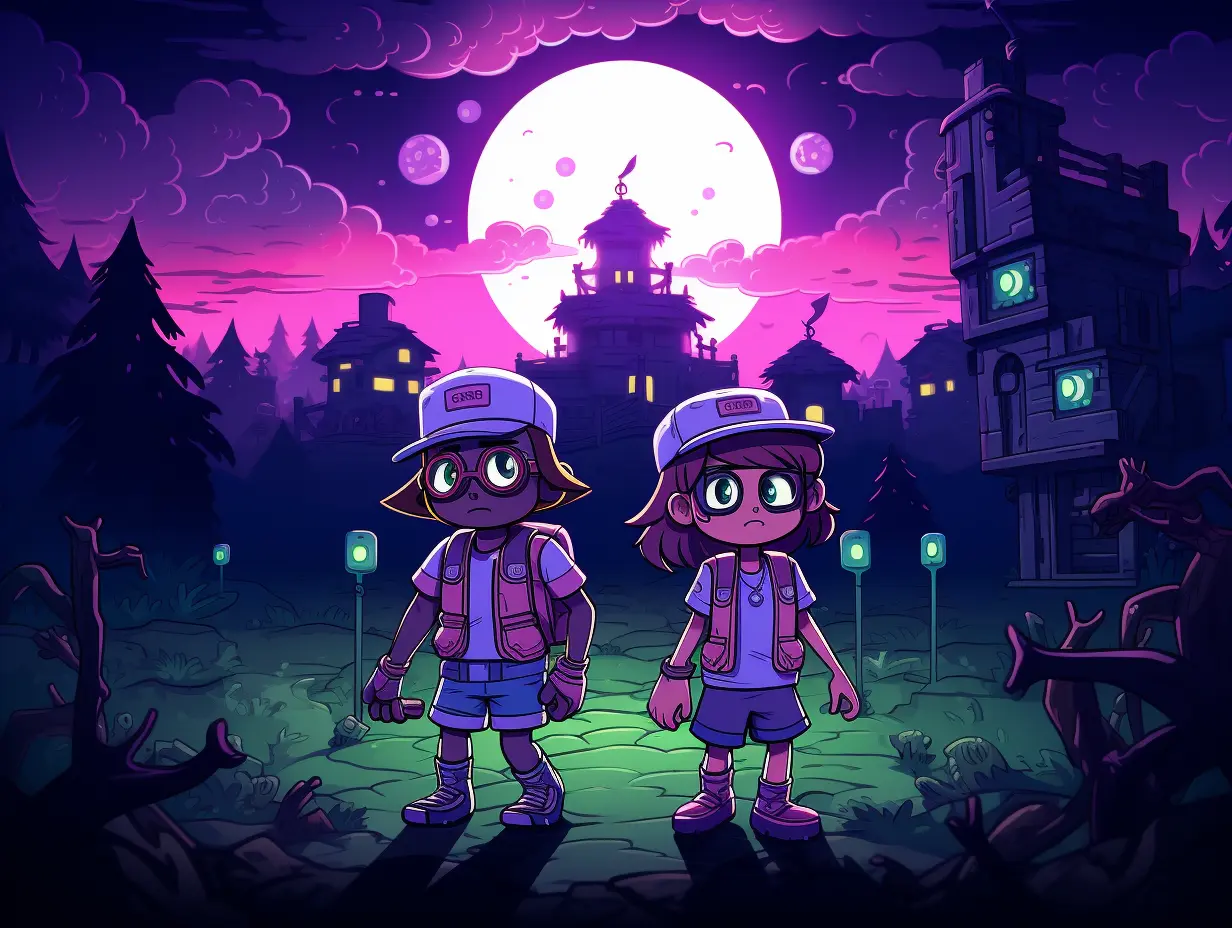
Understanding why certain MBTI types are more suited for haunted house adventures than others lies in the realm of psychology. Haunted houses are designed to trigger emotional and physiological responses like fear, excitement, and even euphoria. These experiences activate different parts of the brain, and how one reacts to these stimuli can vary widely based on their personality traits.
For example, think of someone who thrives on quick decision-making and adventure – such as an ESTP. They're often seen as Rebels who live for the thrill, which aligns perfectly with the haunted house setting that's engineered to surprise and startle. On the other hand, a personality type like the INFJ, known as Guardians, might not seek scares actively but will find deep enjoyment in the narrative or theme behind the haunted house.
Real-world examples can be even more illuminating. Picture a scenario: you're in a dimly lit haunted mansion, eerie sounds echo around every corner. The ESTP friend is leading the charge, laughing, and egging everyone on, while the INFJ writes a mental story about the haunted mansion's tragic past. Together they balance each other out, turning a potentially terrifying outing into an enriching experience.
Best MBTI Types For A Haunted House Visit
When it comes to haunted house adventures, some MBTI types just bring more to the table – or, in this case, the haunted corridors. Here are the top five:
ESTP - The Rebel: Thriving on Thrills and Spontaneity
ESTPs are known for their love of excitement and adventure, making them the perfect companions for a haunted house visit. Their natural inclination to seek out thrills means they won’t shy away from the eerie atmosphere; instead, they embrace it. With their quick thinking and ability to adapt to unexpected situations, ESTPs can easily navigate the twists and turns of a haunted house. Their boldness often inspires others to join in on the fun, fostering a sense of camaraderie among the group.
During a haunted house adventure, ESTPs tend to take the lead, encouraging their friends to explore the scariest corners and confront their fears. They thrive in high-pressure situations, often turning a frightening experience into an exhilarating one. Their playful banter and fearless attitude can lighten the mood, making even the most spine-chilling moments feel manageable. The combination of their spontaneity and enthusiasm ensures that everyone has a memorable time, filled with laughter and adrenaline.
ENTP - The Challenger: Curiosity Meets Courage
ENTPs are characterized by their insatiable curiosity and love for intellectual challenges, which makes them ideal companions in a haunted house. Their analytical minds enjoy dissecting the elements of fear and suspense, turning a seemingly terrifying experience into an opportunity for exploration. ENTPs thrive on the unknown, often engaging in discussions about what might happen next or how certain scares are executed, adding a layer of intrigue to the adventure.
In a haunted house setting, ENTPs often take on the role of the group’s strategist. They might suggest which path to take or propose theories about the haunted history behind the attractions. Their playful debates and witty remarks can keep spirits high, even when the atmosphere is tense. By encouraging others to think critically about their fears, ENTPs can help their friends confront the spooky elements with a sense of humor and curiosity, making the experience both thrilling and intellectually stimulating.
ESFP - The Performer: Bringing Drama to the Dark
ESFPs are the life of the party, and their vibrant personalities shine brightly in the shadowy corridors of a haunted house. With their natural flair for the dramatic, they can transform a frightening experience into an entertaining spectacle. ESFPs thrive on interaction and love to engage others, often leading the way with enthusiastic commentary and spontaneous reactions that heighten the fun for everyone involved.
As they navigate through the haunted house, ESFPs are likely to embrace the scares with open arms, often laughing or gasping in delight. Their ability to draw others into their excitement creates a lively atmosphere, where fear is balanced with joy. They excel at storytelling, and after the visit, they’ll likely recount the experience with animated expressions and exaggerated tales that keep the group reminiscing about their adventure for days to come.
ENFJ - The Hero: Leading with Empathy and Enthusiasm
ENFJs are natural leaders who possess a deep understanding of the emotions of those around them. This makes them exceptional companions in a haunted house, as they are attuned to the feelings of their friends and can provide reassurance when fear sets in. Their enthusiasm for the experience is contagious, helping to elevate the group's overall enjoyment while ensuring that everyone feels included and safe.
During the haunted house visit, ENFJs often take on the role of the group’s emotional anchor. They encourage their friends to share their feelings and fears, fostering a supportive environment where everyone can enjoy the thrills together. Their ability to balance excitement with empathy means that they can lead the group through the spooky experience with a sense of unity, ensuring that every scream is met with laughter and camaraderie. ENFJs leave a lasting impact, making the haunted house adventure not just about scares but also about connection and shared memories.
INTJ - The Mastermind: Analyzing Fear with Precision
INTJs are known for their logical thinking and strategic approach to challenges, making them fascinating companions in a haunted house. Their analytical minds are drawn to the mechanics of fear, allowing them to dissect and understand the elements of the experience. Rather than succumbing to panic, INTJs often find the haunted house intellectually stimulating, examining the setup of scares and the psychology behind fear.
As they navigate through the haunted corridors, INTJs may quietly assess each situation, anticipating potential scares and analyzing the layout of the attraction. This strategic thinking can help them and their friends manage their fears, as they often share insights that demystify the experience. Their calm demeanor and ability to maintain perspective can serve as a grounding force for the group, transforming what might be a terrifying ordeal into an engaging exploration of the unknown. INTJs not only enjoy the thrill but also appreciate the artistry and creativity behind the haunted house, making their experience multifaceted and enriching.
Potential Pitfalls To Consider
While these MBTI types can make for an exhilarating haunted house experience, there are potential pitfalls to keep in mind:
Overstimulation
Haunted houses are designed to overload the senses, which can sometimes be too intense, even for ESTPs and ENTPs. It’s essential to gauge the comfort levels of everyone involved to avoid any unpleasant experiences.
Group Dynamics
Having strong personalities like ENFJs or ESTPs together might lead to conflicts if not managed well. Ensure that there’s a balance and that each personality type complements the others.
Fear Threshold
Everyone has different thresholds for fear. While one person might be keen on moving forward, another might be too scared to continue. It’s crucial to be considerate and reassure your less daring friends.
Physical Strain
Navigating a haunted house can be physically demanding. Ensure that everyone in the group is comfortable with the level of physical activity required. Look out for each other to avoid any injuries or exhaustion.
Maintaining Interest
Sometimes, the more analytical types like INTJs might become disengaged if the haunted house lacks depth in its storytelling. It's important to keep the experience engaging for all personality types.
Latest Research: Introversion and Extroversion in Relationships
According to a YouGov survey, the dynamics of introversion and extroversion play a significant role in romantic relationships. The survey, which included over 13,000 US adults, revealed that one-third of Americans (32%) consider themselves more extroverted, while about half (52%) identify as more introverted. Interestingly, extroverts tend to pair up with other extroverts, as 43% of those who are “completely extroverted” have partners who are also extroverted. This suggests that seeking a match who shares your level of extroversion or introversion can lead to a more harmonious relationship.
In relationships where one partner is “more extroverted than introverted”, the survey found that only 8% have a partner who is “completely extroverted.” About one-third of this group (32%) has a partner with a similar level of extroversion. These findings indicate that while opposites might attract, having a similar level of extroversion or introversion can be beneficial in forming a compatible and understanding partnership.
For those considering the level of extroversion or introversion in their potential partners, the YouGov survey data suggests that finding someone with a similar disposition may lead to greater compatibility. Whether you're an extrovert seeking an equally outgoing partner, or an introvert looking for someone who understands your need for quiet and introspection, considering this aspect of personality can be crucial in finding a fulfilling match.
FAQs
Why do certain MBTI types love haunted houses more than others?
Certain MBTI types, like ESTPs and ENFPs, are naturally drawn to excitement and new experiences, which a haunted house offers in abundance.
Can introverts enjoy a haunted house experience?
Absolutely! While extroverts might be more vocal about their excitement, introverts can find deep enjoyment in the narrative and atmosphere of a haunted house.
How can you ensure everyone has a good time in a haunted house?
Balancing the group dynamics and being considerate of each individual’s comfort levels can significantly enhance the experience for everyone.
What should I do if someone gets too scared in a haunted house?
Have an exit strategy. Most haunted houses have clear paths to exit. Find a staff member to guide you out if needed, and ensure you comfort and reassure your friend.
Are haunted houses safe?
Yes, most professional haunted houses follow strict safety guidelines. However, always check reviews and ratings beforehand to ensure you visit a well-regulated place.
Ready For A Spooky Adventure?
Choosing the right group of friends or partners for a haunted house adventure can make the difference between a fun, spine-tingling experience and a night you'd rather forget. By understanding and leveraging the strengths of various MBTI types, you can ensure that your haunted house visit is thrilling, memorable, and deeply enjoyable for everyone involved. Let's embrace the spookiness and create unforgettable memories together!