3w2 Attachment Style: Building Bonds Through Connection
Attachment styles quietly shape the way we build and maintain relationships, often operating beneath the surface of our awareness. They are not fixed labels but rather patterns influenced by our personality, experiences, and growth. Understanding your type's natural attachment style can be a powerful tool in strengthening your connections with others, helping you feel more secure in love and friendship. For those with a 3w2 personality type, this understanding can illuminate the unique ways you bond with others, offering insights into how you can nurture more fulfilling relationships.
The 3w2, known as "The Charmer," combines the ambition and drive of a Type 3 with the warmth and sociability of a Type 2. This blend creates a dynamic personality that thrives on connection and recognition. By exploring the attachment style of a 3w2, you can gain a deeper understanding of how your need for achievement and desire for closeness influence your relationships. This awareness can guide you in creating more balanced and secure attachments, allowing you to connect with others in a way that feels both authentic and rewarding.
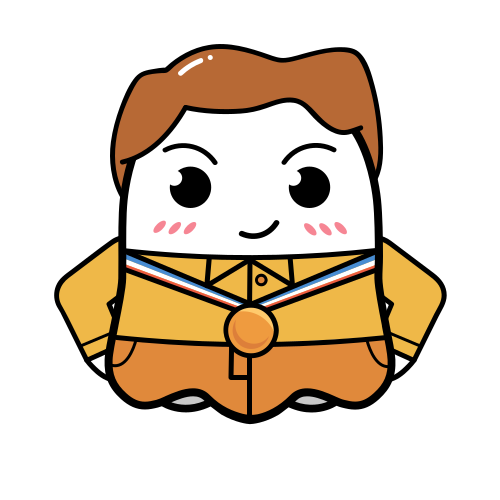
Explore the 3w2 Communication Series
Understanding the 3w2's Attachment Tendencies
The 3w2 personality type typically leans towards an anxious attachment style. This is characterized by a strong desire for closeness and approval, often driven by an underlying fear of rejection or inadequacy. The 3w2's need for validation and success can sometimes lead to a preoccupation with how they are perceived by others, which can manifest in their relationships as a need for constant reassurance and affirmation.
In daily life, a 3w2 might find themselves going above and beyond to please their partner or friends, hoping to earn their love and admiration. For example, they might take on extra responsibilities at work or in social settings to prove their worth, all the while seeking acknowledgment for their efforts. This pattern is shaped by an inner belief that their value is tied to their achievements and the approval of others, which can create a cycle of seeking external validation to feel secure in their relationships.
Recognizing 3w2's Attachment Triggers
Certain behaviors or moments can feel especially activating for the 3w2, often triggering their attachment insecurities or defense mechanisms. Understanding these triggers can help them navigate their relationships with greater awareness and emotional resilience.
-
Criticism: Receiving criticism, even if constructive, can feel like a personal attack to a 3w2. They may interpret it as a sign of failure, leading to feelings of inadequacy and fear of rejection. This can cause them to become defensive or overly apologetic, seeking to quickly mend the perceived rift.
-
Lack of recognition: When their efforts go unnoticed, a 3w2 might feel undervalued and unappreciated. This can trigger anxiety and a sense of invisibility, prompting them to work even harder to gain the acknowledgment they crave. They may start to question their self-worth and wonder if they are truly valued by those around them.
-
Emotional unavailability: If a partner or friend seems distant or emotionally unavailable, a 3w2 may worry that they are losing interest. This fear can lead to clinginess or attempts to win back their attention through grand gestures or increased attentiveness. They might also experience heightened anxiety, fearing that the relationship is at risk.
-
Comparison to others: Being compared unfavorably to others can deeply unsettle a 3w2, as it challenges their self-worth and status. They may respond by striving to outdo the comparison, often at the expense of their own well-being. This can lead to burnout and a constant feeling of inadequacy, as they try to measure up to perceived standards.
-
Ambiguity in relationships: Unclear relationship boundaries or mixed signals can create anxiety for a 3w2, who thrives on certainty and affirmation. They may seek constant reassurance to clarify their standing and secure their connection. This need for clarity can sometimes lead to overanalyzing interactions and seeking validation from others.
-
Rejection or exclusion: Experiencing rejection or being left out can be particularly painful for a 3w2, reinforcing fears of inadequacy. This can lead to withdrawal or overcompensation in an attempt to regain acceptance. They may also experience a deep sense of loneliness and question their place in social circles.
-
Failure to meet expectations: When they fail to meet their own or others' expectations, a 3w2 may feel like they have let everyone down. This can trigger a cycle of self-criticism and a renewed drive to prove themselves. They might also experience feelings of shame and disappointment, questioning their abilities and worth.
-
Loss of control: Situations where they feel powerless or out of control can heighten a 3w2's anxiety, as they fear losing their carefully curated image. They may react by trying to regain control through meticulous planning or increased effort. This can lead to stress and a sense of being overwhelmed, as they strive to maintain their image.
How 3w2s Express Attachment Needs
The 3w2 personality type signals their need for closeness, reassurance, or space in various ways, often blending verbal, emotional, and behavioral cues. Recognizing these expressions can help them communicate their needs more effectively and foster deeper connections.
-
Seeking validation: A 3w2 might frequently ask for feedback or compliments, hoping to hear that they are valued and appreciated. This can be seen in their tendency to fish for praise or subtly highlight their achievements in conversation. They may also seek out situations where they can showcase their skills and receive positive reinforcement.
-
Acts of service: They often express their need for closeness through acts of service, going out of their way to help others. This behavior is a way of showing love and seeking reciprocation, hoping that their efforts will be recognized and returned. They may also feel a sense of fulfillment and purpose when they are able to assist others.
-
Over-communicating: When feeling insecure, a 3w2 may over-communicate, sending multiple messages or checking in frequently. This is a way of seeking reassurance and maintaining a sense of connection, even if it can sometimes feel overwhelming to others. They may also use communication as a tool to gauge the emotional temperature of their relationships.
-
People-pleasing: They might agree to things they don't want to do or suppress their own needs to keep others happy. This behavior stems from a fear of conflict and a desire to be liked, often at the expense of their own well-being. They may also struggle with setting boundaries, fearing that doing so will lead to rejection.
-
Emotional displays: A 3w2 may express their attachment needs through emotional displays, such as heightened enthusiasm or visible distress. These expressions are often a call for attention and support, signaling their need for reassurance and connection. They may also use emotional expressions as a way to communicate their needs when words fail.
Growth and Integration for 3w2s
Healing attachment wounds and developing security is a hopeful possibility for the 3w2. By focusing on self-awareness and intentional growth, they can move toward more secure relational patterns.
-
Cultivate self-compassion: Learning to be kind to themselves can help a 3w2 break the cycle of seeking external validation. By practicing self-compassion, they can begin to appreciate their worth independent of their achievements or others' opinions. This can lead to a more stable sense of self and reduce the need for constant approval.
-
Set healthy boundaries: Establishing clear boundaries can help a 3w2 maintain balance in their relationships. By learning to say no and prioritize their own needs, they can create more sustainable and fulfilling connections. This can also lead to a greater sense of autonomy and self-respect.
-
Embrace vulnerability: Allowing themselves to be vulnerable can deepen their relationships and foster trust. By sharing their true feelings and fears, a 3w2 can create more authentic connections and reduce the pressure to maintain a perfect image. This can also lead to a greater sense of intimacy and understanding in their relationships.
-
Focus on intrinsic goals: Shifting their focus from external achievements to intrinsic goals can help a 3w2 find fulfillment beyond recognition. By pursuing passions and values that resonate with them, they can build a sense of self-worth that is not reliant on others' approval. This can lead to a more meaningful and satisfying life.
-
Practice mindfulness: Mindfulness can help a 3w2 stay present and reduce anxiety about the future. By cultivating awareness of their thoughts and emotions, they can respond to triggers with greater calm and clarity, fostering more secure attachments. This can also lead to a greater sense of peace and well-being.
FAQs
How can a 3w2 improve their relationships?
A 3w2 can improve their relationships by focusing on authenticity and vulnerability. By sharing their true selves and being open about their needs, they can create deeper connections. Additionally, practicing self-compassion and setting healthy boundaries can help them maintain balance and prevent burnout.
What are common challenges for a 3w2 in relationships?
Common challenges for a 3w2 include a tendency to seek validation and fear of rejection. These can lead to people-pleasing behaviors and anxiety about their standing in relationships. Recognizing these patterns and working on self-awareness can help them navigate these challenges more effectively.
How does a 3w2 handle conflict in relationships?
A 3w2 may struggle with conflict, often fearing it will lead to rejection or loss of approval. They might avoid confrontation or try to quickly resolve issues to maintain harmony. Learning to approach conflict with openness and a willingness to listen can help them address issues constructively.
Can a 3w2 develop a secure attachment style?
Yes, a 3w2 can develop a secure attachment style through self-awareness and intentional growth. By working on self-compassion, setting boundaries, and embracing vulnerability, they can build more secure and fulfilling relationships.
What role does self-worth play in a 3w2's attachment style?
Self-worth plays a significant role in a 3w2's attachment style, as their need for validation often stems from a desire to feel valued. By cultivating self-compassion and focusing on intrinsic goals, they can build a sense of self-worth that is not reliant on external approval.
Conclusion
Understanding the 3w2 attachment style offers valuable insights into how this type bonds with others, highlighting both the strengths and challenges they face in relationships. By recognizing their patterns and working towards growth, a 3w2 can transform their attachment style, creating healthier and more secure connections. Remember, attachment is not a fixed label but a dynamic pattern that can change with self-awareness and care. Embrace the journey of growth, and empower yourself to build the fulfilling relationships you deserve.
FA'AFEILOA'I MA TAGATA FOU
50,000,000+ DOWNLOADS
Iunivese
Uiga
Fa'afeiloa'i ma Tagata Fou
50,000,000+ DOWNLOADS