Etymology Community
The etymology community, chat, and discussion.
424 SOULS
ALL
etymology
13 posts424 souls
Meet New People
50,000,000+
DOWNLOADS
The etymology community, chat, and discussion.
424 SOULS
ALL
etymology
Meet New People
50,000,000+
DOWNLOADS
Orotund adjective 1. (Of the voice or phrasing) full, round, and imposing. 2. (Of writing, style, or expression) pompous or pretentious. "The alto soloist’s orotund voice filled the concert hall." "The tuba provides quite an orotund sound to any orchestra." "His letter to the editor came… read more
'-ion' is a suffix derived from Latin, meaning, roughly: 'the process of'. 'pass' is a core derived from Latin, meaning: 'navigating over, under, around or through an obstacle'. 'com-' is a prefix derived from Latin, meaning: 'with eachother'. 'pass-ion' is a word derived from Latin,… (edited) read more
Circumlocution [sir-kəm-lo-KYOO-shən] Part of speech: noun Origin: Latin, 16th century 1. The use of many words where fewer would do, especially in a deliberate attempt to be vague or evasive. Examples of Circumlocution in a sentence "The drawn-out speech was not only boring, but also pure… read more
Name etymology is quite the intrigue.
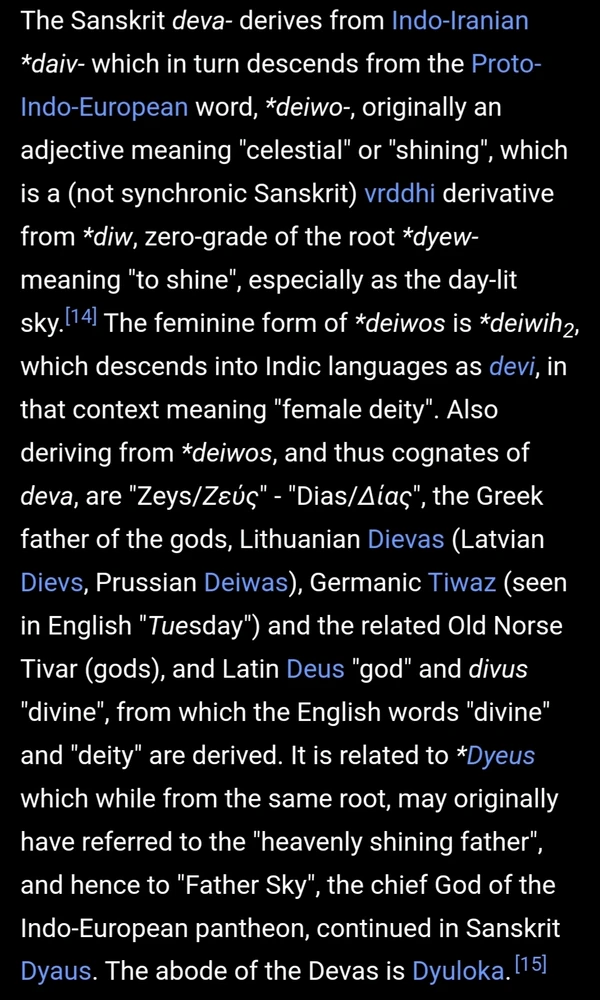
A thrall is a slave and we are enthralled by the object of our love. Held captive by how captivating they seem. And this ought to inspire terror as terrible as being a slave to our emotions seems. Yet instead we say it is terrific in a positive way. I find this amazing (sugoi in Japanese). 凄い The… read more
Related Posts
This represents my Inner child I preserved and hid from the world but not myself, Guiding me the Tiny Warrior Through the illusory soul school and testing ground we can life or the human experience. I tried to create the Hermetic " As above so below, as within so without" while hinting at multiple… (edited) read more

Snerdle (verb): To wrap up cosily beneath the covers and hold off the day for a little longer. Pronunciation: [snur-dl] Etymology: 18th-century Yorkshire dialect, documented in Joseph Wright's English Dialect Dictionary. Snerdle is a powerful word because it laughs directly in the face of… read more
Tatterdemalion (noun): A person dressed in ragged or disreputable clothing; an untidy or disheveled individual. Pronunciation: [TAT-er-dih-MAY-lee-uhn] Etymology: The word emerged around the early 1600s, combining "tatter" (from Old Norse for rags) with a suffix that might come from the French… read more
Githerments (noun): A miscellaneous collection; odds and ends; a jumble of things. Pronunciation: [gither-ments] Etymology: An old dialect word from Yorkshire, England, used for varied collections. The patron saint of clutter, githerments is like a junk drawer that went to study abroad and… read more
Bafflegab (noun): Confusing or generally unintelligible jargon. Pronunciation: [baf-uh-l-gab] Etymology: It combines "baffle" (to confuse) and "gab" (talk) and was coined in the 1950s by author Milton A. Smith. Bafflegab is the primary language of the corporate retreat. It’s where a simple… read more
Shilly-shally (verb): To show hesitation or lack of decisiveness or resolution. To dawdle. Pronunciation: [shil·ly-shal·ly] Etymology: It's a fanciful reduplication, like dilly-dally or wishy-washy, based on the repeated question "Shall I?". The expression began as a verbal phrase, "to stand… read more
"I keep getting etymology and entomology confused. Words cannot describe how much this bugs me."
Ullage (noun): The amount by which a container falls short of being full. Pronunciation: [uhl-ij] Etymology: Late Middle English: from Anglo-Norman French ulliage, from Old French euillier ‘fill up’, based on Latin oculus ‘eye’ (with reference to a container's bunghole). The word ullage… read more
I had a feeling. And I couldn't quite place what that feeling was. Do I feel love? No... Do I like watching? Not that. What is it about it??? Well, it turns out I was thinking way too hard: I was experiencing the feeling that arrives when you finally notice something. The feeling that… read more
Pencillate (verb): To express oneself in provisional strokes, to speak as though one’s words may later be rubbed vigorously into oblivion. In other words, speaking with a metaphorical pencil. Pronunciation: [pin-si-late] Etymology: I made it up 5 minutes ago. Here are some red flags that… read more
Apéritif (noun): An alcoholic beverage taken before a meal to whet the appetite. Pronunciation: [uh-per-ih-TEEF] Etymology: The word originates from the Latin verb aperire, meaning "to open". It evolved into the Medieval Latin aperitivus and then the French apéritif. The English word "aperitif"… read more
Chortle (noun): A laugh or chuckle expressing pleasure or amusement. Pronunciation: [chor-tl] Etymology: Coined by Lewis Carroll in Through the Looking Glass ; probably a blend of chuckle and snort. Chortles often escape at the worst possible moments: quiet meetings, libraries, funerals in… read more
Nudnik (noun): An informal term for an annoying, boring, or pestering person who constantly complains, nags, or takes up time. Pronunciation: [nood-nik] Etymology: Derived from Yiddish, rooted in the Polish word nuda ("boredom"), featuring the -nik suffix meaning "one characterized by". Nudnik… read more
Froonce (verb): To go about in a busy or bustling way, or to move in an energetic or noisy manner. Pronunciation: (froon-ts) Etymology: Associated with Yorkshire dialect. It sounds like someone put the words, frolic, pounce, and bounce in a blender, and then set it on high until the motor… read more
Prig (noun): A person who behaves in a self-righteous, arrogant, or irritatingly precise manner regarding propriety, morality, or social conventions. They are often viewed as fussy, uptight, and pedantic, frequently lecturing others on proper behavior. Pronunciation: [prig] Etymology: The term… read more
Hendecagon (noun): A two-dimensional polygon with 11 sides, 11 angles, and 44 diagonals. Pronunciation: [hen-DEK-uh-gon] Etymology: Derived from the Ancient Greek (hendeka), meaning "eleven," which itself is a compound of hen (one) and deka (ten). I think you'll agree this shape is a show off.… read more
Struthonian (noun): An uncommon term for a person who ignores unpleasant facts or reality. Much like the mythical ostrich burying its head in the sand. Pronunciation: [stroo-THOH-nee-an] Etymology: Invented by writer Arthur Koestler in 1963. Derived from struthio (Latin for ostrich) and Greek… read more
In absence of external meaning, we read books not to understand others but to find meaning in ourselves. We don't immediately try to understand why the author wrote this or why we hate the character or why we love them. We don't care about the reason of the characters times that influenced this… read more
Gewgaw (noun): A showy, cheap trinket, bauble, or useless ornament. Pronunciation: [goo-gaw] Etymology: Of Middle English origin, first appearing around 1175–1225, with origins in earlier, possibly Germanic or French, terms that signify toys or showy items. I love a word that sounds exactly… read more
Februate (verb): To purify, cleanse, or rejuvenate, especially in a ritual or ceremonial context. Pronunciation: [feb-roo-ayt] Etymology: The term is rooted in Roman purification rituals, specifically Februa or Februalia held in mid-February, intended to cleanse or appease spirits. The term is… read more
The Kabasaran dance originates from the Minahasa region of North Sulawesi. An Introduction to the Kabasaran Dance. Dance Type: A traditional martial dance of a warrior nature. Etymology: Derived from the word *Kawasaran*, meaning to mimic the movements of a fighting rooster (*wasal*). Costume:… read more
Flizzoms (noun): An informal, often dialectal term for the residue or crumbs found at the bottom of a cup after dipping too many biscuits. Pronunciation: [FLIZ-uhmz] Etymology: From the 19th-century provincial (East Anglian) dialect. Flizzoms begin as crumbs and end as a paste of regret, the… read more
De gustibus non est disputandum: Latin for "In matters of taste, there can be no disputes". The phrase is related in American English to a similar but slightly more derogatory phrase: "There is no accounting for taste." Meaning: Personal preferences (tastes, colors, art, etc.) are subjective and… read more
Resistentialism (noun): A humorous concept or mock-philosophy describing the perceived malevolent or spiteful behavior of inanimate objects. It’s like the idea that a printer has a personal vendetta against someone when it jams up when they’re trying to print the quarterly financials…….two minutes… read more
Psykter (noun): An open-topped jar used for cooling wine, widening to a bulbous central bowl, which tapers to a tall narrow base. Pronunciation: [SIK-tur] Etymology: Borrowed from Greek (cooler, cooler of wine). From Greek “psychein” (to blow, to cool). Pyskter sounds like the name of a… read more
I got curious after I looked up the etymology of the word Eve. It's also weird that women are the ones that birthed everybody but yet were lied to about who was here first.
I tend to a) misread social cues b) make the wrong “jokes” (hurtful accidentally) c) social anxiety d) lack confidence e) don’t trust myself I’m a classic super introvert that masks as a (at times) confident and capable extrovert while internally overthinking and panicking everything (I love… read more
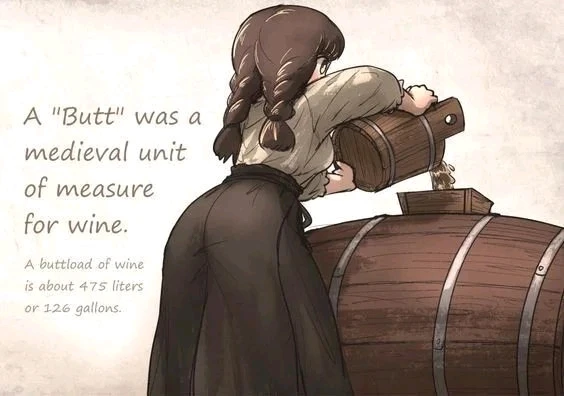
The term "psychology" originates from two ancient Greek words: "psychē" (ψυχή) and "logos" (λόγος). While "logos" refers to "discourse" or "study," the meaning of "psychē" evolved significantly through Greek philosophy [Implied from sources describing the evolution of psyché]. Initially, psychē… read more
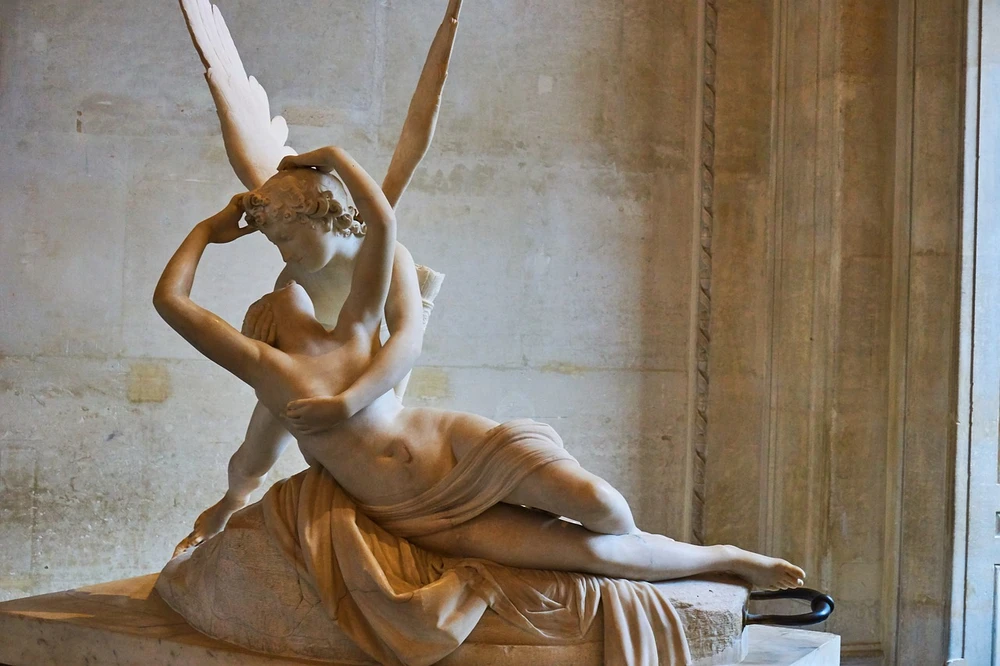
In most Indo-European cultures the thunder god (sometimes also the sky god) is associated with the Oak tree. It’s interesting because in Celtic society the Druids, the priestly class, who spend much of their lives in the sacred groves acquiring knowledge and skills important to the society derive… read more
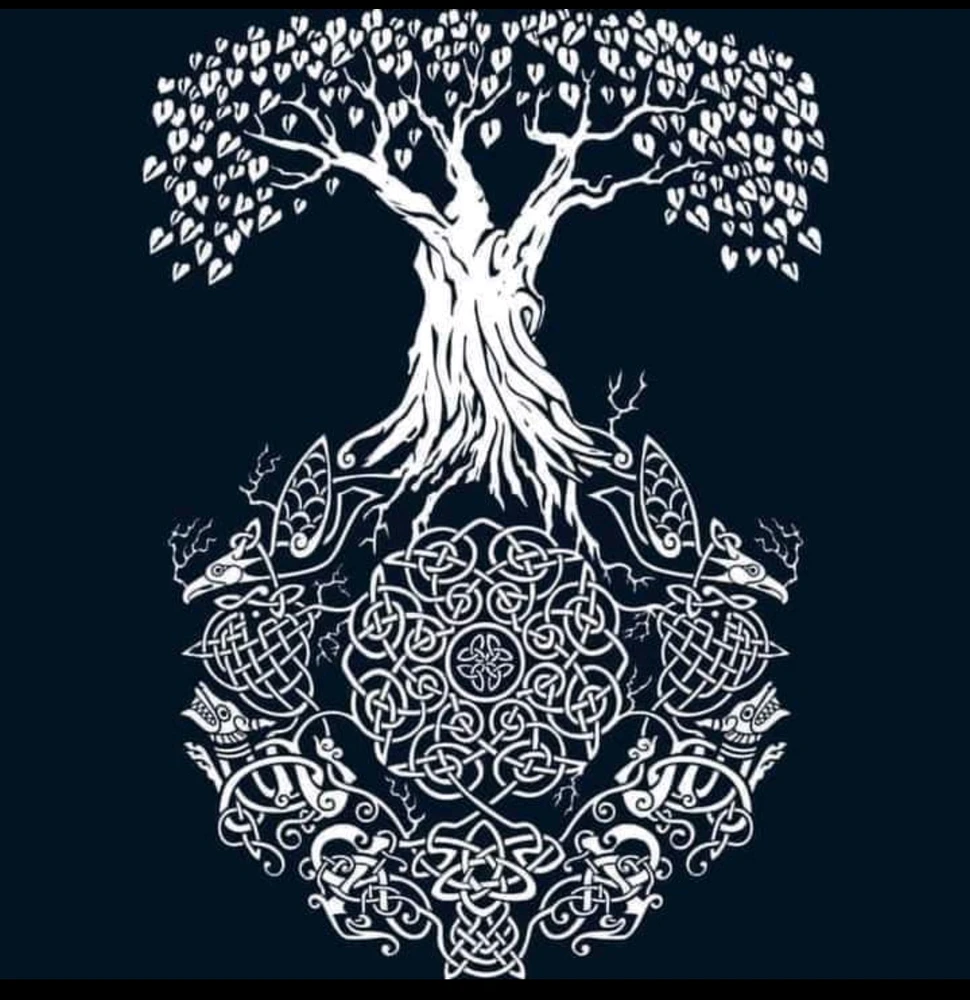
I've spent the last two years exploring and self educating into all things the general public would deem "useless". And stopped focusing on companionship as being an emotional crutch. Just because of my general intrigue into "why are things like _____" or " Why do I feel ____" I've found that most… (edited) read more

The Crossroads on which psychology lies is sadly the intersection where science, philosophy, and psuedoscience meets. Psychology is much slower to adapt to new information than more legitimate fields of study one could declare to be a science, and far too often new information is straight up… read more
but abhor unconscious etymology confabulation; all the worse when intentional sophistry. Fair play is fair play--just don't torture language.
I'm sick, Oh I'm stuck. I need to find love, The love that heals me. But I want to break in an embrace, See the colours sparkling in your face. As fireworks light up the sky, I want to set my eyes alight. I'm sick, Sick of stories, Of love that never cures me. I want to feel, what you feel.… read more
so i'm now in the last year of uni and we have the choice to study the history of the english language! im a sucker for etymology lol.. is there anything i should be prepared for? english isn't my first language
Do you ever had phase where you try to decode religious symbolism by analyze its words meaning (etymology) and cultural meaning?