2.4M souls
424K souls
121 souls
31K souls
28K souls
15K souls
13K souls
6.9K souls
6.2K souls
2.6K souls
2.2K souls
701 souls
577 souls
369 souls
340 souls
339 souls
259 souls
256 souls
251 souls
225 souls
216 souls
148 souls
146 souls
143 souls
142 souls
118 souls
105 souls
97 souls
96 souls
95 souls
82 souls
77 souls
73 souls
66 souls
66 souls
62 souls
62 souls
60 souls
58 souls
56 souls
50 souls
49 souls
48 souls
46 souls
45 souls
44 souls
44 souls
43 souls
39 souls
35 souls
34 souls
31 souls
30 souls
30 souls
29 souls
27 souls
26 souls
22 souls
22 souls
21 souls
20 souls
20 souls
18 souls
17 souls
16 souls
15 souls
15 souls
14 souls
14 souls
14 souls
14 souls
14 souls
12 souls
12 souls
12 souls
11 souls
11 souls
11 souls
10 souls
10 souls
10 souls
10 souls
10 souls
9 souls
9 souls
9 souls
8 souls
8 souls
8 souls
8 souls
7 souls
6 souls
5 souls
5 souls
5 souls
4 souls
4 souls
4 souls
3 souls
3 souls
3 souls
3 souls
3 souls
3 souls
3 souls
3 souls
3 souls
3 souls
3 souls
3 souls
2 souls
2 souls
2 souls
1 souls
1 souls
1 souls
1 souls
1 souls
1 souls
1 souls
1 souls
1 souls
0 souls
Posted Wednesday, April 2, 2025
8mo
INTP
Aries
A Different Perspective of Understanding vs. Innerstanding:
Do you really know the difference between Understanding vs. Innerstanding: A Counterintuitive Approach Immediately addressing a very important and complex aspect of the "innerstanding" vs. "understanding" distinction. Philosophical Context: Philosophically, the concepts of "innerstanding" and "understanding" can be viewed through the lens of individual autonomy versus social conformity. This involves exploring the tension between: * Liberation vs. Subjugation: "Innerstanding" can be associated with liberation from external constraints, allowing for free exploration of personal truths, while "understanding" might be seen as more aligned with conforming to established social norms. * Autonomy vs. Constraint: "Innerstanding" emphasizes individual autonomy and self-directed exploration, whereas "understanding" might reflect a greater degree of constraint by societal expectations. * Inclusion vs. Exclusion: The tension between adhering to one's "innerstanding" and conforming to social norms can lead to feelings of either inclusion or exclusion. Essentially, the distinction boils down to the balance between individual authenticity and social acceptance. Furthermore, a strong adherence to one's "innerstanding" can create friction with those who seek to influence or control beliefs. This is because "innerstanding" often represents a deeply personal and internally validated form of knowing, making it resistant to external manipulation. Exploring the Nuances of Knowing: Now, let's delve into the subtle yet profound differences between "understanding" and "innerstanding," Starting with the less familiar term and its historical context. 1. Innerstanding: The Felt Sense of Knowing * "Innerstanding" suggests a deeper, intuitive, and experiential form of knowing. It transcends mere intellectual comprehension, tapping into emotional, spiritual, or embodied awareness. * It implies a connection to one's inner self, intuition, and a holistic perspective. * It's characterized by a "felt" knowing, rather than purely rational thought. * It often aligns with deeply personal truths and resonates with an individual's core. * It's closely associated with heightened self-awareness. A Distinction from Understanding: * "Understanding" emphasizes cognitive grasp, while "innerstanding" prioritizes intuitive, felt knowing. * "Understanding" relies on external information and logical reasoning; "innerstanding" arises from introspection, meditation, or personal experience. "Innerstanding" often carries a sense of certainty that defies logical explanation. This connection to intuition is central to its meaning. To help grasp this concept, consider these perspectives: Option 1 (Emphasizing the Non-Logical Certainty): * "Innerstanding" often carries a profound sense of certainty, a knowing that transcends logical explanation and aligns with intuitive insight. Option 2 (Directly Linking to Intuition): * "Innerstanding" is characterized by a certainty derived from intuition, a form of knowing that often defies logical analysis. Option 3 (Highlighting the "Felt" Aspect): * "Innerstanding" brings a felt sense of certainty, an intuitive knowing that exists beyond the realm of logical reasoning. Option 4 (Concise and Powerful): * "Innerstanding" delivers a certainty rooted in intuition, often beyond logic's grasp. Human Consciousness: "Innerstanding" aligns with concepts of higher consciousness or altered states, fostering a deeper connection to self and the universe. * It's linked to intuition, the ability to know without conscious reasoning. Conceptual and Perceptual Meaning: * Conceptually, it involves grasping abstract notions like love or interconnectedness on a profound, personal level. * Perceptually, it involves a heightened connection to sensory input, such as feeling the "energy" of a place or intuitively understanding another's emotions. 2. Understanding: The Cognitive Grasp * Understood (Past Participle of "Understand"): * Represents a passive state of having grasped or comprehended something. It signifies the result of a cognitive process. Example: "The complex problem was finally understood." * Understanding (Present Participle/Noun): * As a present participle, it describes the ongoing process of comprehending. * As a noun, it refers to the capacity to understand, a mental grasp. It can also signify a mutual agreement. Cognitive Process Conceptualization: Forming mental representations of ideas. * Analysis: Breaking down information into components. * Synthesis: Combining information into a coherent whole. * Interpretation: Assigning meaning based on prior knowledge and context. * Reasoning: Drawing logical conclusions. Grasping the Depths of Understanding: “A Tidal” Metaphor To better gauge the different levels of understanding, consider this analogy: Shallow Understanding (Low Tide): “limited” * Represents basic, superficial surface level knowledge. * Lacking depth and nuance. * Only perceiving the surface level of information. Deep Understanding (Higher Tides): “Vastness” * Encompasses greater depth and volume of knowledge. * Involves grasping underlying principles, connections, and effects. * Enables exploration of complexities and hidden dimensions. * Represents a comprehensive understanding of the movement and interplay of conditions, revealing deeper insights beneath the surface. Tacit Understanding: * Knowledge held without explicit articulation. * "Knowing without knowing" in a conscious, verbal sense. * Understanding that exists beyond spoken language. Perceptual Meaning: * "Insight in mind" derived from sensory input. * The brain's ability to process and interpret sensory data, assigning meaning to it. 3. Disappearance from Common Use: "Innerstanding" has never been a widely accepted or standardized term in formal English. Areas where Innerstanding has primarily existed: * Spiritual and New Age circles: Where it is used to describe a deeper, intuitive form of knowing. * Certain subcultures and philosophical discussions: Where it is used to emphasize the importance of subjective experience. * Innerstanding is used in some forms of alternative medicine, and philosophy. Reasons for Limited Use: The term "innerstanding" remains outside mainstream vocabulary due to several factors: * Lack of Formal Definition and Standardization: Its meaning extends beyond easily measurable or tangible concepts, making it difficult to define within a strictly empirical framework. * Subjective and Mystical Connotations: Its association with personal experience and intuitive knowing often clashes with mainstream emphasis on objective, verifiable knowledge. The term can be associated with "psychic realms" or other ideas that are not widely accepted in a strictly scientific context. * Dominance of Rational and Objective Approaches: Mainstream culture generally prioritizes logical reasoning and empirical evidence, leaving less room for subjective, intuitive forms of knowing. A word is often replaced or simply discarded. 4. Additional Content and Examples: * Example from Spiritual Context: "After years of meditation, she didn't just understand the concept of interconnectedness; she innerstood it on a profound level." Example from Personal Experience: * "He didn't need someone to explain the grief; he innerstood it through his own experience." Connection to Intuition: * Innerstanding can be seen as a form of heightened intuition, where the mind processes information beyond conscious awareness. Connection to Embodied Cognition: * Embodied cognition suggests that cognition is deeply intertwined with bodily experience. Innerstanding can be seen as a form of knowing that arises from this embodied connection. Back to the start of revealing those distinctions between "innerstanding" vs. "understanding". Philosophical Context: Philosophically, the concepts of "innerstanding" and "understanding" can be viewed through the lens of individual autonomy versus social conformity. This involves exploring the tension between: * Liberation vs. Subjugation: "Innerstanding" can be associated with liberation from external constraints, allowing for free exploration of personal truths, while "understanding" might be seen as more aligned with conforming to established social norms. * Autonomy vs. Constraint: "innerstanding" emphasizes individual autonomy and self-directed exploration, whereas "understanding" might reflect a greater degree of constraint by societal expectations. * Inclusion vs. Exclusion: The tension between adhering to one's "innerstanding" and conforming to social norms can lead to feelings of either inclusion or exclusion. Essentially, the distinction boils down to the balance between individual authenticity and social acceptance. Furthermore, a strong adherence to one's "innerstanding" can create friction with those who seek to influence or control beliefs. This is because "innerstanding" often represents a deeply personal and internally validated form of knowing, making it resistant to external manipulation. * Some philosophical traditions, particularly those emphasizing subjective experience and phenomenology, might resonate with the concept of innerstanding. In essence, while "understanding" emphasizes cognitive grasp, "innerstanding" suggests a deeper, more intuitive, and often experiential form of knowing. While not a standard term, it highlights the importance of subjective experience and the limitations of purely rational approaches to knowledge.
1
0
Deepthinking Community
The deepthinking community, chat, and discussion.
121 SOULS
No comments yet!
Meet New People
50,000,000+
DOWNLOADS
Related Posts
5d
INTP
Scorpio
✨🙂↕️

3
0
28d
INTP
Aries
Get Creative & Let The Mind Just Play Around With Ideas... 💡 We often treat complex problems like a wall
—something to be slammed into until it breaks. But what if the greatest tool for breakthrough isn't brute force, but P.L.A.Y.? The world's greatest minds understood the power of stepping away. When Albert Einstein was wrestling with the theory of relativity, he didn't just stare at equations; he... read more

1
0
8mo
INTP
Aries
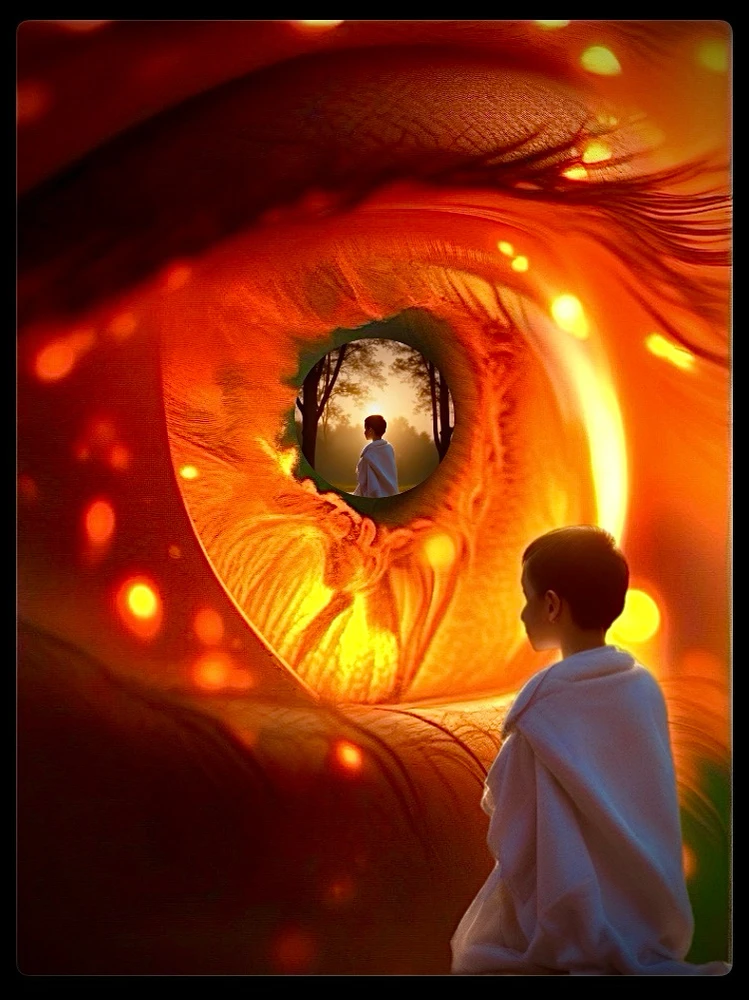
Mind's Genesis: The Architect of Reality, Forged by of Imagination
Imagine Tapping Into: your mind's creative potential. There is nothing more empowering than believing in ourselves. Access the fullest extent of the limitless potential energy within, and unlock any restraints holding us back. Imagine Breaking Free: no longer tethered by limited thinking, being... read more
3
0
10mo
INFP
Virgo
What is your whole reason for existing–your “why”?
Add –your “why's”? (edited)
1
10
1mo
INTP
Aries
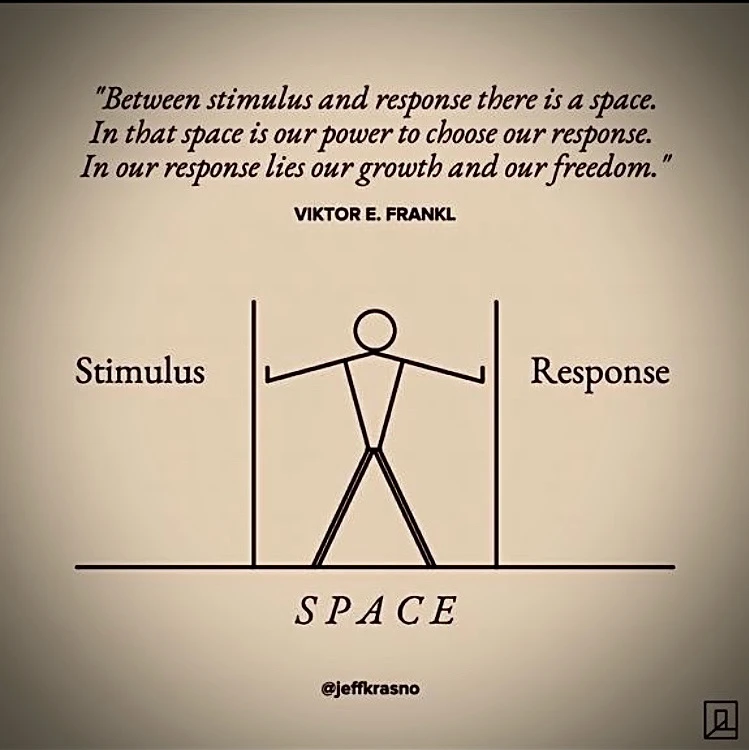
The Essence of Reflective Thinking:
Writing A New Chapter of Selfawarnes and potential, finding your true way ahead, while navigating the chaotic and confusing world around you.. that often triggers you to believing that reacting, is the only option available when events are Creating Overwhelming Events and Ocurances.. 1. Where... read more
2
0
3mo
INTP
Aries
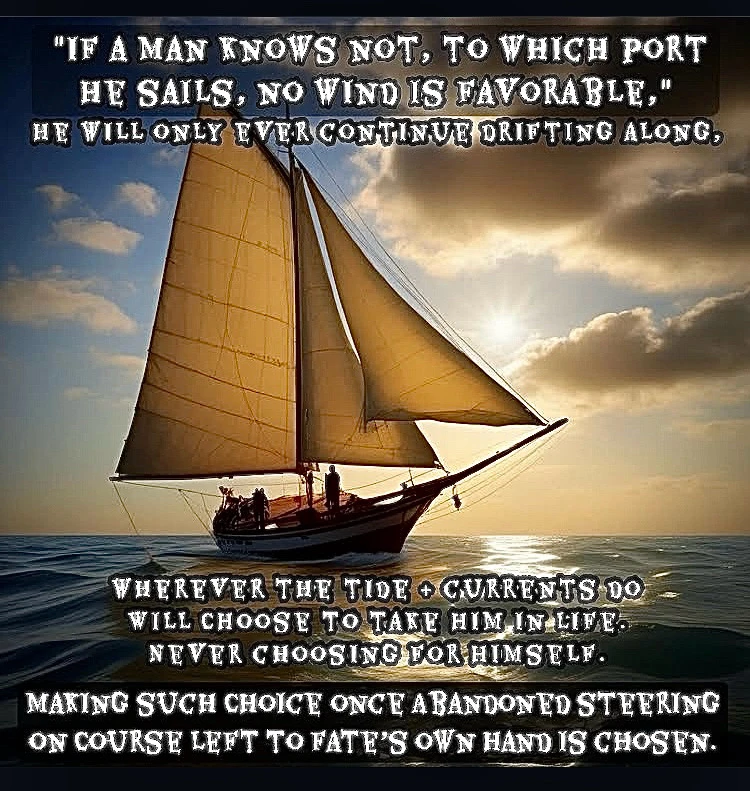
Reflecting On The Past Version Of Ourselves:
Deep Thoughts: Given enough time, we change the way we used to perceive our own perspectives! Change is inevitable, overtime each one of us must evolve, adapt and change the direction we originally headed towards, (Nothing Is Permanent) most of all our identity and perspective will mature and... read more
2
1
1mo
INTP
Aries
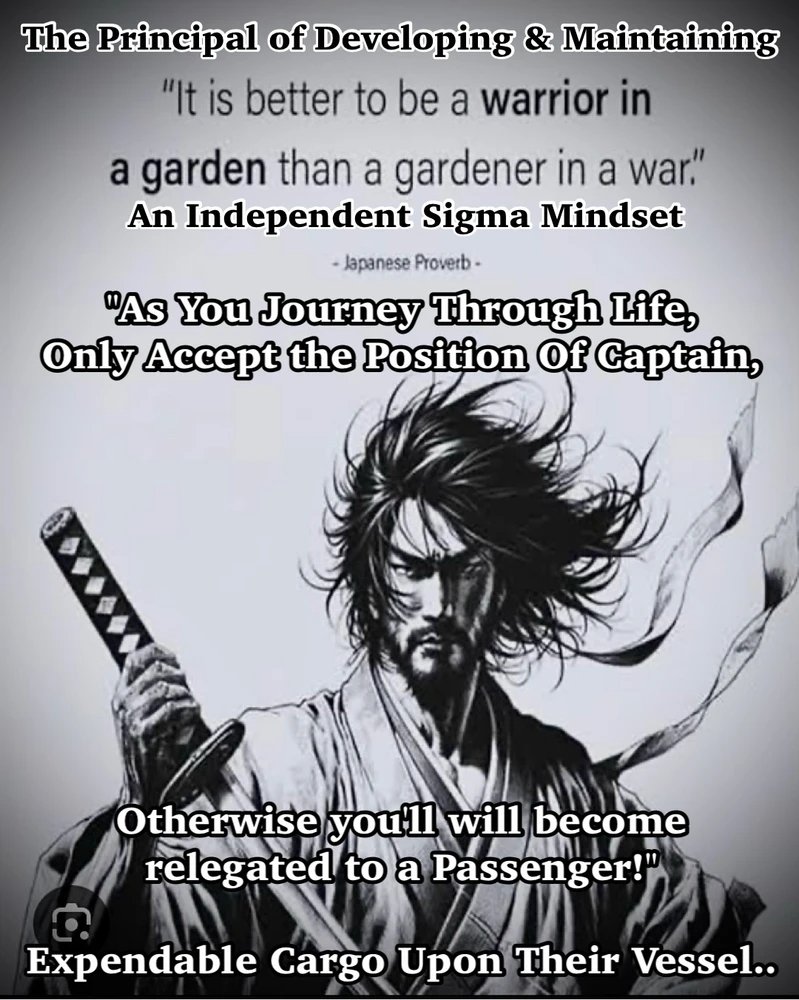
As You Journey Through Life, Only Accept only the Position Of Ship's Captain
"As You Journey Through Life, Only Accept the Position Of Captain, Otherwise you'll will become relegated to a Passenger!" Given minimal space "Becoming Cargo" or a Resource Available upon Someone Elses Voyage, allway ariiving at places that have been decided for you without your consent...... read more
1
0
11mo
INTJ
Aquarius
Alone But Not Lonely
As long as me and I and myself the others are fourth person. I have often deep conversations with myself.
0
0
1mo
INTP
Aries
Captain you're own Vessel, and Navigating Lifes Journey
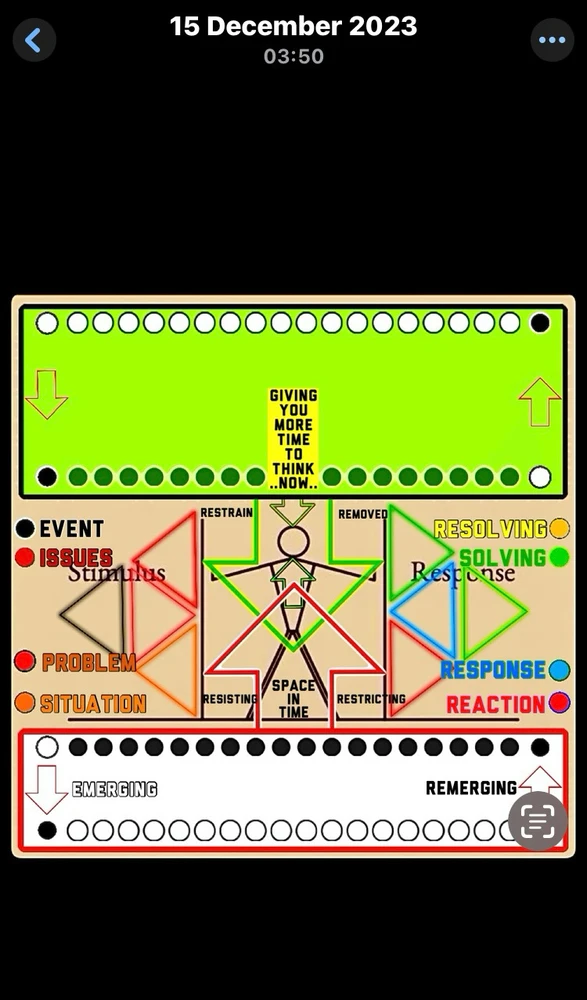
Taking Command, and Developing the "Sigma Mjndset" Becoming The Captain Of Yourself.. That is a powerful and perfect connection. this image has brought our theoretical discussion on the Essence of Reflective Thinking to life with the exact diagram and quote that anchors the entire concept. The... read more
0
0
3mo
INTP
Aries
Navigating the Oceans of Life: sailing the fluid dynamics
Deep Thoughts I've been pondering the old saying, "No man is an island." While I believe the phrase was originally intended to convey that communities and friendship networks are essential support systems—like miniature ecosystems that thrive through mutual exchange—I want to challenge the idea of... read more

0
0
1mo
INTP
Aries
Facing The Storm, whenever the conditions are unpredictable
Sometimes when the weather conditions become unpredictable, knowing how suddenly the environment can change without warning ⚠️ "On moment things can seem almost bright & cool, and you head out to face the world!" But Nothing Lasts forever, especially when so many things are unsettled, if not... read more

0
0
1y
ISFP
Gemini
Spider live matter

3
3
2y
ISTJ
Libra
🤔🤔🤔
If you punch yourself in the face and it hurts, are you weak or strong?
1
2
1y
INTJ
Aquarius
Kinda bums me out
When I am feeling most myself and in the moment, if I become aware of it, it pulls me out of that good feeling. How am I supposed to appreciate being in the moment when the act of appreciating it takes me out of it?! (edited)
3
1
1y
ISFP
Gemini
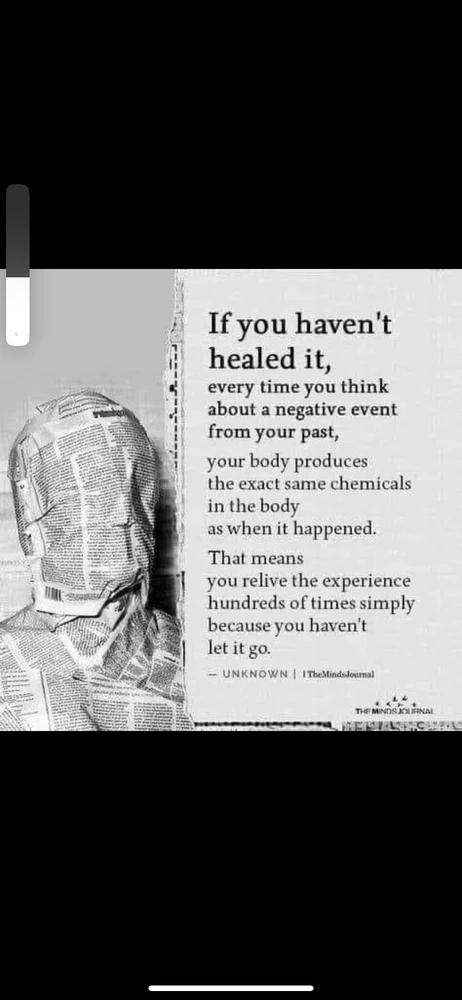
Let it go
2
3
1y
INTJ
Aquarius
Being happy
Doesn't actually stop the desire to not exist. So there's that.
2
1
2y
INTP
Aries
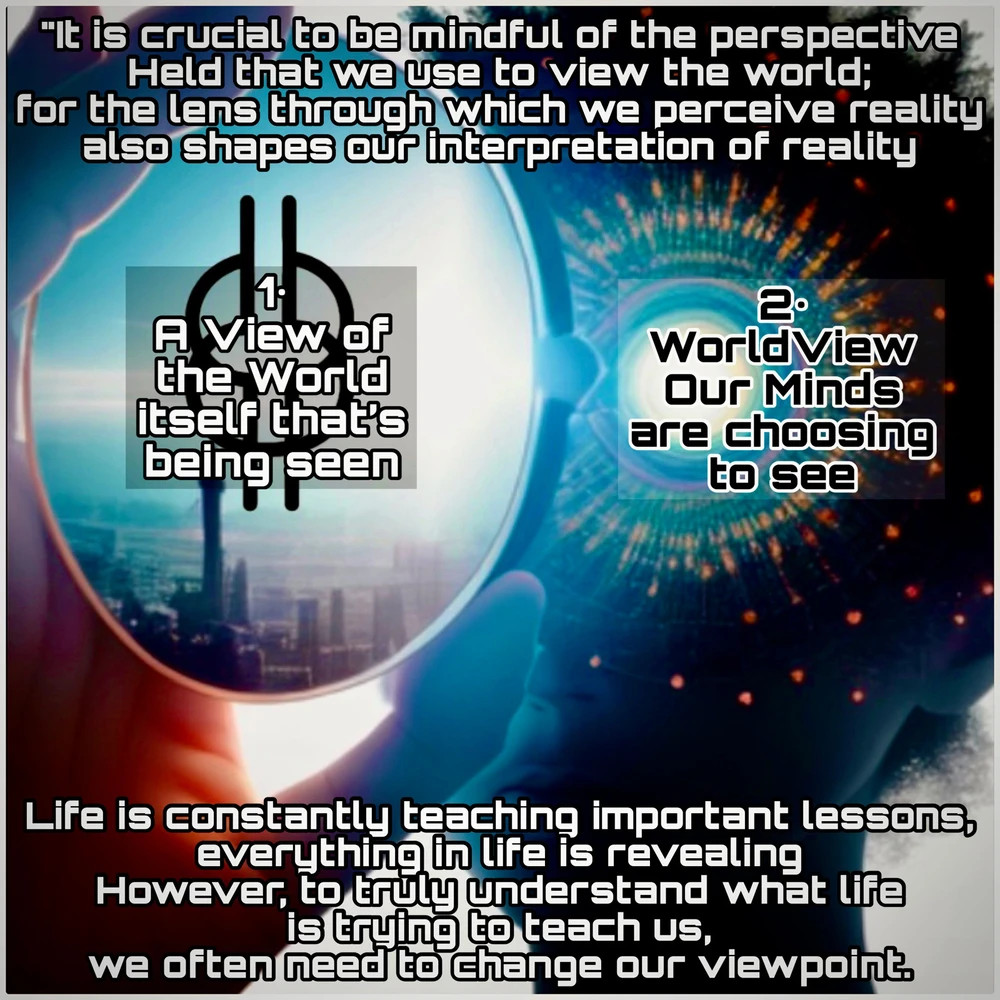
We must look at the lens
"It is crucial to be mindful of the perspective we use to view the world; for the lens through which we perceive shapes both our interpretation of the world and the world itself." By Ford Davies
2
1
3y
INFP
Libra
What would u choose??
What would u choose if u were a thief? A slippery hands with steady feets OR a steady hands with slippery feets??
1
1
1y
INTP
Aries
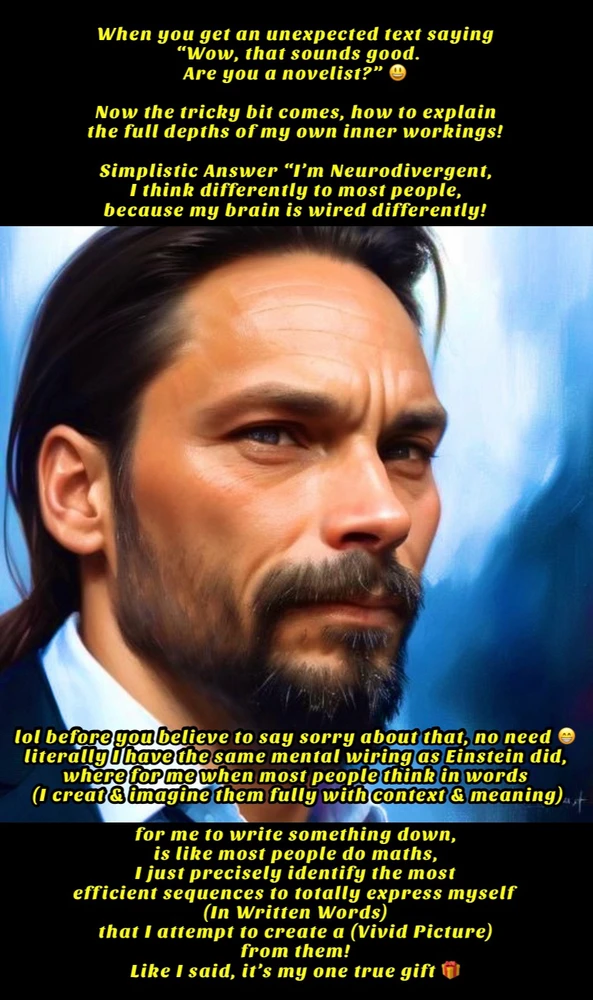
Neurodivergent Thinking: with Hyperfocus & Hyperactivity running everything at once
When you get an unexpected text saying “Wow, that sounds good. Are you a novelist?” 😃 Now the tricky bit comes, how to explain the full depths of my own inner workings! Simplistic Answer “I’m Neurodivergent, I think differently to most people, because my brain is wired differently! lol before... read more
1
1
1y
ISTJ
Aries
Being alone yet having everything I've wanted, worth the while? Hmmm sure is for the moment, time will tell.
1
0
2y
INTP
Aries
Ascending The Seven Levels of Consciousness Before The peak
Embarking on the Great Voyage across a Sea of Thoughts "Fools rush in where angels fear to tread." Driven by an insatiable curiosity, I count myself among the select few who dare to lift the lid of Pandora's box. My mind is drawn to the mysteries that others avoid or overlook, although I often... read more

0
1