The Ultimate Game Night Hosts: 5 Best MBTI Types Revealed
Have you ever found yourself struggling to organize a fun and engaging game night, where everyone leaves with a smile on their face? You are not alone. Many people face the challenge of creating a social environment that’s enjoyable for all attendees. You may even have attended game nights that fell flat, leading to awkward silences and disengaged participants.
Imagine putting in all the effort to bake snacks, set up games, and invite friends, only to see the energy in the room plummet. The pressure to ensure everyone has a great time can be overwhelming, especially if the night ends in disappointment. Fortunately, there's a psychological shortcut that can save the day: understanding MBTI personality types.
In this article, we will explore the five best MBTI types for hosting a game night. Our insights will help you identify which personality types excel in setting the mood, engaging participants, and ensuring that fun is had by all. So, let’s dive in and discover how to make your next game night an unforgettable hit!
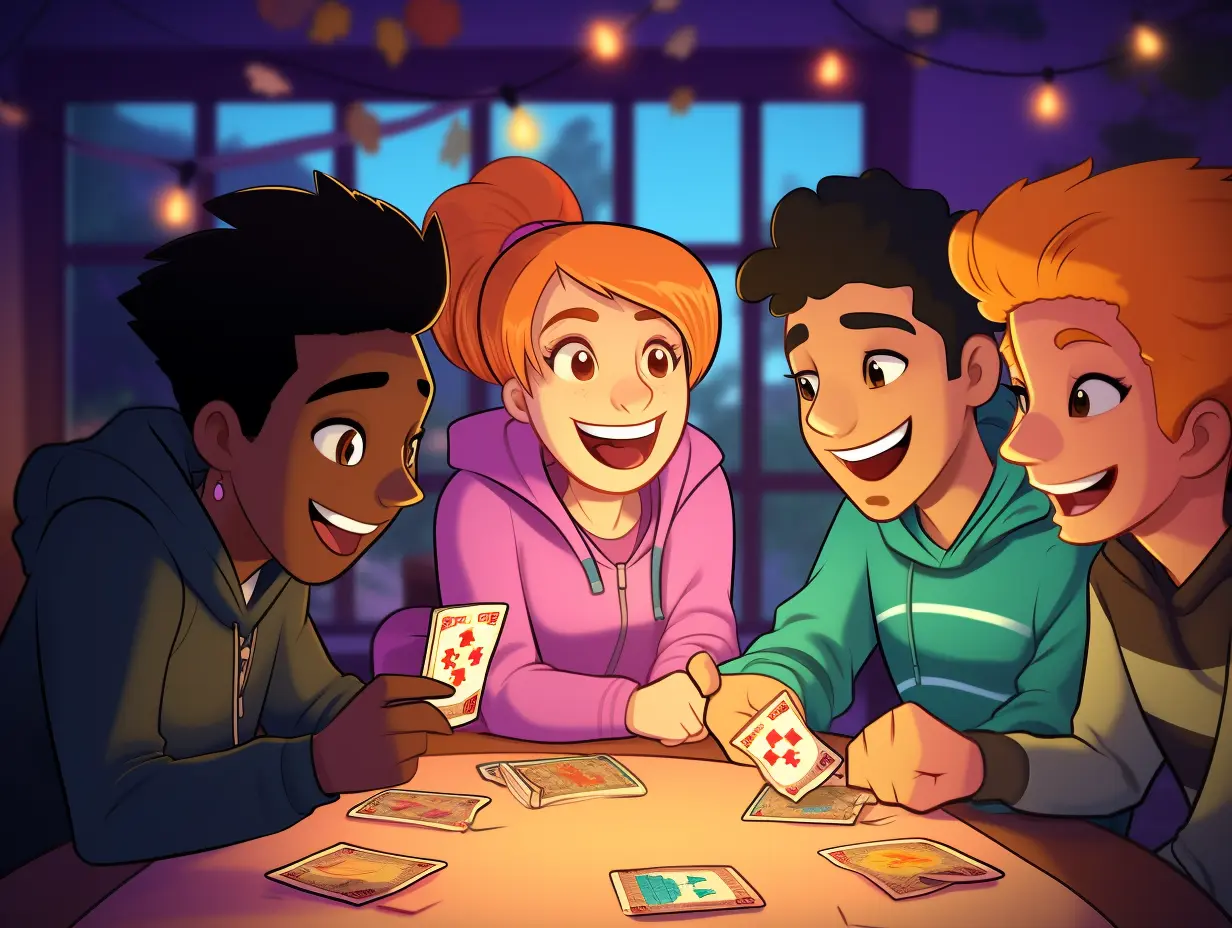
The Psychology Of Game Nights: Why MBTI Types Matter
Hosting a game night isn’t just about having a collection of board games or a set of Xbox controllers. It’s about creating an atmosphere where participants feel comfortable, engaged, and entertained. The secret? Psychology. Understanding personality types, specifically those defined by the Myers-Briggs Type Indicator (MBTI), can be a game-changer.
Take the ENFJ type, known as the Hero. They naturally thrive in social settings, making everyone feel included and valued. On the flip side, an ISTJ type, or the Realist, can ensure that all logistical details are meticulously planned, reducing the chances of mishaps. By harnessing the strengths of different MBTI types, you align people’s natural tendencies with tasks that make your game night not just functional but unforgettable.
Consider a real-world example: Jen, an ESFP (Performer), loves to entertain and can turn even the most mundane game into an exciting event. She intuitively reads the room and adjusts her approach, ensuring everyone is having fun. Contrast that with Tom, an INTJ (Mastermind), who excels at strategizing game rules and planning ahead to avoid potential pitfalls, contributing to a smoother overall experience.
The Top 5 MBTI Types For Hosting A Game Night
Organizing a game night can be easier and more enjoyable when you know the ideal personality types to involve. Here are the top 5 MBTI types that excel at hosting game nights:
ENFJ - Hero: The Charismatic Organizer
ENFJs are natural leaders, known for their strong social skills and ability to connect with others. When hosting a game night, they excel at creating an inclusive environment where everyone feels valued and engaged. Their warm and charismatic nature allows them to draw people in, making them feel comfortable and excited about participating. ENFJs are skilled at reading the room, adjusting the atmosphere, and ensuring that everyone is having a great time.
In addition to their social skills, ENFJs are excellent planners. They can organize the logistics of the game night, from selecting games that suit the group’s interests to arranging snacks and seating. Their attention to detail ensures that no aspect is overlooked, and they are quick to adapt if something doesn’t go as planned. ENFJs also have a knack for encouraging teamwork and collaboration, making them ideal hosts for cooperative games or activities that require group participation.
ESFP - Performer: The Life of the Party
ESFPs are the ultimate entertainers, thriving in social settings where they can showcase their vibrant personalities. Their enthusiasm and energy are infectious, making them perfect for hosting game nights that are lively and full of excitement. ESFPs have a unique ability to transform even the simplest games into thrilling experiences, often incorporating creative twists or spontaneous challenges that keep everyone on their toes.
Their love for fun and adventure means that ESFPs are always on the lookout for new games to introduce, ensuring that the night remains fresh and engaging. They are also adept at reading the mood of the group, adjusting the pace of the evening to maintain high energy levels. With their natural ability to connect with others, ESFPs create an atmosphere where everyone feels encouraged to participate and enjoy themselves, making the game night a memorable event.
INTJ - Mastermind: The Strategic Planner
INTJs are known for their analytical minds and strategic thinking. When hosting a game night, they excel at planning and organizing every detail to ensure a smooth and enjoyable experience. Their ability to foresee potential issues allows them to anticipate challenges and create comprehensive rules that everyone can follow, making gameplay seamless and enjoyable.
In addition to their planning skills, INTJs are adept at selecting games that require strategic thinking and problem-solving. They often introduce complex games that challenge participants and stimulate engaging discussions. Their preference for structure means that they can effectively manage the flow of the evening, keeping everyone focused while allowing for moments of fun and relaxation. INTJs also appreciate feedback and will often adjust their approach based on the preferences of their guests, ensuring everyone has a great time.
ESFJ - Ambassador: The Warm Host
ESFJs are known for their warmth and nurturing nature, making them exceptional hosts for game nights. Their focus on creating a welcoming environment ensures that everyone feels comfortable and included. ESFJs pay close attention to the needs of their guests, from dietary preferences to seating arrangements, ensuring that every detail contributes to a positive experience.
Their organizational skills shine through as they coordinate not only the games but also the social interactions among guests. ESFJs are great at facilitating conversations and encouraging connections, making them ideal for games that require teamwork or collaboration. Their ability to create a sense of community ensures that everyone leaves the game night feeling valued and appreciated, fostering lasting friendships among participants.
ENTP - Challenger: The Innovative Game Master
ENTPs are known for their energetic and innovative nature, making them the perfect hosts for game nights filled with excitement and creativity. They thrive on introducing unique games and challenges that stimulate competitive spirits and keep everyone engaged. ENTPs enjoy pushing boundaries and often come up with inventive twists that make familiar games feel fresh and new.
Their love for debate and discussion means that ENTPs can create an atmosphere where strategic thinking and playful banter flourish. They are skilled at encouraging friendly competition, ensuring that everyone is invested in the games while maintaining a light-hearted atmosphere. With their quick wit and adaptability, ENTPs can navigate any situation that arises during the night, making them dynamic hosts who can keep the energy flowing and the excitement alive.
Potential Pitfalls When Hosting A Game Night
While knowing the ideal MBTI types can significantly enhance your game night, it's also crucial to be aware of potential pitfalls that could derail the evening. Here are some common mistakes and how to avoid them:
Inadequate Planning
An unorganized game night can quickly fall apart, leading to frustrated participants. Detailed planning and preparation are essential to ensure everything goes smoothly. From selecting and understanding the games to setting up the game area, thorough preparation is key.
Ignoring Individual Preferences
Not everyone enjoys the same types of games. Ignoring individual preferences can deter participation and enthusiasm. A blend of games that cater to different tastes can maintain high engagement levels.
Overcomplicating The Rules
Complicated game rules can leave participants confused and disinterested. Make sure to explain the rules clearly and concisely, and choose games that are easy to understand and play.
Limited Participation
Some game nights may suffer from limited participation, where only a few people are actively engaged while others remain passive. Choosing inclusive games and encouraging shy attendees can help involve everyone.
Poor Time Management
Mismanaging time can either rush the game night or extend it unnecessarily, causing participants to lose interest. Allocate specific times for different activities and stick to the schedule to keep the flow consistent.
Latest Research: Shared Interests and the Formation of Digital Friendships
Han et al.'s study into the dynamics of friendship formation in online social networks sheds light on the role of shared interests in bringing people together in digital spaces. This research highlights how users with similar interests are more likely to form friendships, especially when they share demographic characteristics or are geographically close. For adults, this study underscores the potential of online platforms to serve as valuable tools for expanding social circles and finding communities where shared passions can lead to meaningful friendships.
The findings suggest that digital environments offer unique opportunities for adults to connect with others who share their interests, regardless of physical distance. This research encourages individuals to actively engage with online communities and platforms as a means of cultivating friendships that might not be possible in their immediate physical surroundings, highlighting the importance of shared interests in forming and deepening connections.
Investigating Alike People, Alike Interests? in Online Social Networks by Han et al. enriches our understanding of how modern technology influences social connections, demonstrating the power of shared interests in fostering digital friendships. By exploring the mechanisms of friendship formation in the digital age, this study offers insights into the evolving landscape of social relationships, emphasizing the significance of online platforms in building supportive and engaging communities based on common interests.
FAQs
How can I ensure everyone has fun at my game night?
Understanding your guests' preferences and catering to a variety of tastes with different games can ensure everyone has fun. Additionally, assigning roles to different personality types, like having an ENFJ manage the social aspect, can help.
What are some beginner-friendly games for game nights?
Games like “Codenames,” “Uno,” and “Ticket to Ride” are generally easy to understand and play, making them perfect for beginners and seasoned players alike.
Can introverts enjoy game nights too?
Absolutely! Introverts might enjoy games that are more strategy-based and less about social interaction. Identifying games that cater to different personality types can ensure everyone enjoys the evening.
How do I handle conflicts that arise during game night?
Addressing conflicts calmly and fairly is crucial. Having rules laid out clearly beforehand and designating a mediator, perhaps an ESTJ (Executive), can help manage disputes effectively.
What should I do if someone isn’t engaging?
Gently encourage them without pressuring. Sometimes people need a little time to warm up. Assigning an ESFP (Performer) to engage with them can help make them feel more comfortable and involved.
Wrapping Up Your Best Game Night Ever
Successful game nights don't happen by accident—they are the result of careful planning and understanding the diverse personalities of your guests. By recognizing the strengths of different MBTI types, you can curate a more engaging, entertaining, and inclusive experience. Whether it’s the ENFJ’s charismatic hosting, the ESFP’s entertaining flair, or the INTJ’s strategic planning, every personality type has something unique to offer. So go ahead, invite the right mix of friends, and get ready for an evening filled with laughter, friendly competition, and unforgettable memories!