The Top 5 MBTI Types to Do a Puzzle With: Unraveling the Mystery Together
Puzzles can be both exhilarating and frustrating, especially when you're not with the right company! Imagine finally sitting down to tackle that 1000-piece behemoth you've been saving, only to find your companion either disinterested or completely lost. This can be both disheartening and tiresome, leaving you questioning whether collaborative puzzles are worth it.
But fret not, dear puzzle enthusiasts! The right puzzle partner can make all the difference. They can transform a tedious chore into a fun-filled bonding experience. This article will guide you through the best MBTI types you'll want by your side when piecing together that mind-bender. So, let’s dive in and solve this conundrum together!
Understanding the Psychology Behind Puzzle-Solving Companionship
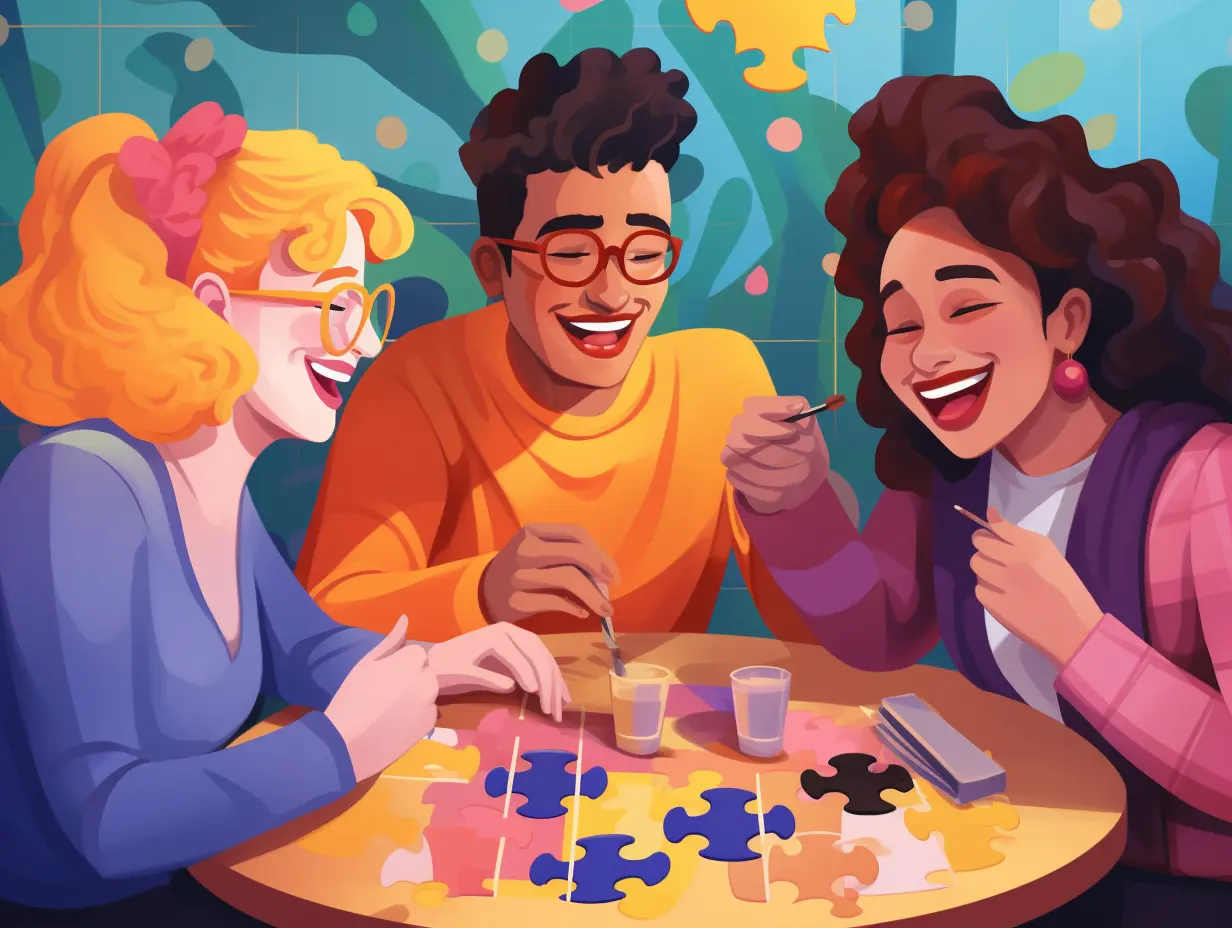
Puzzle-solving is a unique activity that combines a myriad of cognitive processes including problem-solving, pattern recognition, and spatial awareness. These elements make the psychology behind it quite fascinating. Your MBTI personality type can significantly influence your approach to puzzles. For instance, some types thrive on structure and detail, while others excel by thinking outside the box.
Consider the INTJ or Mastermind type. This type loves strategic thinking and often approaches puzzles like a game of chess, contemplating several moves ahead. Imagine partnering with an INTJ; their methodical way of piecing sections together can be incredibly satisfying. They might immediately see a pattern that others miss, pointing out that certain pieces are part of a sky, not the ocean.
Moreover, understanding your puzzle partner's psychological tendencies can greatly enhance the experience. When you pair with someone who complements your weaknesses and strengths, the puzzle-solving process becomes a delightful journey. Embracing this knowledge can help you select partners who not only make the task enjoyable but also enrich the process through their unique perspectives.
The Best MBTI Types to Do Puzzles With
Finding the perfect puzzle buddy can change everything. Below, we've curated a list of the top 5 MBTI types that make excellent puzzle companions. These types excel in problem-solving, staying focused, and contributing positively to the puzzle-solving experience.
INTJ - Mastermind: Strategic and Analytical Thinkers
INTJs are known for their exceptional analytical skills and strategic mindset, making them ideal puzzle partners. Their ability to break down complex problems into manageable parts allows them to approach puzzles with a clear plan. They thrive on efficiency and often devise methods to tackle puzzles systematically, ensuring that every piece is considered and placed thoughtfully.
When working on a puzzle, INTJs tend to focus on the bigger picture while also paying attention to the finer details. They can quickly identify patterns and anticipate the placement of pieces based on the overall design. Their patience is unmatched, as they are willing to spend hours analyzing the puzzle from different angles until they find the optimal solution. This makes them reliable collaborators who can keep the momentum going even when the puzzle becomes challenging.
- Strengths: Strategic planning, pattern recognition, patience.
- Ideal puzzle types: Complex jigsaw puzzles, logic puzzles, and brain teasers.
ISTJ - Realist: Detail-Oriented and Methodical
ISTJs are characterized by their meticulous attention to detail and structured approach to tasks. When it comes to puzzles, they bring a sense of order and reliability that is invaluable. Their methodical nature ensures that every piece is carefully examined and placed, reducing the likelihood of mistakes and enhancing overall efficiency.
Working alongside an ISTJ means you can expect a systematic approach to the puzzle-solving process. They often create a strategy for how to tackle the puzzle, such as sorting pieces by color or edge pieces first. Their patience and persistence allow them to work through frustrating moments without losing focus, making them excellent partners for long, intricate puzzles. Their reliability also ensures that they will stay committed to completing the puzzle, no matter how long it takes.
- Strengths: Attention to detail, reliability, structured problem-solving.
- Ideal puzzle types: Traditional jigsaw puzzles, crosswords, and Sudoku.
ISFJ - Protector: Supportive and Empathetic Collaborators
ISFJs excel in creating a supportive and nurturing environment while working on puzzles. Their empathetic nature allows them to understand the needs and feelings of their partners, making them excellent team players. They bring a sense of calm and stability to the puzzle-solving experience, which can be especially beneficial during challenging moments.
In addition to their supportive demeanor, ISFJs are also highly organized and thorough. They often take on the responsibility of sorting pieces and keeping track of progress, ensuring that the group remains focused and motivated. Their dedication to completing the puzzle is evident, as they are willing to invest time and effort to see it through to the end. This combination of empathy and organization makes ISFJs invaluable partners who can help maintain a positive atmosphere while solving puzzles.
- Strengths: Supportiveness, organization, dedication.
- Ideal puzzle types: Family-friendly puzzles, themed jigsaw puzzles, and collaborative games.
ENTP - Challenger: Innovative and Energetic Problem-Solvers
ENTPs are known for their creativity and enthusiasm, which makes them exciting puzzle partners. Their innovative thinking allows them to approach puzzles from unique angles, often coming up with unconventional strategies that can lead to breakthroughs. They thrive on challenges and enjoy the thrill of tackling difficult puzzles with their partners.
When working on puzzles, ENTPs often inject a sense of fun and competition into the process. They enjoy brainstorming ideas and discussing different approaches, which can lead to a dynamic and engaging puzzle-solving experience. Their energy is infectious, motivating others to push through tough spots and explore new possibilities. With their adaptability and quick thinking, ENTPs excel at finding solutions, making them excellent companions for any puzzle adventure.
- Strengths: Creativity, enthusiasm, adaptability.
- Ideal puzzle types: Escape room puzzles, mystery puzzles, and interactive games.
ENFP - Crusader: Inspiring and Intuitive Team Players
ENFPs are characterized by their vibrant energy and infectious enthusiasm, making them delightful puzzle partners. Their intuitive nature allows them to see connections between pieces that others might overlook, often leading to creative solutions. They thrive in collaborative environments and excel at motivating their teammates, ensuring that the puzzle-solving experience is enjoyable for everyone involved.
When solving puzzles, ENFPs bring a sense of adventure and excitement. They often encourage their partners to think outside the box and embrace the challenge of the puzzle. Their ability to inspire and uplift those around them can transform a mundane puzzle session into a lively and engaging experience. With their keen intuition and positive outlook, ENFPs help to create a dynamic atmosphere where creativity flourishes and challenges are met with enthusiasm.
- Strengths: Inspiration, intuition, enthusiasm.
- Ideal puzzle types: Collaborative jigsaw puzzles, creative problem-solving games, and thematic puzzles.
Potential Pitfalls to Watch Out For
While puzzle-solving can be a highly enjoyable and collaborative activity, it’s not without its challenges. Here are some potential pitfalls and strategies to avoid them:
Miscommunication
Clear communication is key. Misunderstandings can occur if partners aren't vocal about their strategies or next moves. To avoid this, make sure to discuss your approach and share your progress regularly.
Different Pacing
Some people like to take their time, while others prefer to speed through. This mismatch can lead to frustration. Discuss your pacing preferences beforehand to find a middle ground.
Dominance
One partner dominating the puzzle-solving process can leave the other feeling sidelined. Ensure that everyone has a role and contribution in the activity by assigning sections or tasks.
Lack of Focus
Distractions can easily derail the process. Create an environment conducive to concentration. This could mean turning off the TV or finding a quiet corner to work.
Frustration
Puzzles can sometimes lead to frustration and impatience, especially if progress is slow. Keep a positive attitude and encourage breaks when necessary to maintain a good mood and fresh perspective.
Latest Research: Exploring the Dimensions of Relationship Quality
Recent studies, such as the one undertaken by Hassebrauck & Fehr in 2002, provide illuminating insights into the nuances of relationship dynamics, particularly underscoring the importance of quality time as a love language. Through the deployment of principal components analysis—a statistical method that transforms variables into a number of uncorrelated components—this research navigates through the layers of relationship quality. Covering diverse demographic slices from Germany and Canada, it reveals four pivotal dimensions: intimacy, agreement, independence, and sexuality, with intimacy identified as the foremost predictor of relationship satisfaction.
The implication of prioritizing intimacy is significant for individuals seeking meaningful connections, suggesting that establishing and maintaining a deep emotional bond can greatly enrich a partnership. Consider the real-life story of Emma and Luis. Living in bustling Toronto, they found their overlapping schedules increasingly pulling them apart, slotting 'quality time' into ever-smaller windows. However, upon adopting intentional periods dedicated solely to nurturing their relationship, they reported a clearer understanding and enhanced closeness—demonstrating the practical value of the study's insights.
Incorporating these findings into everyday relationships can range from setting aside time for deep, uninterrupted conversations to participating in shared hobbies or simply walking together. These activities, bolstered by scientific validation, highlight how prioritizing emotional connections over mere coexistence can dramatically uplift the quality of intimate relationships. For those interested in delving deeper into the specifics of the study, the full analysis and its implications can be accessed directly (read more about the study). These findings not only highlight the scientific rigor of the research, performed across a diverse demographic set and utilizing a robust statistical methodology but also provide practical strategies for fostering significant improvements in relationship satisfaction.
FAQs
How do I choose the right puzzle for my MBTI type?
Each MBTI type has different strengths and preferences. Choose puzzles that either play to your strengths or offer a chance to challenge yourself in areas you're less comfortable with.
Can understanding MBTI types improve other team activities?
Absolutely! Understanding MBTI types can enhance team collaboration in various settings, from work projects to social activities.
How can I improve my puzzle-solving skills?
Practice is key. Start with smaller puzzles and gradually take on more challenging ones. Partnering with individuals who have different strengths can also enhance your skills.
Are some MBTI types naturally better at puzzles?
Each MBTI type offers unique skills that can be advantageous in puzzle-solving. However, enjoyment and interest often play a bigger role than inherent ability.
How can I make puzzle-solving more enjoyable?
Choose puzzles with themes that interest you, set a comfortable environment, and partner with someone who complements your style.
Wrapping Up: The Joy of Collaborative Puzzle-Solving
Finding the right puzzle partner can turn this solitary activity into a joyous shared experience. By understanding the strengths of different MBTI types, you can choose partners who will enhance your puzzle-solving journey. Remember, the goal is not just to complete the puzzle but to enjoy the process together. So, gather your Masterminds, Realists, Protectors, Challengers, and Crusaders, and dive into your next puzzle with renewed enthusiasm and shared purpose. Happy puzzling!