The 3 MBTI Types Most Likely to Practice Parkour: A Deep Dive
Everyone wants to find an activity that aligns with their personality, but it’s not always easy to know where to start. You might feel overwhelmed by the number of options out there. Maybe you’ve tried several hobbies, only to find that none of them “click” in a way that feels natural or fulfilling. It can be frustrating to continuously invest time and energy without seeing the benefits that you hope for.
Wouldn’t it be great if there was a method to predict the activities that you’re most likely to enjoy and stick with? After all, doing something that truly resonates with you can bring immense joy and satisfaction. This article promises to solve that problem by pinpointing the three MBTI types most suited for parkour. We’ll break down the psychology behind it and offer practical tips tailored to your personality type, ensuring you have the best experience possible.
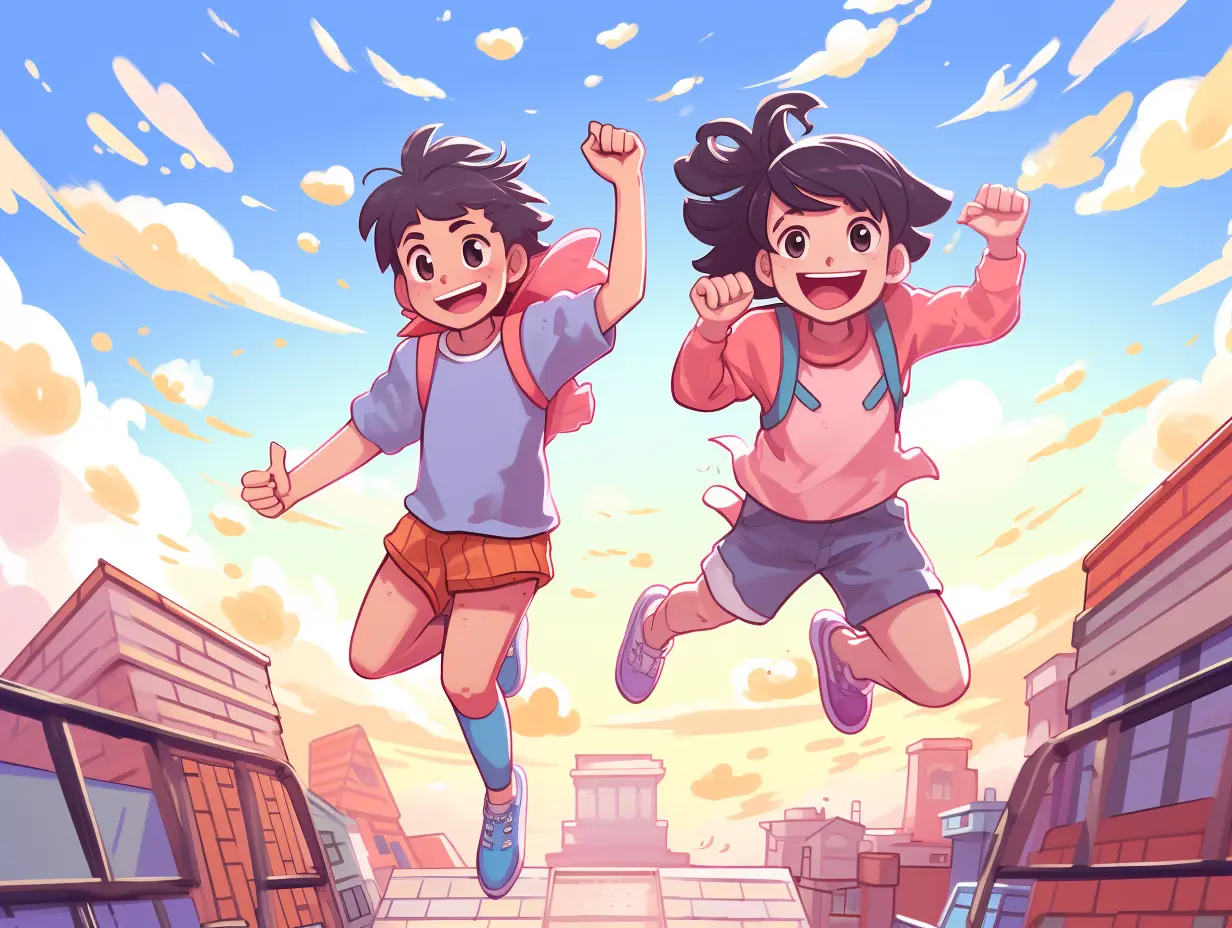
The Psychology Behind Parkour Enthusiasm: Why It’s Important
Parkour is more than just an extreme sport; it’s a discipline that requires mental fortitude, agility, and a unique worldview. Understanding why certain MBTI types are more inclined toward parkour starts with comprehending the psychological allure behind the activity.
Take John, an ENFP "Crusader," for instance. John always felt an urge to break away from conventional boundaries and explore his physical limits. One day, he stumbled upon a group practicing parkour in a local park. The freedom, creativity, and sheer exhilaration he witnessed resonated deeply with him. Driven by his innate enthusiasm and need for unwavering novelty, he quickly became engrossed in parkour.
This anecdote brings to light a recurrent theme: some personalities are naturally drawn to the intricate blend of physical and mental challenges that parkour presents. While each MBTI type has unique preferences, quirks, and strengths, those who practice parkour often display particular psychological traits. A blend of risk-taking, independence, and a dynamic way of thinking forms the perfect recipe for falling in love with this sport.
Top MBTI Types Most Inclined Toward Parkour
Let’s delve into the MBTI types that are most likely to find parkour a rewarding and deeply engaging pursuit. If you see your type here, you might just find your next favorite hobby!
ISTP - Artisan: Mastering Movement through Practicality
ISTPs are known for their hands-on approach to life and their ability to think on their feet. Their practical nature allows them to quickly assess situations, making them particularly adept at navigating the physical challenges presented by parkour. This personality type thrives on the thrill of mastering new techniques and overcoming obstacles, which aligns perfectly with the dynamic and ever-changing environment of parkour. They find joy in the technical aspects of the sport, such as perfecting their jumps, rolls, and vaults, and are often drawn to the mechanics of movement.
In addition to their love for physical challenges, ISTPs are independent thinkers who enjoy the freedom that parkour offers. They can train alone or in groups, allowing them to tailor their experience to their personal preferences. The sport also caters to their need for spontaneity; every training session can lead to new discoveries and creative problem-solving. ISTPs often appreciate the blend of physicality and mental agility required in parkour, making it an ideal outlet for their unique skill set.
- Quick decision-making abilities
- Enjoyment of hands-on activities
- Thrives in dynamic and unpredictable environments
ESTP - Rebel: Embracing Adventure with Unmatched Energy
ESTPs are often characterized as thrill-seekers who thrive on excitement and spontaneity. Their natural charisma and love for action make parkour an appealing pursuit, as it allows them to engage in high-energy activities that keep their adrenaline pumping. The sport's emphasis on risk-taking and pushing physical limits resonates with their adventurous spirit, making each training session an exhilarating experience. For ESTPs, parkour is not just a sport; it's a lifestyle that embodies their desire for excitement and new challenges.
The social aspect of parkour also aligns well with the ESTP personality. They enjoy being part of a community and thrive in environments where they can share their experiences and learn from others. Training with friends or joining parkour groups allows ESTPs to connect with like-minded individuals who share their passion for adventure. This camaraderie enhances their enjoyment of the sport, as they motivate each other to push their boundaries and explore new techniques.
- High energy and thrill-seeking nature
- Strong social connections and community involvement
- Love for risk-taking and physical challenges
ENFP - Crusader: Unleashing Creativity through Movement
ENFPs are known for their boundless creativity and enthusiasm for life. They are driven by a desire to express their individuality and seek experiences that challenge their limits. Parkour offers an incredible outlet for ENFPs to explore their innovative spirit, allowing them to navigate their environments in unique and imaginative ways. The freedom to create their own movements and the opportunity to experiment with different techniques make parkour a captivating pursuit for this personality type.
Moreover, ENFPs thrive on personal growth and self-discovery, both of which are integral components of parkour. Each session presents an opportunity for them to learn something new about themselves and their capabilities. The sport encourages ENFPs to step outside their comfort zones, fostering resilience and adaptability. Their natural enthusiasm often inspires others around them, making them not only passionate practitioners but also motivating figures within the parkour community.
- Strong desire for self-expression and creativity
- Focus on personal growth and overcoming challenges
- Ability to inspire and connect with others through shared experiences
MEET NEW PEOPLE
50,000,000+
DOWNLOADS
Potential Pitfalls and How to Avoid Them
While parkour can be an exhilarating and fulfilling activity, it's important to be aware of potential pitfalls. Here are some common challenges and how to navigate them effectively.
Overestimating your abilities
One of the biggest challenges in parkour is the temptation to push your limits too quickly. This can result in injuries and setbacks that could have been avoided.
- Strategy: Focus on gradual progression. Build your skills step-by-step and always listen to your body.
Lack of proper training
Without proper guidance, it's easy to develop bad habits or overlook essential safety measures.
- Strategy: Seek out experienced instructors or join a parkour community where you can receive proper training and feedback.
Neglecting safety measures
Parkour involves risk, and neglecting basic safety measures can lead to accidents.
- Strategy: Always warm up, use appropriate gear, and practice in safe environments.
Ignoring mental preparation
The mental aspect of parkour is just as important as the physical. Failing to prepare mentally can hinder your progress.
- Strategy: Practice mindfulness techniques, visualization, and mental conditioning to build confidence and focus.
Not having a support system
Embarking on a parkour journey alone can be daunting and demotivating.
- Strategy: Surround yourself with a supportive community or training partners who share your passion and can offer encouragement.
Latest Research: Similar Neural Responses Predict Friendship
The study conducted by Parkinson et al. reveals the fascinating way friends exhibit similar neural responses to the same stimuli, suggesting a deeper, perhaps unconscious level of compatibility and connection. This observation provides a compelling scientific basis for the intuitive selection of friends, indicating that our brains are naturally attuned to seek out those with whom we share a perceptual and emotional resonance. The implications of this research are profound, suggesting that the friendships we form are influenced by an intrinsic alignment in how we experience and interpret the world around us.
Parkinson et al.'s findings offer a unique perspective on the nature of friendship, emphasizing the importance of unseen, neural commonalities in the formation of close relationships. This insight has significant implications for how we understand and approach friendship, suggesting that beyond shared interests and experiences, there exists a fundamental neural harmony that binds friends together. It invites individuals to consider the underlying neural similarities that may contribute to the strength and depth of their friendships, highlighting a fascinating dimension of human connection.
The research by Parkinson et al. on similar neural responses among friends enriches our understanding of the complexities of human relationships. It suggests that the bonds we form are underpinned by more than just shared experiences or interests; they are also influenced by a deep-seated neural compatibility. This study encourages a broader appreciation of the factors that draw us to our friends and underscores the importance of nurturing relationships that resonate with us on both a conscious and subconscious level.
FAQs
What is parkour, and how did it originate?
Parkour, also known as free-running, originated in France with military obstacle course training. It focuses on efficient movement through urban environments.
Can anyone practice parkour, regardless of fitness level?
Yes, parkour is accessible to all fitness levels. Beginners can start with basic movements and gradually progress to more complex techniques.
How do I find a parkour community or instructor?
You can find parkour communities and instructors through online platforms, social media, and local fitness centers. Look for groups that emphasize safety and proper training.
Is parkour safe for children and teenagers?
When taught by experienced instructors and with appropriate safety measures, parkour can be a safe and rewarding activity for children and teenagers.
What are the mental benefits of practicing parkour?
Parkour enhances mental resilience, problem-solving skills, and confidence. It encourages practitioners to overcome obstacles and think creatively.
Finding Your Path in Parkour: The Final Leap
In conclusion, parkour is more than just a sport; it’s a transformative experience that aligns perfectly with certain personality types. Whether you're an ISTP, ESTP, or ENFP, parkour offers a unique blend of physical and mental challenges that can lead to personal growth and fulfillment. By understanding the psychological draw behind the practice, recognizing potential pitfalls, and addressing common questions, you can confidently embrace this exhilarating journey. So, leap into the world of parkour, and discover the incredible paths you can take.