The Ultimate MBTI Types for Superior Project Management
Managing a project can often feel like juggling too many balls at once. There are deadlines to meet, team dynamics to navigate, and the constant pressure to deliver outstanding results. It can leave many project managers feeling overwhelmed and stressed, even leading to burnout.
Imagine trying to organize a puzzle without knowing what the final image looks like. Every piece you place could either make or break the completed picture. This uncertainty can create tension and anxiety, further complicating the task at hand. However, what if there was a way to match the right personality type with the project management role to enhance efficiency, communication, and overall success?
In today’s post, we’ll explore how understanding MBTI (Myers-Briggs Type Indicator) types can revolutionize your approach to project management. More specifically, we'll discuss the three best MBTI types for managing projects effectively. By the end of this article, you’ll have actionable insights that can transform your project management strategies.
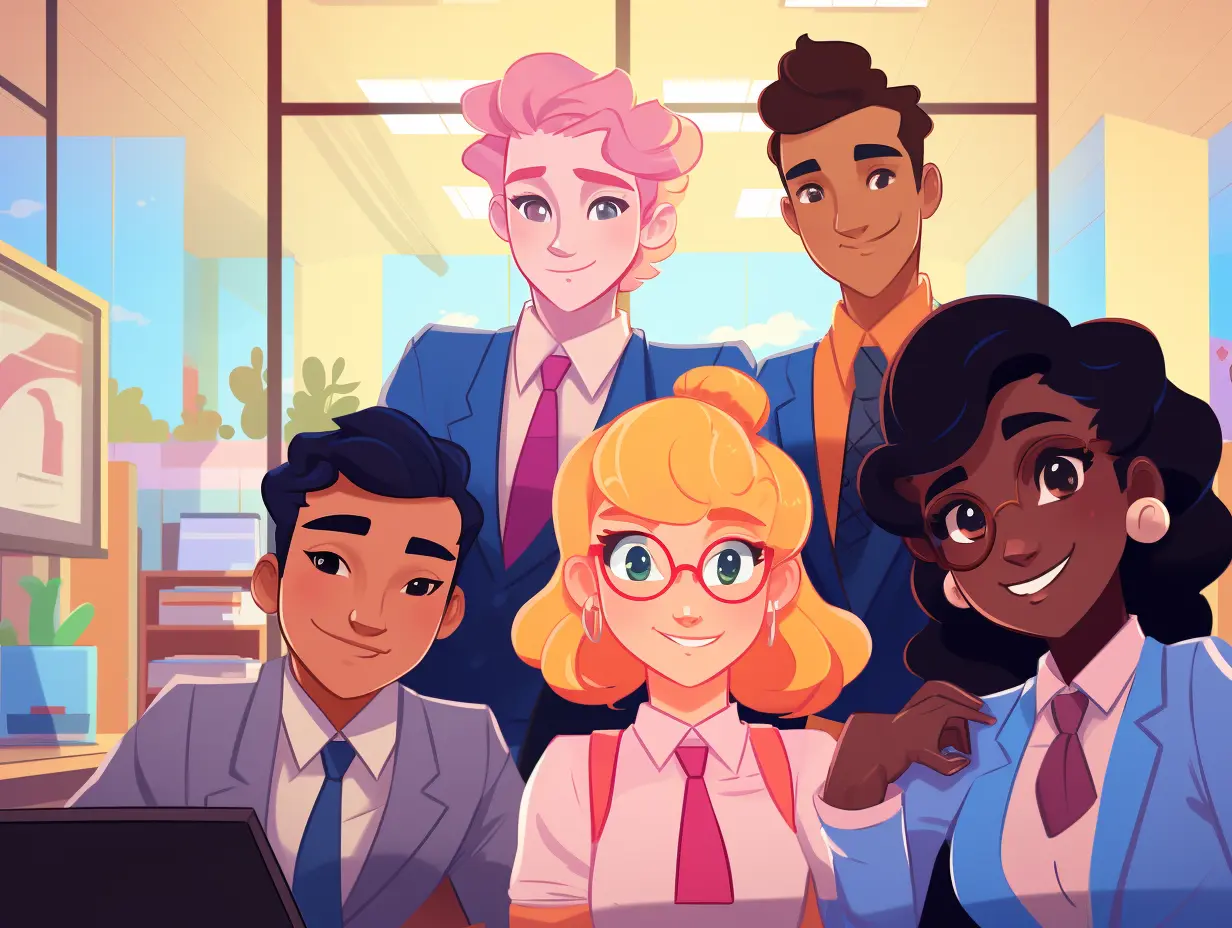
The Psychology Behind Effective Project Management
Understanding the psychology behind effective project management can provide a strong foundation for selecting the best MBTI types. The MBTI is a widely recognized tool that categorizes individuals into 16 different personality types based on their preferences in four areas: introversion/extroversion, sensing/intuition, thinking/feeling, and judging/perceiving.
Take, for example, a complex software development project. A Guardian (INFJ) might excel at envisioning the project's end goals and identifying potential obstacles. Their intuitive nature allows them to see the big picture effortlessly while their feeling preference ensures they remain sensitive to team members' needs and emotions.
Similarly, a Mastermind (INTJ) would be able to create detailed plans and strategies, ensuring all aspects of the project are covered. Their deep thinking and judging qualities help them anticipate risks and devise contingency plans, making them adept at guiding a project from inception to completion.
The importance of psychological alignment
Why is this psychological alignment so crucial? Essentially, it can make or break the success of any project. A Commander (ENTJ) may have the decisive, action-oriented approach needed to tackle tight deadlines effectively. These types flourish in environments where clear direction and assertiveness are paramount, ensuring that every team member knows their role and responsibilities.
By aligning the right MBTI type with your project management needs, you’re not just filling a role; you’re setting the stage for a more harmonious and successful project execution.
Top 3 MBTI Types for Successful Project Management
When choosing the best MBTI types for managing a project, you want those who can handle complexity, communicate effectively, and lead with confidence. Here's an in-depth look at the top three:
Mastermind (INTJ) - The Strategic Planner
Masterminds, or INTJs, are known for their ability to develop comprehensive plans and strategies that address complex challenges. Their analytical nature allows them to dissect problems and foresee potential obstacles before they arise. This foresight is invaluable in project management, where anticipating issues can save time and resources. INTJs thrive when they can create structured approaches to achieve long-term goals, making them particularly effective in high-stakes environments.
In addition to their strategic mindset, INTJs are also highly self-motivated and independent. They prefer to work autonomously and often take the initiative to drive projects forward. Their meticulous attention to detail ensures that every aspect of a project is considered, from resource allocation to risk management. Furthermore, their preference for logic and reason over emotion allows them to make tough decisions without getting bogged down by personal biases, which is crucial in maintaining project momentum.
- Strengths: Strategic planning, foresight, independence, attention to detail
- Challenges: May struggle with collaboration, can be perceived as aloof or overly critical
Commander (ENTJ) - The Decisive Leader
Commanders, or ENTJs, are natural leaders who thrive in fast-paced environments that require quick decision-making and assertive action. Their extroverted nature makes them adept at communicating their vision and rallying teams around a common goal. ENTJs are known for their ability to organize and delegate tasks effectively, ensuring that each team member is utilized to their full potential. This leadership style fosters a sense of accountability and urgency, which is essential for meeting project deadlines.
Moreover, ENTJs are highly results-oriented and driven by success. They possess a strong desire to see projects through to completion, often pushing themselves and their teams to achieve ambitious targets. Their confidence in their decision-making abilities can inspire others, fostering a culture of motivation and high performance. However, their assertiveness can sometimes come off as domineering, which may require them to balance their leadership style with empathy and active listening to maintain team harmony.
- Strengths: Leadership, decisiveness, organizational skills, results-driven
- Challenges: Can be overly assertive, may overlook team members' emotional needs
Guardian (INFJ) - The Empathetic Insight
Guardians, or INFJs, bring a unique blend of emotional intelligence and intuitive understanding to project management. Their ability to empathize with team members allows them to foster a supportive and harmonious work environment. INFJs excel at reading between the lines and understanding the unspoken dynamics within a team, which enables them to address potential conflicts before they escalate. This skill is particularly valuable in collaborative projects where team cohesion is essential for success.
In addition to their emotional insight, INFJs are also visionaries who can see the bigger picture. They are adept at aligning project goals with the values and motivations of team members, creating a sense of purpose that drives engagement. Their thoughtful approach to problem-solving encourages open communication and collaboration, making it easier for teams to navigate challenges together. While they may not always take center stage in leadership, their influence and guidance are often felt deeply within the team.
- Strengths: Emotional intelligence, conflict resolution, visionary thinking, team cohesion
- Challenges: May struggle with assertiveness, can be overly idealistic
Being Aware of Potential Pitfalls in Project Management
No project is without its hurdles, and understanding potential pitfalls can make all the difference. Here, we highlight some common challenges and offer strategies to avoid them:
Miscommunication
Miscommunication can derail even the best-managed projects.
- Strategy: Encourage open channels of communication through regular team meetings and updates.
Scope creep
Allowing the project scope to expand uncontrollably can lead to missed deadlines.
- Strategy: Define clear objectives from the start and stick to them.
Overwork and burnout
Managers and team members alike can suffer from overwork and burnout.
- Strategy: Implement regular breaks and realistic deadlines to maintain a healthy work-life balance.
Lack of resources
Inadequate resources can halt project progress.
- Strategy: Conduct a detailed resource audit before the project begins.
Resistance to change
Teams can often resist new ideas and changes in the project.
- Strategy: Foster an open-minded and adaptive culture within the team.
Latest Research: Alike People, Alike Interests? by Han et al.
Han et al.'s observational study investigates the correlation between interest similarity and friendship formation in online social networks, revealing that users with similar interests are more likely to become friends. This research underscores the role of shared interests as a crucial factor in the development of social connections, particularly in the context of digital interaction. The study highlights how geographic proximity and demographic characteristics further enhance the likelihood of friendship formation, offering insights into the complex interplay between shared interests and other social factors in the digital age.
The findings from Han et al.'s study have significant implications for understanding how friendships are formed and maintained in online environments. It suggests that while shared interests serve as a common ground for initiating connections, other factors like geographic and demographic similarities also play a key role in strengthening these bonds. This research encourages individuals to leverage online platforms not only to discover and connect with others who share their interests but also to explore the potential of these connections to evolve into meaningful friendships.
Alike people, alike interests? by Han et al. provides a comprehensive look at the dynamics of friendship formation in the digital age, highlighting the importance of shared interests in fostering connections. The study offers valuable insights into the ways in which online social networks can be utilized to expand our social circles and cultivate friendships based on common interests and experiences. It underscores the potential of digital platforms to facilitate the formation of significant and supportive friendships, emphasizing the enduring value of shared interests in the development of social relationships.
FAQs
What is the importance of MBTI in project management?
Understanding MBTI allows you to leverage inherent strengths and work on weaknesses, leading to more effective project management.
How can I determine my MBTI type?
A variety of online tests can help you determine your MBTI type, but consulting a certified professional is recommended for accurate results.
Are certain MBTI types better suited to specific industries?
Yes, some MBTI types may excel in particular industries. For example, a Mastermind (INTJ) may perform exceptionally well in tech and engineering fields.
Can MBTI aid in conflict resolution during projects?
Absolutely. Understanding everyone’s MBTI type can provide insight into how they react under stress, which can be crucial for conflict resolution.
How do I integrate MBTI types into my existing team?
Start by having your team members take a reliable MBTI assessment, and then use the results to align roles and responsibilities with their natural strengths.
Wrapping Up: Unlocking the Potential of MBTI for Project Success
Choosing the right MBTI types to manage your projects can set the stage for success. Whether it's the strategic brilliance of a Mastermind, the decisive leadership of a Commander, or the empathetic foresight of a Guardian, each brings a unique flair to the role. By understanding and leveraging these strengths, you create not just a well-managed project but a harmonious, effective team.
So go ahead, try this approach, and see how it transforms your next project. With the right personality types at the helm, your project is set to sail smoothly toward success!