Delightful Dessert Duos: The 3 Best MBTI Types to Share a Sweet Treat
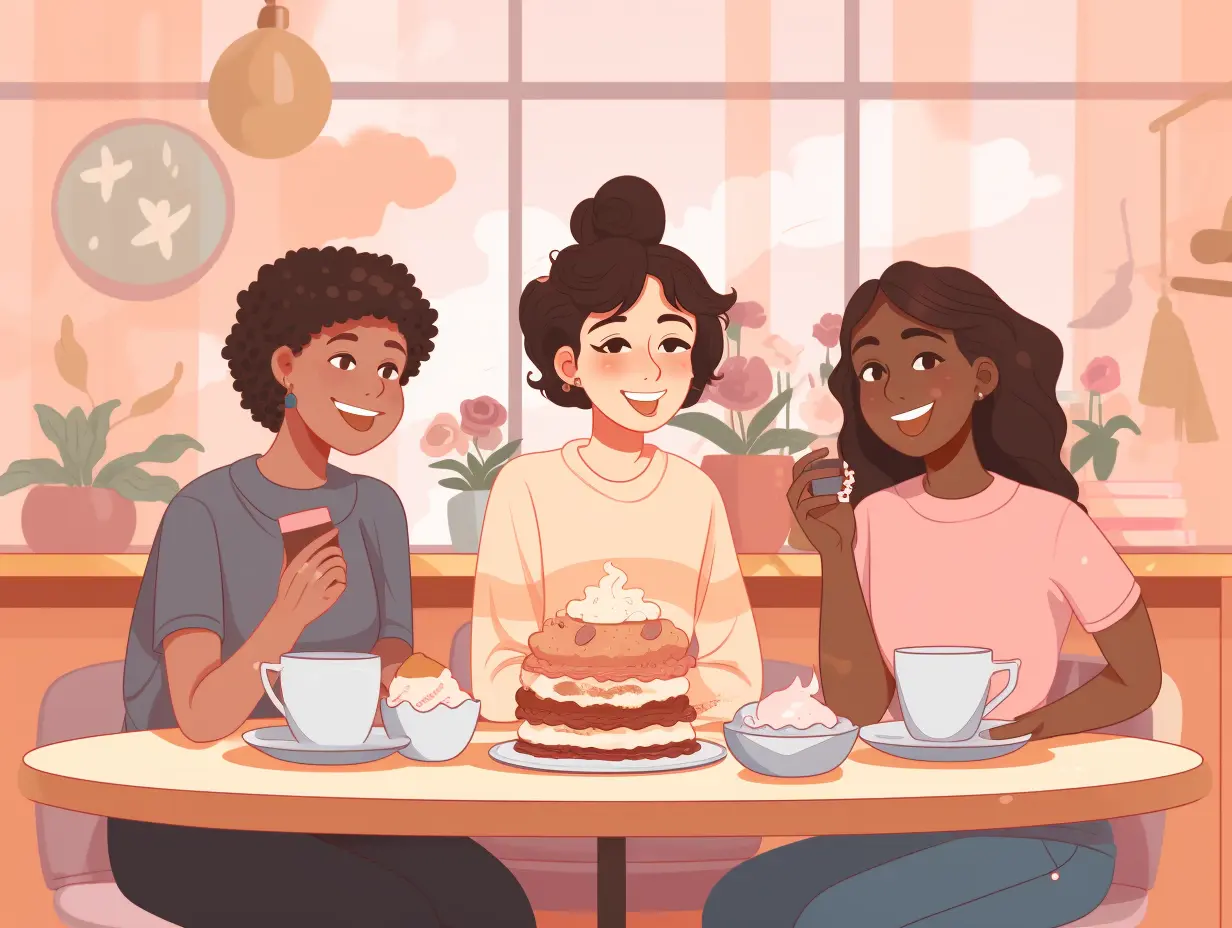
Picture this: You're out at a cozy cafe, eyes glistening at the variety of tantalizing desserts on display. You’re excited to share one of these treats, but picking the right company to join you can be a surprisingly tricky task. Have you ever left such an experience feeling less than satisfied because your dessert buddy didn’t quite share your enthusiasm or taste?
We’ve all been there—the awkward moment when enthusiasm for a shared dessert doesn't match up, leading to an unsatisfying experience that leaves both parties feeling disconnected. The problem isn’t just about mismatching tastes; it can extend to a mismatch in how you approach the social, emotional, and indulgent aspects of sharing a sweet treat. No one wants their dessert time shadowed by disappointment!
Understanding the Psychology: Why MBTI Matters in Dessert Sharing
When it comes to sharing desserts, the dynamics of personality types can play a surprisingly significant role. The Myers-Briggs Type Indicator (MBTI) is more than just a fun way to categorize people into types; it’s a tool that delves into the intricacies of our social behaviors, preferences, and interpersonal dynamics.
Imagine sharing a decadent chocolate lava cake with an ENFP (Crusader), known for their zest and adventurous spirit. They might encourage you to try new flavors and make the whole experience more exciting. On the other hand, a ISFJ (Protector) might pay special attention to your preferences, making sure the dessert experience is mutually satisfying. These dynamics aren’t just incidental; they’re rooted in the core traits identified by the MBTI.
The 3 Best MBTI Types for Sharing a Dessert
So, without further ado, let's dive into the top three MBTI personality types you should consider inviting for a shared dessert experience!
ENFP - Crusader: Adventurous and Spontaneous Dessert Sharing
ENFPs are known for their enthusiastic and adventurous personalities, which translates into their approach to sharing desserts. They thrive on spontaneity and creativity, often seeking out unique and exciting flavor combinations. When sharing a dessert with an ENFP, expect a lively atmosphere filled with laughter and exploration. They are likely to suggest trying unusual desserts or even making a collaborative creation, turning the experience into an engaging adventure.
In a dessert-sharing scenario, ENFPs bring a sense of excitement and openness. They are likely to encourage others to step outside their comfort zones and try something new, which can lead to delightful surprises. Their extroverted nature means they enjoy sharing stories and experiences related to the desserts, making the occasion feel more like a celebration. This type thrives in environments that foster creativity and connection, making dessert time a perfect opportunity for them to shine.
- Enjoys experimenting with flavors
- Encourages trying new things
- Creates a joyful and lively atmosphere
ISFJ - Protector: Thoughtful and Considerate Dessert Sharing
ISFJs are characterized by their nurturing and attentive nature, particularly when it comes to the preferences and needs of others. When sharing desserts, an ISFJ will likely take the time to understand what everyone enjoys, ensuring that the dessert experience is tailored to the group. Their thoughtfulness can manifest in selecting desserts that accommodate dietary restrictions or personal preferences, making everyone feel included and cared for.
The ISFJ's approach to dessert sharing often emphasizes tradition and comfort. They may prefer classic desserts that evoke nostalgia or remind them of special moments spent with loved ones. When they share desserts, they often do so with a sense of responsibility, ensuring that everyone has enough and that the experience is harmonious. Their introverted nature means they may not seek the spotlight, but their contributions are deeply felt and appreciated.
- Attentive to others' preferences
- Values tradition and comfort in dessert choices
- Strives to create a harmonious sharing experience
INFP - Peacemaker: Serene and Mild Climates for Dessert Enjoyment
INFPs are dreamers and idealists, often seeking harmony and depth in their experiences. When it comes to sharing desserts, they prefer serene and tranquil settings that allow for meaningful conversations and connections. An INFP may choose a cozy café or a quiet park to enjoy dessert, valuing the atmosphere as much as the treats themselves. Their approach is often reflective, allowing for a deeper appreciation of the flavors and the moment.
In dessert sharing, INFPs tend to focus on the emotional aspect of the experience. They are likely to share their thoughts and feelings about the dessert, perhaps discussing the memories it evokes or the artistry behind its creation. Their sensitive nature means they are attuned to the feelings of others, often ensuring that everyone feels comfortable and included in the conversation. This can lead to a rich and fulfilling dessert experience that goes beyond just the taste.
- Prefers serene and tranquil settings
- Values emotional connections during dessert sharing
- Attuned to the feelings of others, fostering inclusivity
Potential Pitfalls in Dessert Sharing and How to Avoid Them
While sharing dessert with the right MBTI type can be a dream, there are some potential pitfalls you should be aware of. Here's how to navigate these issues effectively.
Clash of Preferences
One common pitfall is a clash in dessert preferences.
- Solution: Before ordering, discuss and find common ground. Compromise by selecting a dessert that incorporates elements both parties enjoy.
Over-enthusiasm vs. Under-enthusiasm
Sometimes, one person might be overly excited about a dessert while the other feels indifferent.
- Solution: Gauge each other’s enthusiasm levels and try to match them to make the experience enjoyable for both.
Dietary Restrictions
Dietary restrictions can often become a stumbling block.
- Solution: Make sure to discuss any dietary restrictions or preferences upfront to select a suitable dessert.
Social Dynamics
Some people may feel uncomfortable sharing intimate experiences like eating.
- Solution: Keep the conversation light and inclusive, making sure the other person feels comfortable.
Portion Misjudgment
Ordering a dessert that's too large or too small can affect the experience.
- Solution: Gauge portion sizes correctly and ensure it’s enough for sharing without being excessive.
Latest Research: Navigating Friendship Dynamics in Digital Connections
Han et al.'s study on interest similarity and friendship formation in online social networks uncovers the intricate ways in which digital platforms facilitate connections based on shared interests. This research highlights the importance of social features, such as geographic proximity and demographic characteristics, in enhancing the likelihood of forming friendships in the digital realm. By analyzing the connections of nearly half a million users, Han et al. provide a comprehensive overview of how modern friendships evolve in online spaces, emphasizing the role of shared interests in bringing people together.
The implications of this study are particularly relevant in the age of social media, suggesting that online platforms can serve as valuable tools for expanding our social circles and finding communities where we feel a sense of belonging. Han et al.'s research encourages individuals to leverage digital connections to foster meaningful friendships, highlighting the potential of these platforms to bridge geographic and demographic divides. This study offers insights into the dynamics of online friendship formation, suggesting that shared interests, coupled with other social factors, play a crucial role in creating supportive and engaging online communities.
Investigating Alike People, Alike Interests? in Online Social Networks by Han et al. sheds light on the complex interplay between interest similarity and social connectivity in the digital age. By exploring how online platforms facilitate the formation of friendships based on shared interests, this research contributes to our understanding of digital social dynamics, offering guidance on how to navigate and enrich our online interactions. The study underscores the potential of social media to foster genuine connections, emphasizing the importance of shared interests in building and sustaining meaningful digital friendships.
FAQs
How can I find out my friend's MBTI type?
Finding out a friend's MBTI type can be easy and fun. You can take an online quiz together or ask them directly if they already know their type.
Are there specific desserts that go well with certain MBTI types?
While there's no rule book, experimenting based on known preferences and tolerances can add fun to the process. After all, dessert is all about enjoyment!
Can you share dessert preferences change over time?
Absolutely! Tastes can evolve, and what might work today might not work a year later. Keep the lines of communication open to adapt and enjoy.
Is it okay to skip sharing desserts altogether?
Yes, it is entirely up to the individuals involved. If sharing isn't your thing, enjoying your own dessert separately is perfectly fine.
Can knowing MBTI types help beyond sharing desserts?
Definitely. Knowing MBTI types enhances understanding in various aspects of life, including communication styles, work habits, and even conflict resolution.
A Sweet Ending: The Final Scoop on Dessert Sharing
As we’ve seen, the MBTI can provide fascinating insights into how we interact socially – even over something as seemingly simple as sharing a dessert. Whether it’s the empathetic Hero, the considerate Protector, or the adventurous Crusader, these personality types can elevate your dessert-sharing experience to new heights.
So next time you find yourself reaching for a fork to dive into that shared tiramisu, remember the magic of compatibility. May every bite be as perfectly paired as your company!