The Top 5 MBTI Types Who Are Most Likely to Join a Ghost Hunting Team
Ever thought about why some people are more inclined to chase the paranormal, while others wouldn’t dare step into a haunted house? It’s an intriguing puzzle. Many of us are curious about the unseen and unknowable, but there seems to be a specific psychology behind who is more drawn to ghost hunting adventures.
Imagine this: You’re in a dark, creaky old mansion. The air is thick with suspense, and every undiscovered corner holds the promise of uncovering something extraordinary or terrifying. It’s exhilarating for some, but unnerving for many. Why is this? Because our individual personality types play a big role in what we find thrilling or daunting.
In this article, we’ll unravel the five MBTI personality types that are most likely to join a ghost hunting team. We’ll explore what makes these types tick and why their unique traits make them excellent paranormal investigators.
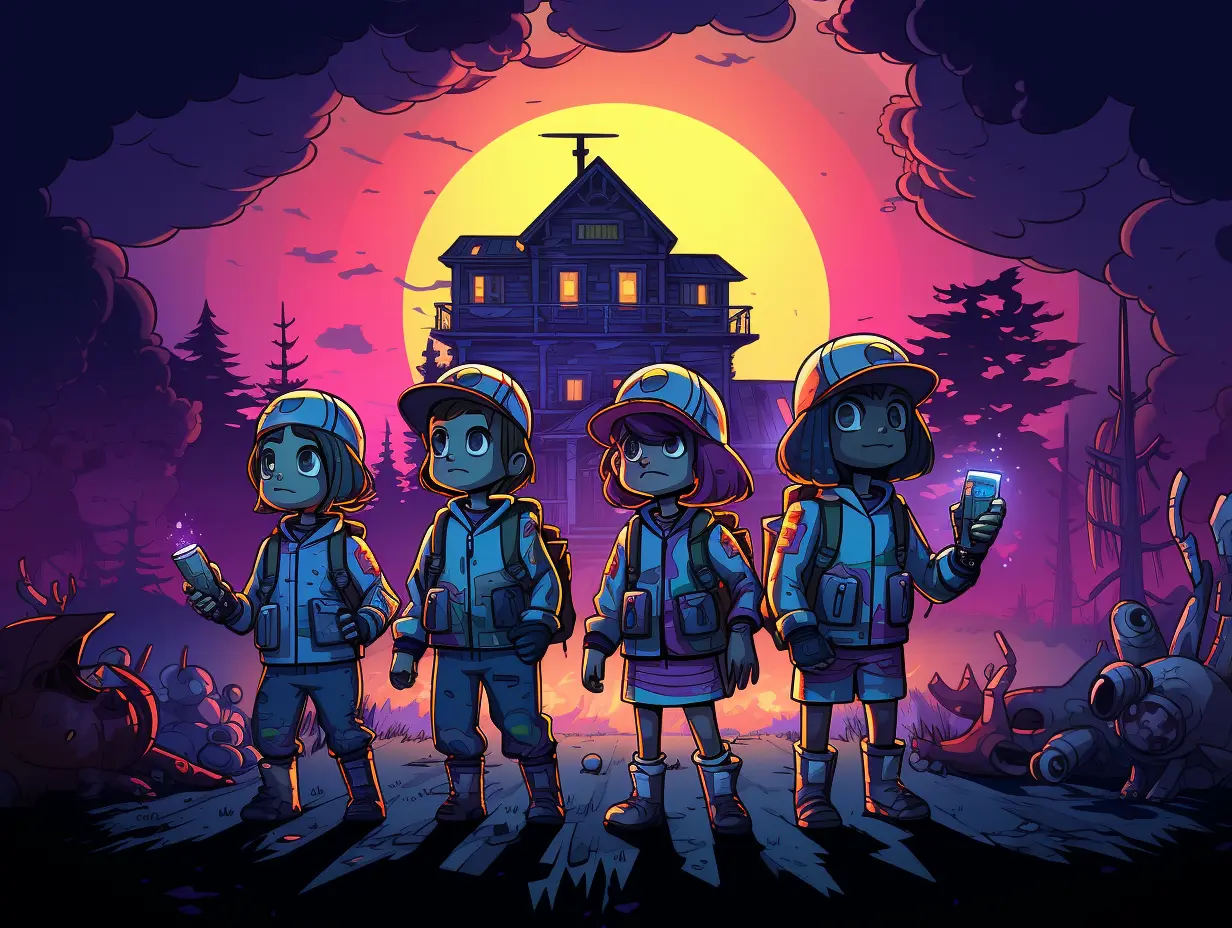
The Psychology of Paranormal Curiosity
Why do certain people find ghost hunting so captivating? It all boils down to a mix of curiosity, openness to new experiences, and a dash of thrill-seeking. According to psychologists, people who are more open to new experiences tend to seek out activities that break the monotony of everyday life. The suspense, the possibility of the supernatural, and even the creepy atmosphere are all elements that some personalities find irresistibly intriguing.
For example, consider the "Commander" (ENTJ) personality type. Commanders are natural leaders who thrive on challenges and are seldom deterred by fear. This makes them prime candidates for leading a ghost-hunting expedition. On the other hand, "Guardians" (INFJ) are deeply intuitive and empathetic, often feeling a strong connection to the unseen world. This empathetic side makes them keen to understand and explore paranormal activities.
MBTI Types That Thrive in Ghost Hunting
Are you wondering if your personality type would make you an ideal ghost hunter? Here are the five MBTI types who fit the role perfectly:
Commander (ENTJ) - The Fearless Leader: Strategic and Brave
Commanders, or ENTJs, are characterized by their natural leadership abilities and strategic mindset. In the realm of ghost hunting, their capacity to take charge in high-stakes situations is invaluable. They thrive on challenges and are not easily shaken by the eerie environments often associated with paranormal investigations. Their bravery allows them to face fears head-on, making them ideal team leaders who can inspire confidence in others.
In ghost hunting scenarios, Commanders excel at organizing the team and devising effective plans to explore haunted locations. Their ability to analyze situations quickly helps them to make sound decisions, whether it's determining the best approach to investigate a location or managing unexpected occurrences during an investigation. Furthermore, their assertiveness ensures that the team remains focused and driven, even when faced with unsettling experiences.
- Strong leadership skills help maintain team morale.
- Strategic thinkers who can adapt to changing circumstances.
- Fearlessness allows them to confront the unknown without hesitation.
Guardian (INFJ) - The Intuitive Empath: Deeply Connected to the Unknown
Guardians, or INFJs, are known for their profound intuition and empathetic nature. These traits allow them to form deep connections with the paranormal, making them particularly attuned to the subtle energies and emotions present in haunted locations. Their sensitivity enables them to sense when something otherworldly is nearby, which can be crucial during investigations.
In ghost hunting, Guardians often take on the role of the sensitive investigator, using their intuition to guide the team in exploring different areas of a location. They excel at interpreting the emotional atmosphere and can often feel the residual energies left behind by past events. This ability not only aids in identifying potential hotspots but also helps the team navigate emotionally charged situations with care and understanding.
- Strong empathy allows for a better understanding of spirits' emotions.
- Intuitive insights can lead to uncovering hidden truths about a location.
- Their reflective nature promotes thoughtful discussions among team members.
Crusader (ENFP) - The Enthusiastic Explorer: Open-Minded and Energetic
Crusaders, or ENFPs, are known for their enthusiasm and creativity. Their open-minded approach to life allows them to embrace the idea of ghostly phenomena without skepticism. This trait makes them excellent team members in ghost hunting, as they can keep the energy high and encourage others to explore the unknown with excitement and curiosity.
In investigations, ENFPs often serve as the morale boosters of the team, using their natural charisma to lighten the mood and foster camaraderie among members. Their imaginative nature allows them to think outside the box, leading to innovative ideas for investigations and unique ways to engage with the paranormal. Additionally, their adaptability means they can pivot quickly when faced with unexpected challenges, making them invaluable in dynamic environments.
- High energy helps to keep the team motivated during investigations.
- Creative thinking leads to unique approaches to exploring haunted sites.
- Their enthusiasm can help diffuse tension in spooky situations.
Genius (INTP) - The Analytical Thinker: Problem-Solver of the Paranormal
Genius personalities, or INTPs, are renowned for their analytical skills and love for solving complex problems. In the context of ghost hunting, their ability to think critically and investigate logically is essential. They approach paranormal phenomena with a scientific mindset, seeking to debunk myths and uncover the truth behind reported hauntings.
During investigations, INTPs excel at analyzing data collected from various tools and equipment. Their methodical approach allows them to sift through evidence, identifying patterns and anomalies that others might overlook. Moreover, their penchant for curiosity drives them to ask probing questions, pushing the team to explore deeper into the mysteries they encounter. This combination of analytical prowess and relentless inquiry makes them indispensable in any ghost-hunting endeavor.
- Strong problem-solving skills help in deciphering complex phenomena.
- Critical thinking aids in distinguishing between genuine paranormal activity and natural explanations.
- Their curiosity fosters a culture of inquiry within the team.
Rebel (ESTP) - The Daring Adventurer: Thrill-Seeker of the Supernatural
Rebels, or ESTPs, are known for their adventurous spirit and love for excitement. Their thrill-seeking nature makes them the perfect candidates for ghost hunting, as they thrive in high-energy environments and are always ready to face the unknown. Their fearlessness allows them to engage with spooky situations head-on, often leading the charge into the most haunted locations.
In ghost hunting, ESTPs bring a sense of spontaneity and fun to the team. Their high energy can be contagious, motivating others to embrace the thrill of the hunt. They are adept at thinking on their feet, making quick decisions in response to unexpected events during investigations. Additionally, their boldness often leads them to take calculated risks, which can result in uncovering exciting evidence or experiences that others might shy away from.
- High energy encourages team members to embrace the adventure.
- Quick decision-making skills are vital in dynamic investigation scenarios.
- Fearlessness in confronting the unknown can lead to unique discoveries.
Potential Pitfalls in Ghost Hunting
While ghost hunting can be exhilarating, it’s not without its risks. Here are some common pitfalls that could trip up even the most prepared teams:
Misinterpretation of Data
Paranormal activities can often be misinterpreted as natural occurrences. Ensure a thorough examination of all evidence to separate fact from fiction.
Overzealous Team Members
Some team members may let their imagination run wild. It’s essential to stay grounded and focus on observable phenomena rather than unsupported claims.
Safety Hazards
Old buildings and remote locations come with their own set of physical risks. Always prioritize safety gear and protocols.
Emotional Impact
Encountering the paranormal can be emotionally taxing. Post-exploration counseling or debriefing sessions may be useful to help team members process their experiences.
Equipment Failure
Technical difficulties can hamper investigations. Carry backup equipment and familiarize yourself with troubleshooting techniques.
Latest Research: Similar Neural Responses Predict Friendship
The study conducted by Parkinson et al. reveals the fascinating way friends exhibit similar neural responses to the same stimuli, suggesting a deeper, perhaps unconscious level of compatibility and connection. This observation provides a compelling scientific basis for the intuitive selection of friends, indicating that our brains are naturally attuned to seek out those with whom we share a perceptual and emotional resonance. The implications of this research are profound, suggesting that the friendships we form are influenced by an intrinsic alignment in how we experience and interpret the world around us.
Parkinson et al.'s findings offer a unique perspective on the nature of friendship, emphasizing the importance of unseen, neural commonalities in the formation of close relationships. This insight has significant implications for how we understand and approach friendship, suggesting that beyond shared interests and experiences, there exists a fundamental neural harmony that binds friends together. It invites individuals to consider the underlying neural similarities that may contribute to the strength and depth of their friendships, highlighting a fascinating dimension of human connection.
The research by Parkinson et al. on similar neural responses among friends enriches our understanding of the complexities of human relationships. It suggests that the bonds we form are underpinned by more than just shared experiences or interests; they are also influenced by a deep-seated neural compatibility. This study encourages a broader appreciation of the factors that draw us to our friends and underscores the importance of nurturing relationships that resonate with us on both a conscious and subconscious level.
FAQs
Is ghost hunting dangerous?
While ghost hunting might not be typically life-threatening, it does carry physical and emotional risks that should be carefully managed.
Can introverts enjoy ghost hunting?
Absolutely! Introverts like the Guardian (INFJ) can find deep satisfaction in the introspective and analytical aspects of paranormal investigation.
What kind of equipment do I need for ghost hunting?
Common tools include EMF meters, night vision cameras, and recording devices. Familiarity with tech is a big plus.
Does one need to believe in ghosts to join a ghost hunting team?
Not necessarily. Skeptics can offer a valuable, rational perspective that helps keep the investigation balanced.
How important is teamwork in ghost hunting?
Teamwork is crucial. A cohesive, supportive team enhances both the safety and effectiveness of the investigation.
Wrapping Up: Embrace Your Inner Ghost Hunter
We’ve journeyed through the fascinating intersection of personality types and paranormal investigation. Whether you’re a brave Commander ready to lead the charge or a curious Genius analyzing the data, there’s a spot on the ghost hunting team for you. Venturing into the unknown isn’t just about finding ghosts; it’s about discovering more about ourselves and how we interact with the mysterious world around us. So, ready to strap on that EMF meter and dive in? Your next thrilling adventure awaits!