The 6 MBTI Types Most Likely to Become Survivalists: An Intriguing Exploration
In today’s unpredictable world, many people are turning to survivalism as a way to prepare for any eventuality—from natural disasters to societal collapse. But what drives someone to adopt this mindset? The truth is, not everyone is inclined to take such extreme measures. Some personality types are naturally more predisposed to embrace the survivalist lifestyle. This article will dive into which MBTI types are most likely to become survivalists and why.
Many people struggle to understand the motivations behind extreme preparedness and survivalism. You might know someone who stockpiles supplies, learns primitive survival skills, and even plans escape routes for unforeseen disasters. You may have wondered why they’d invest so much time, energy, and resources into something that seems so unlikely to happen.
The emotional crux here is the deep-seated need for security and control. When uncertainty looms, anxiety can spike. However, some personality types find considerable comfort in being prepared for all probabilities, transforming anxiety into a constructive lifestyle.
This article will uncover which MBTI types are most likely to become survivalists and explain the psychological reasoning behind their inclination. So, if you've ever been curious about why certain people are drawn to survivalism, keep reading!
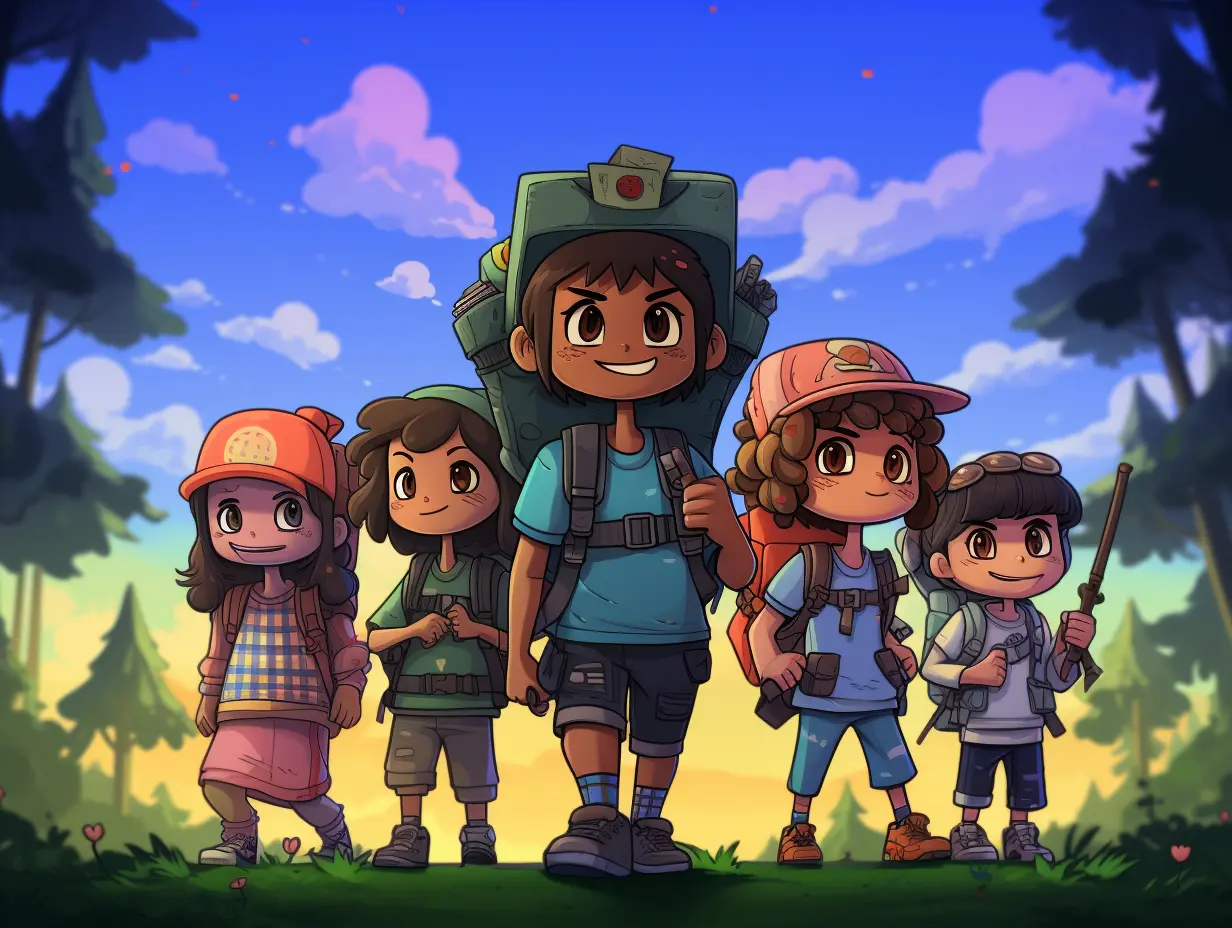
The Psychology Behind Survivalism and Why It Matters
Survivalism is more than just a trend; it's a way of life deeply rooted in the psychology of self-preservation. According to psychological theories, humans have an inherent need to feel safe and secure. For some, this manifests as an obsession with being prepared for worst-case scenarios.
Take, for example, the case of Julie, an Artisan (ISTP). When a severe hurricane hit her town, her preparedness made all the difference. While others were scrambling for basic necessities, Julie had a stocked pantry, emergency water supplies, and a generator ready to go. Her proactive approach stems from a deep-seated motivation to be autonomous and self-reliant.
Unlike impulsive behaviors driven by fear, survivalism is a calculated and methodical approach to uncertainty. Some MBTI types embody this mindset more than others, and their unique characteristics make them particularly adept at survivalism.
The MBTI Types Most Likely to Become Survivalists
It's not just anyone who can seamlessly transition into the survivalist mindset. Here are the six MBTI types most likely to become survivalists and a brief explanation of why:
INTJ - Mastermind: Strategic Thinkers in Crisis Situations
INTJs are known for their analytical prowess and strategic mindset. They excel at anticipating potential crises and developing comprehensive plans to address them. With a natural inclination to think several steps ahead, they can assess risks and devise contingency plans that others might overlook. This foresight makes them exceptional survivalists, as they are always prepared for the unexpected.
Their ability to synthesize information allows them to stay calm during emergencies and make informed decisions quickly. INTJs often rely on data and research to inform their survival strategies, ensuring that every decision is backed by solid reasoning. In a survivalist context, their skills can manifest in various ways, such as:
- Creating detailed survival plans based on environmental assessments.
- Developing efficient resource management systems to maximize available supplies.
- Analyzing potential threats and devising appropriate responses.
ISTJ - Realist: Detail-Oriented Planners
ISTJs are recognized for their meticulous nature and commitment to thorough planning. Their practicality and attention to detail make them exceptional at preparing for emergencies and executing survival strategies. They approach survivalism with a systematic mindset, ensuring that every aspect of their plan is well thought out and actionable.
These individuals are diligent in their research and are likely to create extensive checklists and protocols to follow during a crisis. Their reliability and strong sense of duty mean they are prepared to take on responsibilities within a survival group, ensuring that all tasks are completed efficiently. Key strengths of ISTJs in survival situations include:
- Developing comprehensive inventories of supplies and equipment.
- Establishing clear roles and responsibilities within a team.
- Maintaining a disciplined approach to training and preparedness drills.
ISTP - Artisan: Hands-On Problem Solvers
ISTPs are the quintessential hands-on problem solvers, making them ideal candidates for survivalism. Their practical skills and ability to think on their feet allow them to adapt quickly to changing environments. ISTPs thrive in situations that require immediate action, and their resourcefulness often leads to innovative solutions in challenging circumstances.
In a survivalist context, ISTPs are likely to excel at building shelters, crafting tools, and troubleshooting mechanical issues. Their ability to remain calm under pressure enables them to assess situations rationally and make quick decisions. Key attributes of ISTPs in survival scenarios include:
- Proficiency in hands-on skills, such as woodworking, mechanics, or first aid.
- A knack for improvisation, allowing them to use available resources creatively.
- The ability to remain composed in high-stress situations, facilitating effective problem-solving.
ENTJ - Commander: Natural Leaders in Emergencies
ENTJs are born leaders, characterized by their decisive nature and ability to maintain composure in high-pressure situations. Their confidence and strategic thinking make them well-suited for survivalist roles where leadership is essential. ENTJs can quickly assess a situation, delegate tasks, and motivate others, ensuring that the group operates efficiently during a crisis.
Their strong organizational skills allow them to create structured plans that guide their team through emergencies. ENTJs are not only focused on survival but also on fostering a sense of unity and purpose within their group. Key strengths of ENTJs in survival contexts include:
- The ability to establish clear objectives and strategies for the group.
- Strong communication skills that facilitate collaboration and coordination.
- A proactive approach to problem-solving, ensuring that challenges are addressed swiftly.
INFJ - Guardian: Compassionate Protectors
INFJs are often driven by a deep desire to protect and nurture those around them. In survival situations, their focus on the emotional well-being of their group sets them apart as compassionate leaders. They approach survivalism with a holistic perspective, considering both practical needs and the psychological health of their companions.
These individuals are likely to be thorough in their preparations, ensuring that their group has everything needed not just for survival, but also for maintaining morale. INFJs often play a crucial role in fostering communication and support within their group, helping to create a resilient community. Key attributes of INFJs in survival scenarios include:
- A strong sense of empathy that allows them to understand and address group dynamics.
- The ability to create a supportive environment that encourages cooperation and trust.
- A focus on long-term sustainability, ensuring that resources are managed thoughtfully.
INTP - Genius: Innovative Thinkers and Problem Solvers
INTPs are known for their inventive minds and ability to think outside the box. Their intellectual curiosity drives them to explore unconventional solutions to complex problems, making them valuable assets in survival situations. INTPs thrive on challenges and are often motivated by the opportunity to experiment and innovate.
In a survivalist context, INTPs may focus on devising creative strategies that others might not consider. Their analytical skills allow them to assess situations from multiple angles and come up with unique solutions. Key strengths of INTPs in survival scenarios include:
- An ability to think critically and analyze information to develop effective plans.
- A penchant for experimentation, leading to innovative uses of tools and resources.
- Flexibility in their thinking, allowing them to adapt strategies as situations evolve.
MEET NEW PEOPLE
50,000,000+
DOWNLOADS
Potential Pitfalls In Survivalism
While the survivalist mindset has its benefits, it also comes with its own set of challenges. Here are some potential pitfalls and how to avoid them:
Over-Preparation
Too much of a good thing can be detrimental. Being overly prepared often leads to unnecessary stress and wasted resources. To avoid this, set realistic preparedness goals and review them periodically.
Isolation
Survivalism can lead to social isolation if taken to extremes. Make sure to maintain connections with friends and family to prevent losing touch with reality.
Paranoia
Constantly thinking about potential dangers can create a state of perpetual anxiety. Counterbalance this by engaging in activities that promote relaxation and well-being.
Misinformation
Relying on inaccurate sources can lead to poor preparedness choices. Always verify information through trusted channels to ensure your efforts are effective.
Complacency
Sometimes, being well-prepared can falsely lead one to think they are invincible. Remember that adaptability is key, and always keep an open mind to learning new skills and strategies.
Latest Research: The Integrity of Friendships Among Adults
Ilmarinen et al.'s study on the role of honesty and other personality traits in friendship formation among military cadets extends valuable lessons to the broader adult population. The research underscores the significance of shared values, particularly integrity, in establishing and maintaining meaningful adult friendships. This study illuminates the importance of aligning with individuals who not only share common interests but also uphold similar moral values, creating a trustworthy and supportive friendship dynamic.
For adults navigating various social contexts, the emphasis on integrity and honesty as foundational elements of friendship is a reminder of the qualities that foster lasting connections. The study encourages individuals to seek out friends who reflect their own ethical standards, facilitating relationships built on trust and mutual respect. Ilmarinen et al.'s insights into the similarity-attraction effects in friendship formation highlight the critical role of shared values in the development of deep, enduring friendships among adults.
FAQs
Why are certain MBTI types more inclined towards survivalism?
Certain MBTI types possess traits that make them naturally inclined towards meticulous planning, strategic thinking, and preparedness, all of which are hallmarks of survivalism.
How can you identify if you have a survivalist mindset?
You might have a survivalist mindset if you find yourself constantly planning for worst-case scenarios and taking proactive measures to ensure your safety and well-being.
Is survivalism a healthy mindset?
Survivalism can be healthy if balanced with other aspects of life. Overdoing it can lead to anxiety and stress, so it's essential to find a middle ground.
Can a non-survivalist become a survivalist?
Absolutely! Anyone can adopt survivalist practices by learning from those who have the mindset and gradually incorporating preparedness into their lifestyle.
What are some basic steps to get started with survivalism?
Start with simple measures like creating an emergency kit, learning basic survival skills, and developing an emergency plan for your family.
Final Thoughts: Embracing the Survivalist Mindset
Understanding which MBTI types are drawn to survivalism can offer valuable insights into why certain people find comfort in preparedness. It’s not just about being ready for disasters; it’s about finding peace of mind in a chaotic world. As you reflect on these points, consider what steps you can take to feel more secure and self-reliant in your own life. Whether you're a Mastermind, Realist, or any other type, there's always something to learn from the survivalist mindset. Happy preparing!