The 3 MBTI Types Most Likely to Thrive in a LARP Group
Finding a hobby that resonates with your personality can be challenging. Whether it's a weekend soccer game or a binge-watching session, the right activity can either energize you or leave you feeling drained. For some, traditional social activities just don't cut it, leaving them yearning for something more immersive and imaginative.
Imagine eagerly attending a social event, only to find yourself bored and disconnected. The characters, the plot, the intrigue of a compelling story—these are elements that few activities offer, but you crave them deeply. Feeling out of place can be frustrating, leaving you hunting for a deeper connection.
Luckily, Live-Action Role-Playing (LARP) groups provide an incredible outlet for imaginative minds. In this article, you'll discover the three MBTI personality types most likely to thrive in LARP groups. Let's solve your dilemma of finding an engaging and fulfilling hobby by diving into the world of LARP through the lens of your unique personality.
Why Personality Types Matter In LARP
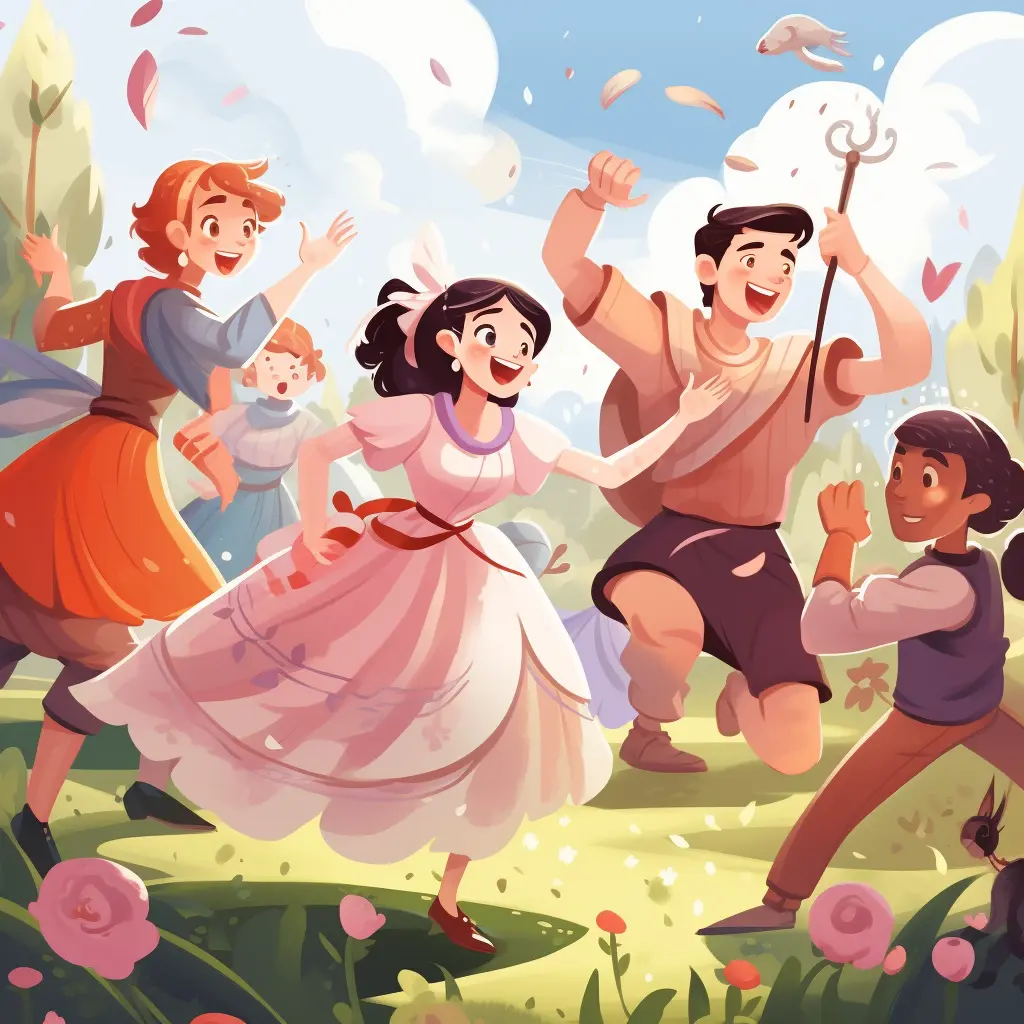
LARPing is more than just play-acting; it’s a vivid combination of storytelling, strategy, and creativity. If you're unfamiliar, Live-Action Role-Playing involves participants physically portraying characters within a fictional setting. The success of the game depends not only on individual performance but equally on group dynamics and interactions.
One could liken it to an improv theater with an element of adventure gaming. Imagine a team of diverse characters—the Hero, a born leader offering inspiration and direction; the Peacemaker, weaving stories that bring everyone together; and the Genius, constantly devising strategies to outwit opponents and solve puzzles. These personas aren't just random; they reflect specific personality types particularly suited to thriving in this unique environment.
Understanding your personality type can profoundly impact your enjoyment and effectiveness in a LARP group. The blend of psychological traits within a team can either elevate the experience, making it unforgettable, or lead to friction and frustration. Let's explore the three MBTI types likely to find LARPing not just enjoyable but deeply fulfilling.
The MBTI Types Who Shine In LARP
Get ready to dive into the world of MBTI and LARP. Here, we’ll explore the three personality types most at home in live-action role-playing games. These types bring unique strengths and qualities that help them excel in this imaginative and adventurous setting.
ENFP - Crusader: Imaginative and Enthusiastic Explorers
ENFPs are known for their boundless creativity and enthusiasm, making them natural fit for LARPing environments. Their extroverted nature allows them to easily connect with a diverse array of personalities, fostering collaboration and camaraderie. In LARP, they thrive on the opportunity to improvise and explore different narratives, often taking on multiple roles or creating unique storylines that captivate their fellow players.
In addition to their imaginative capabilities, ENFPs are highly adaptable. They can pivot between various character arcs and plot twists, keeping the game dynamic and engaging. Their strong emotional intelligence enables them to read the room, adjusting their performance to enhance the overall experience. This flexibility, combined with their ability to inspire others, makes them invaluable in group settings. Key strengths include:
- Natural charisma that draws others in
- Ability to create engaging narratives
- Strong improvisational skills
ISFP - Artist: Authentic Creators with Emotional Depth
ISFPs bring a unique artistic flair to LARPing, infusing their characters with emotional authenticity and depth. Their introverted nature allows them to observe and reflect on their environment, drawing inspiration from the world around them. In LARP, they excel at embodying their characters, often using body language and subtle gestures to convey complex emotions that resonate with other players.
The ISFP's strong sense of individuality often translates into visually stunning character designs, whether it’s through costumes, props, or makeup. They pay meticulous attention to detail, ensuring that every aspect of their character feels genuine and immersive. Their passion for creativity allows them to contribute significantly to the aesthetic and emotional aspects of the game. Highlights of their strengths include:
- Ability to create emotionally rich characters
- Strong attention to detail in character portrayal
- Capacity to enhance the overall atmosphere of the game
INTP - Genius: Strategic Thinkers and Problem Solvers
INTPs are analytical and logical thinkers who excel in the strategic elements of LARPing. Their innate curiosity drives them to dissect complex scenarios, making them adept at solving puzzles and navigating intricate plots. In a LARP setting, they often take on roles that require critical thinking and problem-solving skills, helping their team to overcome challenges and achieve objectives.
Their love for theory and abstract concepts allows INTPs to create unique character backstories and motivations that add layers to the gameplay. They thrive in environments where they can analyze the rules and mechanics of the game, often devising innovative strategies that can turn the tide in their favor. Some key traits include:
- Strong analytical skills for strategy development
- Ability to create complex character narratives
- Enjoyment of intellectual challenges within the game
Potential Pitfalls In LARP Group Dynamics
Joining a LARP group can be exciting, but it also has its own set of challenges. Here are some potential pitfalls you might encounter, along with strategies to overcome them:
Personality clashes
Different personality types can sometimes clash, leading to disagreements. Even the most imaginative and creative groups aren’t immune to conflict. Open communication and setting clear boundaries can help mitigate these issues.
Over-immersion
Some players might become too engrossed in their characters, leading to a blurring of reality and fiction. This can result in emotional exhaustion. Taking regular breaks and maintaining a balance between game time and real life can help.
Leadership struggles
Natural leaders can sometimes overpower the group dynamics. Ensuring that everyone has a say in decision-making processes helps maintain fairness and cooperation. Rotating leadership roles can also be beneficial.
Complexity overwhelm
Certain LARP scenarios can be incredibly complex, causing frustration among players who find it challenging to keep up. Simplifying the game rules and providing guidelines can help maintain a smooth flow.
Lack of preparation
Unprepared players can slow down the game, detracting from the overall experience. Setting aside time for character development and scenario planning ensures everyone is on the same page.
Latest Research: Integrity and Trust in Adult Social Networks
Ilmarinen et al.'s exploration of honesty and mutual liking in friendship formation among military cadets has broader implications for understanding adult friendships. The study's focus on shared values, especially honesty, highlights the foundational role these principles play in establishing trust and mutual respect within friendships. For adults, this research underscores the critical importance of building relationships with individuals who embody similar ethical standards, suggesting that such shared values are key to developing deep, meaningful connections that withstand the test of time.
The findings serve as a call to action for adults to prioritize honesty and integrity in their social interactions, fostering friendships that are built on a solid foundation of trust. By aligning with individuals who share similar values, adults can create a supportive social network that offers reliability, understanding, and mutual respect. Ilmarinen et al.'s insights into the dynamics of friendship formation provide valuable guidance for cultivating lasting friendships based on the core principles of honesty and integrity.
FAQs
What exactly is LARP?
LARP stands for Live-Action Role-Playing, an immersive activity where participants create and portray characters in a fictional setting. It's a blend of theater, gaming, and improvisational storytelling.
Are LARP groups beginner-friendly?
Absolutely! Many LARP groups welcome newcomers and provide guidance to help them acclimate. The key is to start with simpler scenarios and gradually move to more complex ones.
How do I find a LARP group near me?
Local community boards, social media groups, and dedicated LARP websites often list events and groups. It’s as simple as searching online or asking around in hobby stores.
Is LARPing expensive?
The cost can vary. Basic LARPing can be quite affordable, involving minimal equipment and costumes. More elaborate games and scenarios might require an investment in gear and props, but there are always budget-friendly options.
Can LARPing improve real-world skills?
Yes, it can! LARPing enhances skills like teamwork, problem-solving, leadership, and creativity. These experiences can be translated into both personal and professional settings.
Wrapping Up: Unlocking The Magic of LARP
In summary, Live-Action Role-Playing offers an unparalleled creative outlet, particularly for the Crusader, the Artist, and the Genius among us. Understanding the dynamics of your personality type within a LARP setting can profoundly enhance your experience. Dive into this immersive hobby, and you'll find not just a game but a transformative activity that enriches your life.
Being part of a LARP group offers a unique blend of imagination, strategy, and camaraderie. So, go ahead and let your personality shine—join a LARP group and discover a new world of adventure and creativity.