غیر روایتی مقامات پر فن پارے تخلیق کرنے کے لیے سب سے زیادہ ممکنہ 5 MBTI اقسام کا انکشاف
تصور کریں کہ آپ ایک گلی میں چل رہے ہیں جہاں مدھم، سرمائی دیواریں ہیں، اور اچانک آپ ایک زندگی سے بھرپور فن پارے کے ساتھ آ ٹکراتے ہیں۔ یہ آپ کو رکنے، سوچنے، اور شاید ایک تصویر لینے کے لیے بلاتا ہے۔ جبکہ ہم میں سے بہت سے لوگ ان غیر متوقع فنکارانہ حیرتوں کا بس لطف اٹھاتے ہیں، کیا آپ نے کبھی سوچا ہے کہ ان تخلیقات کے پیچھے کس خاص روحیں ہیں؟ اور، اس سے بھی زیادہ اہم بات یہ ہے کہ انہیں ایسے غیر روایتی مقامات کا انتخاب کرنے کی کیا ترغیب دیتی ہے؟ یہ جاننا مایوس کن ہو سکتا ہے کہ یہ فن پارے کہاں، کب، یا کیوں ظاہر ہوتے ہیں۔ یہ تجسس کبھی کبھی ہمیں اس فن سے منقطع محسوس کروا سکتا ہے جو خلا کو پاٹنے کا عزم رکھتا ہے۔
بہت سی شخصیت کی اقسام میں سے، کچھ غیر متوقع مقامات پر فن تخلیق کرنے کی فطری طور پر زیادہ میلان رکھتے ہیں، اپنی تخلیقی صلاحیتوں کو حیرت کے ساتھ ملا کر۔ یہ نفسیات اور شخصیت کا ایک امتزاج ہے جو نہ صرف ان فن پاروں کو ممکن بناتا ہے بلکہ انہیں معنی اور جذبے سے بھی بھر دیتا ہے۔ ان MBTI آرکیٹائپز کا مطالعہ کرنے سے ہمیں تخلیقیت اور شخصیت کے دلچسپ ملاپ میں بصیرت حاصل ہوتی ہے۔
اس مضمون میں، ہم ان MBTI شخصیت کی اقسام کا انکشاف کریں گے جو سب سے زیادہ ممکنہ طور پر ہمارے سڑکوں، پارکوں، اور غیر متوقع شہری کینوسوں کو اپنے فن سے زینت بخشیں گے۔ ہم ان کی ترغیبات، منفرد خصوصیات، اور اس بات کا جائزہ لیں گے کہ انہیں کس چیز نے عام مقامات کو غیر معمولی تجربات میں تبدیل کرنے پر مجبور کیا۔
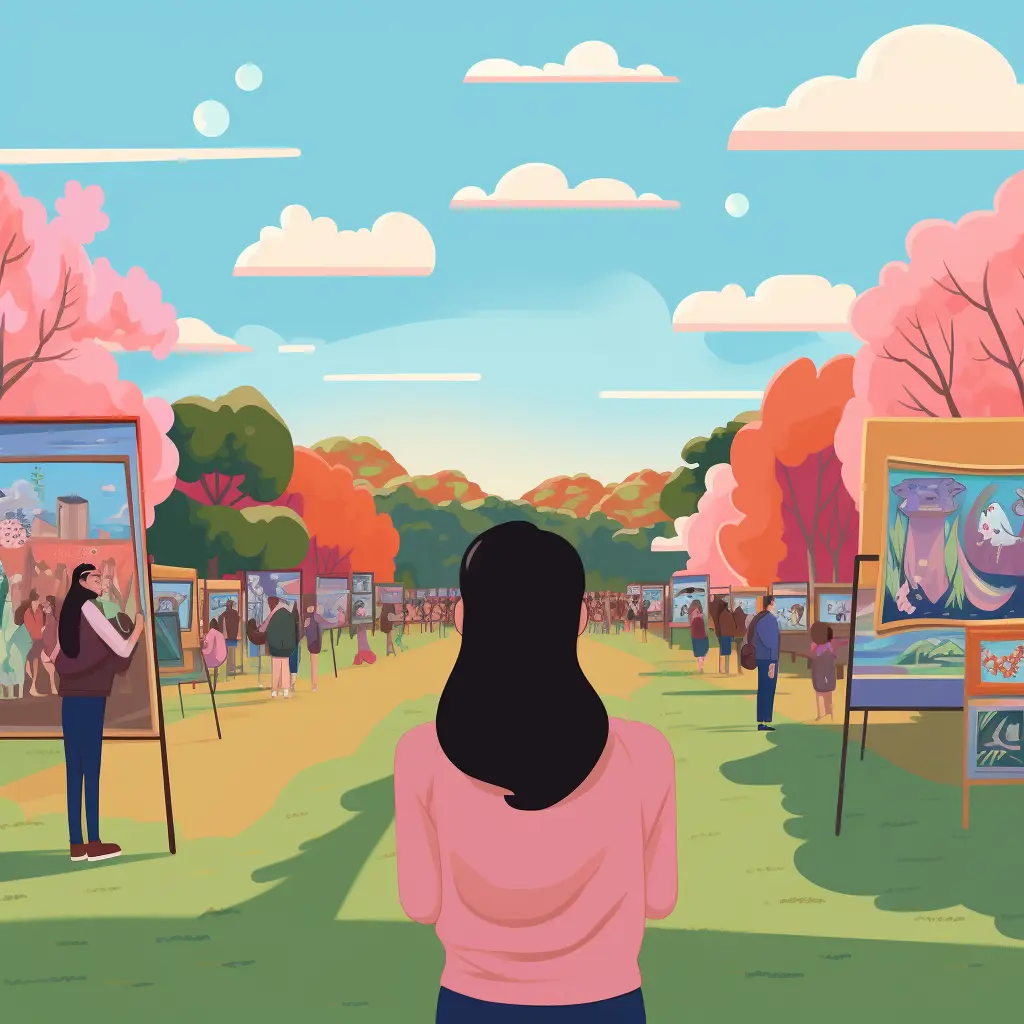
نفسیات اور تخلیقیت کا ملاپ
کچھ MBTI قسمیں کیوں غیر معمولی مقامات پر آرٹ انسٹالیشن کرنے کی طرف مائل ہیں، یہ سمجھنے کے لیے ہمیں نفسیات اور تخلیقیت کی دنیا میں کچھ گہرائی میں جانا پڑے گا۔ ہماری شخصیات نہ صرف یہ طے کرتی ہیں کہ ہم دنیا کے ساتھ کیسے تعامل کرتے ہیں بلکہ یہ بھی بتاتی ہیں کہ ہم خود کو کیسے ظاہر کرنے کا انتخاب کرتے ہیں۔ تخلیقی اظہار، خاص طور پر غیر معمولی مقامات پر، اکثر عام کو توڑنے اور لوگوں کے ساتھ غیر متوقع طریقوں سے جڑنے کی خواہش سے جنم لیتا ہے۔
مثال کے طور پر، Guardian (INFJ) کو لیجیے۔ ان کی ہمدردی اور بصیرت کا منفرد امتزاج اکثر انہیں ایسا فن تخلیق کرنے کی طرف لے جاتا ہے جو عمیق پیغامات کو منتقل کرتا ہے۔ ایک کہانی جو نمایاں ہے وہ ایک INFJ فنکار کی ہے جس نے ایک چھوٹے قصبے میں چھپے ہوئے murals کا ایک سلسلہ تخلیق کیا۔ ہر mural نے کمیونٹی کی تاریخ کے پہلوؤں کو پیش کیا، ان مشترکہ کہانیوں اور چھپی ہوئی موتیوں کے ذریعہ قصبے کے لوگوں کو متحد کیا۔
چیں ایک بات یہ ہے کہ یہ فنون کی کوششیں صرف فن کے بارے میں نہیں ہیں بلکہ ایک جذباتی اور نفسیاتی اثر پیدا کرنے کے بارے میں ہیں۔ غیر متوقع مقامات ایک اہم، عموماً مشترکہ تجربے کے لیے اسٹیج کا کام کرتے ہیں، جس سے آرٹ انسٹالیشن نہ صرف بصری طور پر متاثر کن ہوتی ہیں بلکہ گہرائی سے معنی خیز بھی ہوتی ہیں۔
منفرد مقامات میں فن کی تنصیبات کے لئے اعلیٰ MBTI اقسام
اب جب کہ ہم غیر متوقع مقامات پر فن کے پیچھے کی نفسیات کو سمجھ چکے ہیں، تو آئیے MBTI اقسام میں غوطہ زن ہوں جو اس منفرد اظہار کے اس انداز میں مہارت حاصل کرنے کے سب سے زیادہ امکانات رکھتے ہیں۔ یہ تخلیقی روحیں عام مقامات کو عالمی جادوئی گوشوں میں تبدیل کرنے کا شوق رکھتی ہیں۔
Crusader (ENFP): زندہ دل اور تبدیلی کے حامل مقامات
ENFPs اپنے متعدی جوش و خروش اور تخلیقی روح کے لئے جانے جاتے ہیں، جو انہیں فن کی تنصیب کے میدان میں قدرتی رہنما بناتا ہے۔ ان کے فنونِ لطیفہ اکثر روایتی اصولوں سے آزاد ہونے کی خواہش کی عکاسی کرتے ہیں، جس کے نتیجے میں ایسی تنصیب بنتی ہیں جو نہ صرف توجہ حاصل کرتی ہیں بلکہ سوچنے پر بھی مجبور کرتی ہیں۔ ENFPs وہ ماحول پسند کرتے ہیں جو فوری دریافت اور اظہار کی اجازت دیتے ہیں، اکثر ایسے مقامات کا انتخاب کرتے ہیں جو غیر متوقع یا نظر انداز کیے گئے ہوں۔ ان کا کام رنگ اور شکل کے کھیلنے والے استعمال کی خصوصیت رکھتا ہے، جس کا مقصد ناظرین میں خوشی، حیرت، یا گہرے غور و فکر کو بیدار کرنا ہوتا ہے۔
جب بات ENFPs کے لئے موزوں مقامات کی ہوتی ہے، تو وہ زندہ دل شہری ماحول، سرسبز پارکوں، یا یہاں تک کہ چھوڑے ہوئے مقامات کی طرف جھکاؤ رکھتے ہیں جو تخلیقی چھڑکاؤ سے فائدہ اٹھا سکتے ہیں۔ وہ اکثر گزرنے والوں کو مشغول کرنے کے لئے تفاعلی عناصر کا استعمال کرتے ہیں، انہیں فن پارے کا حصہ بننے کی ترغیب دیتے ہیں۔ مقصد یہ ہے کہ ایسا تجربہ تخلیق کیا جائے جو تجسس کو جلا بخشے اور مکالمے کی دعوت دے، روزمرہ زندگی کو جادوئی محسوس کروائے۔
ENFP فن تنصیبات کی اہم خصوصیات میں شامل ہیں:
- چمکدار رنگوں اور متحرک شکلوں کا استعمال
- تفاعلی اور مشغول کرنے والے عناصر
- خوشی، دریافت، اور جذباتی گہرائی کے موضوعات
Guardian (INFJ): غور و فکر اور مقصد پر مبنی تنصیبات
INFJs فن کے ساتھ ایک گہرے مقصد کے احساس کے ساتھ نزدیک ہوتے ہیں، اکثر اپنے کام کے ذریعے عمیق پیغام پہنچانے کی کوشش کرتے ہیں۔ ان کی تنصیبات جذباتی طور پر چارج شدہ ہوتی ہیں اور غور و فکر کی تحریک دینے کے لیے ڈیزائن کی گئی ہیں، جو ناظرین کو رکنے اور اپنے ارد گرد کی دنیا کے ساتھ مشغول ہونے کی ترغیب دیتی ہیں۔ INFJs ایسی جگہوں کی طرف مائل ہوتے ہیں جو اہمیت رکھتی ہیں یا غور و فکر کی چنگاری پیدا کرنے کی ممکنہ صلاحیت رکھتی ہیں، جیسے خاموش پارکس، تاریخی مقامات، یا کمیونٹی کی جگہیں جو تعلق اور غور و فکر کی دعوت دیتی ہیں۔
INFJs کے ذریعہ تخلیق کردہ فن اکثر علامتی اور پرت در پرت معانی پر مشتمل ہوتا ہے، جو ان کے پیچیدہ اندرونی جہانوں کی عکاسی کرتا ہے۔ وہ سماجی انصاف، انسانی تعلقات، اور وجودی سوالات کی جانچ کے حوالے سے موضوعات پر توجہ دینا پسند کرتے ہیں۔ تنصیبات میں ایسے عناصر شامل ہو سکتے ہیں جو ناظرین سے بات چیت کرنے یا مکالمہ کرنے کا تقاضا کرتے ہیں، جس سے پہنچائے جانے والے پیغام کی مزید گہرائی سے سمجھنے کی ترغیب ملتی ہے۔
INFJ فن تنصیبات کے اہم پہلو شامل ہیں:
- جذباتی طور پر متاثر کن موضوعات اور پیغام
- علامتی اور پرت در پرت معانی
- ایسی جگہیں جو غور و فکر اور تعلق کی دعوت دیتی ہیں
ماسٹر مائنڈ (INTJ): اسٹریٹیجک اور تصوری جگہیں
INTJ اپنے تجزیاتی ذہن اور تخلیقی سوچ کے اسٹریٹیجک طریقے کے لئے مشہور ہیں۔ ان کے فن کے نصب العین انتہائی منصوبہ بند ہوتے ہیں اور اکثر کئی معنی کی تہوں کو ظاہر کرتے ہیں، ناظرین کو کام کے ساتھ گہرے ذہنی سطح پر مشغول ہونے کا چیلنج دیتے ہیں۔ INTJ ایسی جگہیں پسند کرتے ہیں جو سوچ و بچار کی ترغیب دیتی ہیں، جیسے گیلریاں، تعلیمی ادارے، یا یہاں تک کہ غیر روایتی جگہیں جو تنقیدی سوچ کی حوصلہ افزائی کرتی ہیں۔
INTJ کے ذریعہ بنائی گئی تنصیب عموماً ڈیزائن اور تعمیراتی عناصر کو شامل کرتی ہیں، جو ان کی درستگی اور ساخت کی قدردانی کی عکاسی کرتی ہیں۔ وہ اپنے خیالات کو منتقل کرنے کے لئے غیر روایتی مواد یا طریقے استعمال کر سکتے ہیں، روایتی فن کی شکلوں کی سرحدوں کو دھکیلتے ہیں۔ INTJ اپنی تخلیقات کو ذہنی طور پر دلچسپ بنانے کے چیلنج میں خوش ہوتے ہیں، اکثر فلسفیانہ تصورات یا سماجی تنقیدوں کا استعمال کرتے ہوئے۔
INTJ فن کی تنصیب کی اہم خصوصیات میں شامل ہیں:
- تفصیلی منصوبہ بندی اور عمل درآمد
- تصوری گہرائی اور ذہنی مشغولیت
- غیر روایتی مواد اور طریقوں کا استعمال
فنکار (ISFP): خام اور بغیر فلٹر کی خوبصورتی
ISFPs دنیا کے ارد گرد کی خوبصورتی کے ساتھ گہرائی سے جڑے ہوئے ہوتے ہیں، اور ان کی فن کی تنصیبات ان کی خواہش کو ظاہر کرتی ہیں کہ وہ اس نظر کو دوسروں کے ساتھ شیئر کریں۔ وہ اکثر قدرت اور روزمرہ کی زندگی میں ترغیب پاتے ہیں، ایسے مقامات تلاش کرتے ہیں جو ان کے ارد گرد کی خام، بغیر فلٹر کی خوبصورتی کو اجاگر کرتے ہیں۔ ISFPs ایسے مقامات کی طرف مائل ہوتے ہیں جو ذاتی اظہار اور جذباتی تعلق کی اجازت دیتے ہیں، جیسے مناظر، شہری ماحول، یا مصروف شہروں کے خاموش کونے۔
ISFPs کی طرف سے تخلیق کردہ فن اکثر زندگی کی سادہ چیزوں کے لیے حیرت اور تعریف کا احساس پیدا کرتا ہے۔ ان کی تنصیبات اکثر قدرتی عناصر یا مواد کو شامل کرتی ہیں، جو ماحول کے ساتھ بے داغ طور پر ملتی ہیں۔ ISFPs اپنے کام میں جذباتی گونج اور صداقت کو ترجیح دیتے ہیں، ناظرین کو اپنے احساسات اور اپنے ارد گرد کی دنیا کے ساتھ جڑنے کے ایک ذریعہ کے طور پر فن کا تجربہ کرنے کی دعوت دیتے ہیں۔
ISFP فن کی تنصیبات کے کلیدی عناصر میں شامل ہیں:
- قدرتی خوبصورتی اور سادگی پر توجہ
- قدرتی مواد اور اشکال کا استعمال
- جذباتی گونج اور ذاتی اظہار
Performer (ESFP): متحرک اور تعاملاتی تجربات
ESFPs پارٹی کی جان ہیں، اور ان کے فن کے انسٹالیشن ان کی متحرک شخصیات اور حسی تجربات کی محبت کی عکاسی کرتے ہیں۔ وہ متحرک ماحول میں فروغ پاتے ہیں اور اکثر ایسے مقامات کا انتخاب کرتے ہیں جو تعامل اور مشغولیت کی اجازت دیتے ہیں، معمولی جگہوں کو متحرک نمائشوں میں تبدیل کرتے ہیں۔ ESFPs ایسے مقامات کی طرف مائل ہوتے ہیں جہاں لوگوں کی بڑی تعداد ہو، جیسے بازار، تہوار، یا عوامی چوک، جہاں ان کا کام ایک متنوع ناظرین کو دلکش اور توانائی فراہم کر سکتا ہے۔
ESFPs کے ذریعہ تخلیق کردہ انسٹالیشنز اکثر رنگین، کھیلنے کے انداز میں، اور حرکت سے بھرپور ہوتی ہیں، جو ناظرین کو تجربے میں شامل ہونے کی دعوت دیتی ہیں۔ وہ ممکنہ طور پر پرفارمنس کے عناصر، موسیقی، یا تعاملاتی اجزاء شامل کر سکتے ہیں جو سامعین کی شمولیت کی حوصلہ افزائی کرتے ہیں۔ مقصد ایک خوشی اور جشن کا ماحول پیدا کرنا ہے، جہاں فن ایک مشترکہ تجربہ بن جاتا ہے جو تعلق اور لطف اندوزی کو فروغ دیتا ہے۔
ESFP فن کے انسٹالیشنز کی اہم خصوصیات میں شامل ہیں:
- چمکدار رنگ اور متحرک اشکال
- تعاملاتی اور مشغولیت کے عناصر
- خوشی، جشن، اور حسی تحقیق کے موضوعات
نئے لوگوں سے ملیں
50,000,000+ DOWNLOADS
غیر روایتی مقامات پر فن تنصیب کرنے کے ممکنہ نقصانات
جبکہ غیر متوقع مقامات پر فن تخلیق کرنے کا خیال دلچسپ ہے، لیکن اس کے ساتھ کچھ نقصانات بھی ہیں جن کا خیال رکھنا ضروری ہے۔ یہاں کچھ عام چیلنجز اور ان سے مؤثر طور پر نمٹنے کے طریقے دیئے گئے ہیں۔
قانونی مسائل
اجتماعی یا نجی جگہوں پر بغیر اجازت آرٹ کی تنصیبات لگانے سے قانونی مسائل پیدا ہو سکتے ہیں۔ اس بات کو یقینی بنائیں کہ آپ کے پاس ضروری اجازت نامے ہیں اور مقامی قواعد و ضوابط کو سمجھتے ہیں قبل اس کے کہ آپ اپنے فن کی راہ پر نکلیں۔
وینڈلزم اور نقصان
باہر کی تنصیبات وینڈلزم اور موسم کے نقصان کے شکار ہوتی ہیں۔ پائیدار مواد کا استعمال کریں اور حفاظتی تدابیر پر غور کریں، لیکن اس بات کے امکان کے لئے ذہنی طور پر تیار رہیں کہ آپ کا کام تبدیل یا تباہ ہو سکتا ہے۔
عوامی پذیرائی
ہر کوئی آپ کے فن کی قدر نہیں کر سکتا، اور کچھ اسے مداخلت کرنے والا یا بے ادبی سمجھ سکتے ہیں۔ کمیونٹی کی اقدار اور جذبات کے بارے میں سوچیں، اور اپنے تنصیبات کو اس انداز میں ڈیزائن کریں کہ وہ مثبت ردعمل پیدا کر سکیں۔
دیکھ بھال
باہری یا غیر روایتی تنصیبات کی دیکھ بھال کرنا چیلنجنگ ہو سکتا ہے۔ وقفے وقفے سے دیکھ بھال کے لیے منصوبہ بنائیں اور اپنے کام کو وقت کے ساتھ اچھے حالت میں رکھنے کے لیے ایک حکمت عملی تیار کریں۔
مالی پابندیاں
آرٹس کے مواد مہنگے ہو سکتے ہیں، خاص طور پر بڑے پیمانے پر تنصیبات کے لیے۔ دانشمندی سے بجٹ بنائیں اور متبادل، ری سائیکل مواد پر غور کریں تاکہ تخلیقیت کے بغیر خرچوں کو کم کیا جا سکے۔
تازہ ترین تحقیق: مشترکہ دلچسپیاں اور ڈیجیٹل دوستی کی تشکیل
Han et al. کا آن لائن سوشل نیٹ ورکس میں دوستی کی تشکیل کی روایات پر مطالعہ یہ ظاہر کرتا ہے کہ مشترکہ دلچسپیاں لوگوں کو ڈیجیٹل جگہوں پر اکٹھا کرنے میں کس طرح کردار ادا کرتی ہیں۔ یہ تحقیق اس بات پر روشنی ڈالتی ہے کہ جن صارفین کی دلچسپیاں مشابہ ہوتی ہیں وہ دوستی کے قیام کا زیادہ امکان رکھتے ہیں، خاص طور پر جب وہ آبادیاتی خصوصیات کا اشتراک کرتے ہیں یا جغرافیائی طور پر قریب ہوتے ہیں۔ بالغوں کے لیے، یہ مطالعہ آن لائن پلیٹ فارمز کی اس صلاحیت کو اجاگر کرتا ہے کہ وہ سوشل سرکلز کو وسعت دینے اور ایسے کمیونٹیز تلاش کرنے کے لیے قیمتی ٹولز کے طور پر کام کر سکتے ہیں جہاں مشترکہ جذبات معنی خیز دوستیوں کی طرف لے جا سکتے ہیں۔
نتائج یہ تجویز کرتے ہیں کہ ڈیجیٹل ماحول بالغوں کے لیے دوسروں کے ساتھ جڑنے کے منفرد مواقع فراہم کرتے ہیں جو ان کی دلچسپیاں مشترک کرتے ہیں، چاہے جسمانی فاصلے کچھ بھی ہوں۔ یہ تحقیق افراد کو آن لائن کمیونٹیز اور پلیٹ فارمز کے ساتھ فعال طور پر مشغول ہونے کی ترغیب دیتی ہے تاکہ ایسی دوستیوں کو پروان چڑھایا جا سکے جو ان کے قریب کی جسمانی ماحول میں ممکن نہیں ہیں، اور تعلقات کے قیام اور گہرائی میں مشترکہ دلچسپیوں کی اہمیت کو اجاگر کرتی ہے۔
آن لائن سوشل نیٹ ورکس میں مشابہ لوگوں، مشابہ دلچسپیوں کی تحقیقات؟ بحیثیت Han et al. ہماری سمجھ کو بڑھاتا ہے کہ جدید ٹیکنالوجی سوشل تعلقات کو کس طرح متاثر کرتی ہے، اس بات کا مظاہرہ کرتے ہوئے کہ مشترکہ دلچسپیاں ڈیجیٹل دوستیوں کو فروغ دینے میں کتنی طاقتور ہیں۔ دیجیتال دور میں دوستی کی تشکیل کے طریقہ کار کو دریافت کرکے، یہ مطالعہ سوشل تعلقات کے ترقی پذیر منظرنامے کے بارے میں بصیرت فراہم کرتا ہے، اور مشترکہ دلچسپیوں کی بنیاد پر معاون اور متحرک کمیونٹیز کی تعمیر میں آن لائن پلیٹ فارمز کے اہم ہونے کو اجاگر کرتا ہے۔
اکثر پوچھے جانے والے سوالات
کچھ MBTI اقسام کیوں غیر روایتی فن کے مقامات کو ترجیح دیتی ہیں؟
کچھ MBTI اقسام جذباتی ردعمل پیدا کرنے اور اصولوں کو چیلنج کرنے کی کوشش کرتی ہیں، غیر روایتی مقامات کو اپنے اظہار اور اکثر سوچنے پر مجبور کرنے والے فن کے لیے بہترین کینوس سمجھتی ہیں۔
میں اگر اس خیال سے متاثر ہوں تو آرٹ انسٹالیشنز بنانا کیسے شروع کر سکتا ہوں؟
ایسی جگہوں کی نشاندہی کریں جو آپ کے ساتھ گونجتی ہوں۔ پھر، اس پیغام پر غور کریں جو آپ اپنے فن کے ذریعے پہنچانا چاہتے ہیں اور مواد کی تلاش کریں جو آپ کے وژن کو حقیقت میں بدلنے میں مدد کر سکے۔
کیا ان تنصیبات کو بنانے کے لیے رسمی فن کی تربیت حاصل کرنا ضروری ہے؟
نہیں، فن کی تنصیبات کی خوبصورتی ان کی شمولیت میں ہے۔ اگرچہ رسمی تربیت تکنیکوں کو بہتر بنا سکتی ہے، تخلیقیت اور جذبہ واقعی میں مؤثر تنصیبات کے پیچھے کے حقیقی محرک ہیں۔
کچھ مشہور غیر روایتی فن تنصیبات کی مثالیں کیا ہیں؟
مثالوں میں بینکسی کی سٹریٹ آرٹ، کرسٹو اور جین کلاڈ کا "دی گیٹس" سینٹرل پارک میں، اور یاوئی کُساما کا "نرکِسیس گارڈن" شامل ہیں، جو ابتدائی طور پر وینس بینالی میں ایک غیر مجاز تنصیب تھی۔
فن کی تنصیبات غیر روایتی مقامات پر کمیونٹی کے لئے کیسے فائدہ مند ہو سکتی ہیں؟
یہ نظر انداز کردہ علاقوں کو خوبصورت بنا سکتی ہیں، سوچنے پر مجبور کر سکتی ہیں، کمیونٹی کی تعامل کو بڑھا سکتی ہیں، اور حتیٰ کہ سوشل مسائل کو بھی حل کر سکتی ہیں—یہ سب کچھ فن کو وسیع تر سامعین کے لئے قابل رسائی بنانے کے دوران۔
الوداع اور تخلیق جاری رکھیں!
آخر میں، یہ واضح ہے کہ غیر روایتی مقامات پر فن تخلیق کرنے کا جذبہ ان شخصیت کی خصوصیات سے گہرائی سے جڑا ہوا ہے جو تخلیقی صلاحیت، حکمت عملی کی منصوبہ بندی، اور جذباتی اظہار کو ترجیح دیتی ہیں۔ ان MBTI اقسام کی منفرد جھکاؤ کو سمجھنے اور ان کی قدر کرنے سے، ہم ان کی فن کے طاقتور اثرات کے بارے میں بصیرت حاصل کرتے ہیں۔ تو اگلی بار جب آپ کو غیر متوقع فن کا ایک ٹکڑا ملے، تو کچھ لمحے نکالیے اور اس کے پیچھے موجود بصیرت پر غور کریں۔ اور کون جانتا ہے؟ شاید آپ بھی اپنی کچھ جادو تخلیق کرنے کے لیے متاثر ہوں گے، کسی اور کی معمول کی روزمرہ زندگی میں حیرت کا ایک چھوٹا سا عنصر شامل کرتے ہوئے۔ خوشی کے ساتھ تخلیق کریں!