The 5 MBTI Types Most Likely To Start a Microgreen Farm
Finding a sustainable and personally fulfilling hobby or small business can be a challenge. Many people yearn to combine their passion for nature, health, and independence into a meaningful venture. This desire often leads enthusiasts down the path of microgreen farming—a perfect blend of entrepreneurship and sustainability. But why do some people seem to gravitate toward this green-thumbed pursuit more than others? If you’ve ever wondered whether your personality type plays a role in this trend, you’re in the right place. In this article, we'll explore how five specific MBTI types are most compatible with starting and maintaining a microgreen farm.
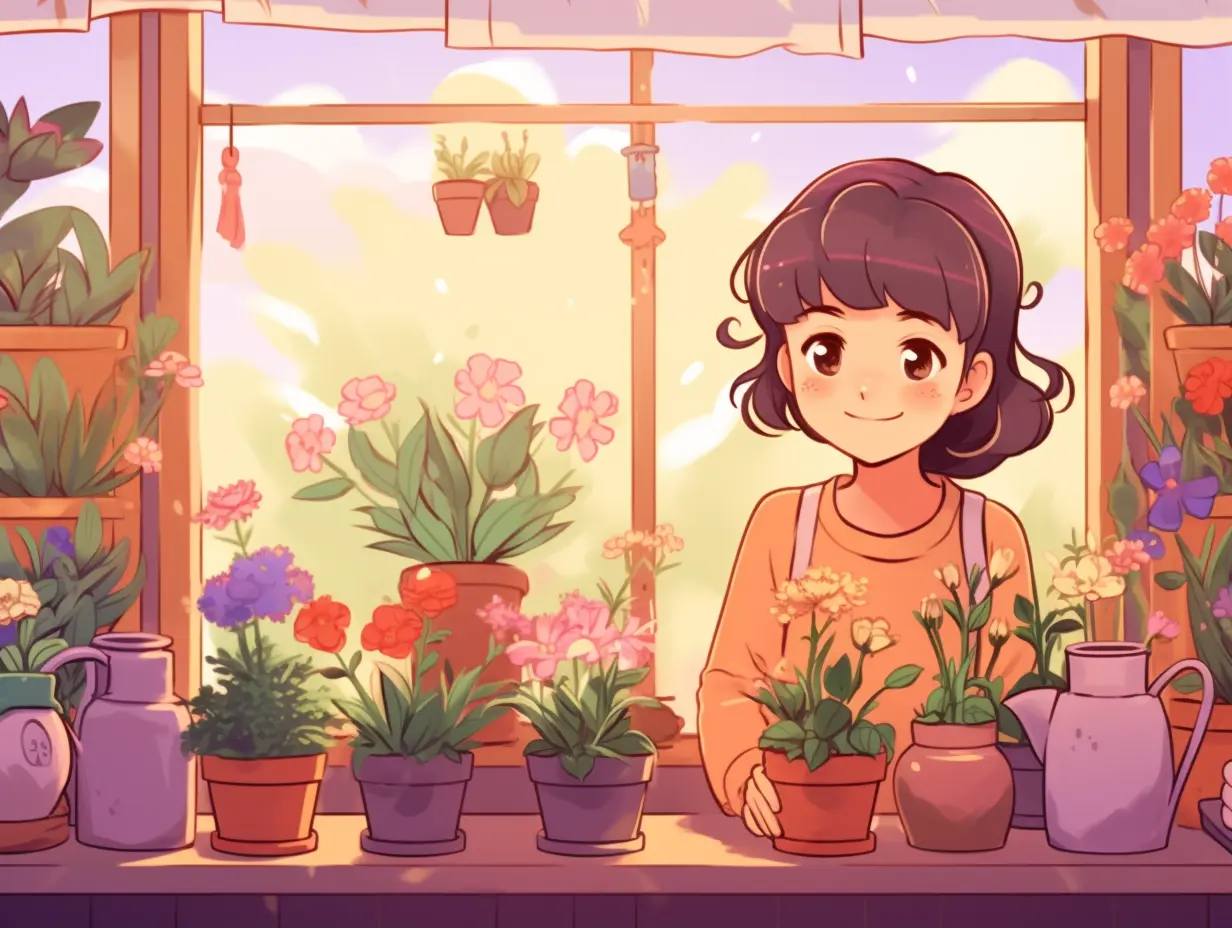
Why Personality Matters In Choosing A Microgreen Farm
Understanding why certain personality types are drawn to microgreen farming requires a dip into the psychology behind it. Our personality traits influence our interests, hobbies, and career choices more than we often realize. For instance, the personality theory known as Myers-Briggs Type Indicator (MBTI) categorizes people into 16 distinct types based on preferences such as introversion vs. extroversion and thinking vs. feeling.
To illustrate this, imagine Sarah, an INFJ (Guardian) who finds peace in nurturing plants and is drawn to the reflective and quiet nature of microgreen farming. Setting up a small farm in her backyard, Sarah can practice mindfulness and reduce stress levels. On the other hand, John, an ENTP (Challenger), might be attracted to the innovative and experimental aspects of growing microgreens, constantly seeking new ways to optimize yield and sustainability.
Top 5 MBTI Types Likely To Start a Microgreen Farm
Curious about which MBTI types are most inclined to delve into microgreen farming? Here’s a list of the top five, complete with insightful explanations as to why.
Guardian (INFJ) - Nurturing and Supportive
Guardians, known for their nurturing qualities, are often drawn to microgreen farming due to their deep-seated desire to create environments that foster growth and healing. Their empathetic nature makes them particularly attuned to the needs of plants and the environment. This personality type thrives in peaceful and solitary settings, which aligns perfectly with the tranquil atmosphere of a microgreen farm. The act of nurturing tiny greens not only satisfies their need to care for living things but also allows them to engage in a meaningful and fulfilling endeavor.
Microgreen farming offers Guardians an opportunity to connect with nature while also making a positive impact on their community. They often prioritize sustainability, seeking to provide fresh, organic produce that can enhance the health and well-being of those around them. Their strategic approach to problem-solving enables them to create effective farming systems that maximize yield while minimizing environmental impact. The introspective nature of this personality type allows them to reflect on their farming practices, leading to continuous improvement and innovation in their methods.
Mastermind (INTJ) - Strategic and Analytical
Masterminds are characterized by their logical and strategic thinking, making them well-suited for the challenges of microgreen farming. Their analytical minds thrive on optimizing systems, and they enjoy experimenting with different growing techniques to achieve the best results. This personality type is naturally inclined to research and analyze data, which can significantly enhance their farming practices. They are likely to delve into the science of plant growth, seeking to understand the optimal conditions for each variety of microgreen.
In microgreen farming, Masterminds can apply their skills in planning and organization to create efficient workflows and systems. They often enjoy setting measurable goals and assessing their progress, which can lead to impressive yields and successful farming ventures. The independence that comes with running a microgreen farm aligns with their preference for working alone or in small, focused teams. By leveraging their strategic mindset, Masterminds can innovate and refine their practices, ensuring that their farming methods are not only effective but also sustainable.
Artist (ISFP) - Creative and Sensory
Artists are known for their deep appreciation for aesthetics and the natural world, making microgreen farming an ideal outlet for their creativity. This personality type thrives on hands-on experiences, and the tactile nature of farming allows them to engage with the earth in a way that is both fulfilling and inspiring. Growing vibrant, tiny plants provides Artists with the opportunity to express their creativity, whether through designing visually appealing arrangements or experimenting with unique flavor profiles.
Microgreen farming also offers Artists a chance to connect with their surroundings and cultivate a sense of mindfulness. The process of nurturing plants can be a meditative experience, allowing them to escape the hustle and bustle of daily life. Additionally, the sensory experiences of working with soil, water, and plants can be incredibly rewarding for this personality type. By creating a microgreen farm, Artists can share their passion for beauty and sustainability with others, contributing to a healthier and more vibrant community.
Crusader (ENFP) - Enthusiastic and Inspirational
Crusaders are known for their enthusiasm and ability to inspire others, making them natural candidates for starting a microgreen farm. Their extroverted nature drives them to engage with their community and share their passions, and microgreen farming allows them to promote sustainable practices while providing fresh, organic produce. This personality type often seeks meaningful projects that align with their values, and the environmental benefits of microgreens resonate deeply with their desire for social change.
In addition to their passion for sustainability, Crusaders thrive on creativity and innovation. They are likely to experiment with various growing techniques and engage in community outreach, educating others about the benefits of microgreens. Their ability to connect with people can lead to collaborative efforts that enhance their farming venture, such as community-supported agriculture (CSA) programs or local farmers' markets. By combining their enthusiasm for farming with their commitment to making a difference, Crusaders can create a vibrant microgreen farm that inspires others to embrace healthier lifestyles.
Challenger (ENTP) - Innovative and Experimental
Challengers are characterized by their love for experimentation and pushing boundaries, making microgreen farming an exciting venture for this personality type. Their natural curiosity drives them to explore new ideas and methods, allowing them to continuously innovate and improve their farming practices. Microgreen farming provides an endless playground for experimentation, where they can test different growing conditions, varieties, and techniques to discover what works best.
This personality type thrives on challenges and is not afraid to take risks, which can lead to groundbreaking discoveries in their farming approach. Challengers often enjoy discussing their ideas with others, seeking feedback and collaboration to refine their methods further. Their adaptable nature allows them to pivot quickly when faced with obstacles, ensuring that their microgreen farm remains dynamic and responsive to changing conditions. By embracing their innovative spirit, Challengers can create a thriving microgreen farm that not only meets their goals but also inspires others to think outside the box in their agricultural endeavors.
MEET NEW PEOPLE
50,000,000+
DOWNLOADS
Potential Pitfalls In Starting A Microgreen Farm
Every venture comes with its own set of challenges, and microgreen farming is no exception. It's essential to be mindful of potential pitfalls to ensure long-term success.
Financial constraints
Starting a microgreen farm can require a substantial initial investment in equipment, seeds, and supplies. Planning a detailed budget and seeking financial advice early on can help mitigate these issues.
Time management
Maintaining a microgreen farm needs regular attention and care. It's easy to underestimate the time required. Creating a schedule and sticking to it will ensure that your plants receive the care they need.
Market research
Microgreens are a niche market, and not every community may be receptive. Conducting thorough market research before diving in can help you understand the demand in your area and tailor your product accordingly.
Environmental factors
Variables like temperature, humidity, and light are critical for successful microgreen farming. Understanding how to control and optimize these elements is crucial. Setting up proper environmental controls from the start can save a lot of headaches.
Burnout
The romantic notion of farming can sometimes overshadow the hard work involved. Ensuring you have a support system and perhaps delegating tasks where possible can help avoid burnout and keep the passion alive.
Latest Research: Fostering Digital Friendships Through Shared Interests
Han et al.'s study on the dynamics of friendship formation in online social networks sheds light on how shared interests and social features such as geographic proximity influence the likelihood of forming friendships in the digital realm. This research emphasizes the role of shared interests in bringing people together, highlighting the potential of online platforms to facilitate meaningful connections. The findings suggest that digital environments can serve as valuable spaces for adults to expand their social circles and find communities where they feel a sense of belonging.
The study encourages individuals to leverage online platforms to foster friendships based on common interests, emphasizing the importance of these connections in enhancing one's social life. Han et al.'s research offers insights into the ways digital friendships can complement and enrich our offline relationships, suggesting that the principles of shared interests and social connectivity apply both in the physical and digital worlds.
Exploring online social networks with Han et al. provides a comprehensive look at the formation of digital friendships, highlighting the intricate ways in which shared interests and other social factors contribute to the development of supportive and engaging online communities. This study enriches our understanding of modern friendships, offering guidance on how to navigate and cultivate meaningful connections in the age of social media.
FAQs
How do I know if microgreen farming is right for me?
Assess your interests and lifestyle. If you enjoy gardening, sustainability, and have the time to care for plants, microgreen farming could be a great fit.
What are the startup costs for a microgreen farm?
Startup costs can vary widely, but they generally range from a few hundred to several thousand dollars, depending on the scale of your operation.
Can microgreen farming be profitable?
Yes, with the right planning and market research, microgreen farming can be a profitable venture. Many farmers supply local restaurants and farmers markets.
What are the best microgreens to start with?
Common beginner-friendly microgreens include radish, sunflower, and pea shoots. They are relatively easy to grow and have a quick turnaround time.
How much time does microgreen farming take?
On average, you’ll need to spend about 1-2 hours a day on maintenance tasks such as watering, harvesting, and monitoring environmental conditions.
Cultivating Your Green Thumb and Beyond
Microgreen farming isn’t just a potential income source; it’s a journey toward self-discovery and sustainable living. By understanding your MBTI type, you can gain valuable insights into why this venture might be particularly fulfilling for you. Whether you're an INFJ finding peace among the plants or an ENTP thriving on constant innovation, the farm life holds unique rewards. So, dive in, get your hands dirty, and let these tiny greens open up a world of growth and possibilities.