Adventurous Souls: The 4 MBTI Types Most Likely To Go Backpacking Alone
Backpacking alone can be an intimidating prospect for many, but what if your very essence yearns for such solitary adventures? Perhaps you’ve had a nagging feeling that you're missing out on some life-defining solo experience, yet you hold back fearing the unknown. The good news is, certain personality types actually thrive on the challenges and introspection that come with solo backpacking. In this article, we’ll delve into the four MBTI types most likely to embrace going backpacking alone, helping you understand what makes them tick and how you might be more similar to them than you think.
Feeling the wanderlust yet not quite sure if a solo journey is right for you can be a dilemma. The idea of lone adventures might excite you one moment and terrify you the next. With societal norms often emphasizing companionship, the emotional stakes feel high when contemplating going it alone. The fear of loneliness, unpredictability, and potential mishaps can make you hesitate, even if your heart whispers of undiscovered paths and personal growth.
But what if we told you that you could not only face these fears but thrive in solitary exploration? This article is designed to help you identify which MBTI types are most inclined towards solo backpacking, offering insights and inspirations that might give you the confidence to embark on your own adventure.
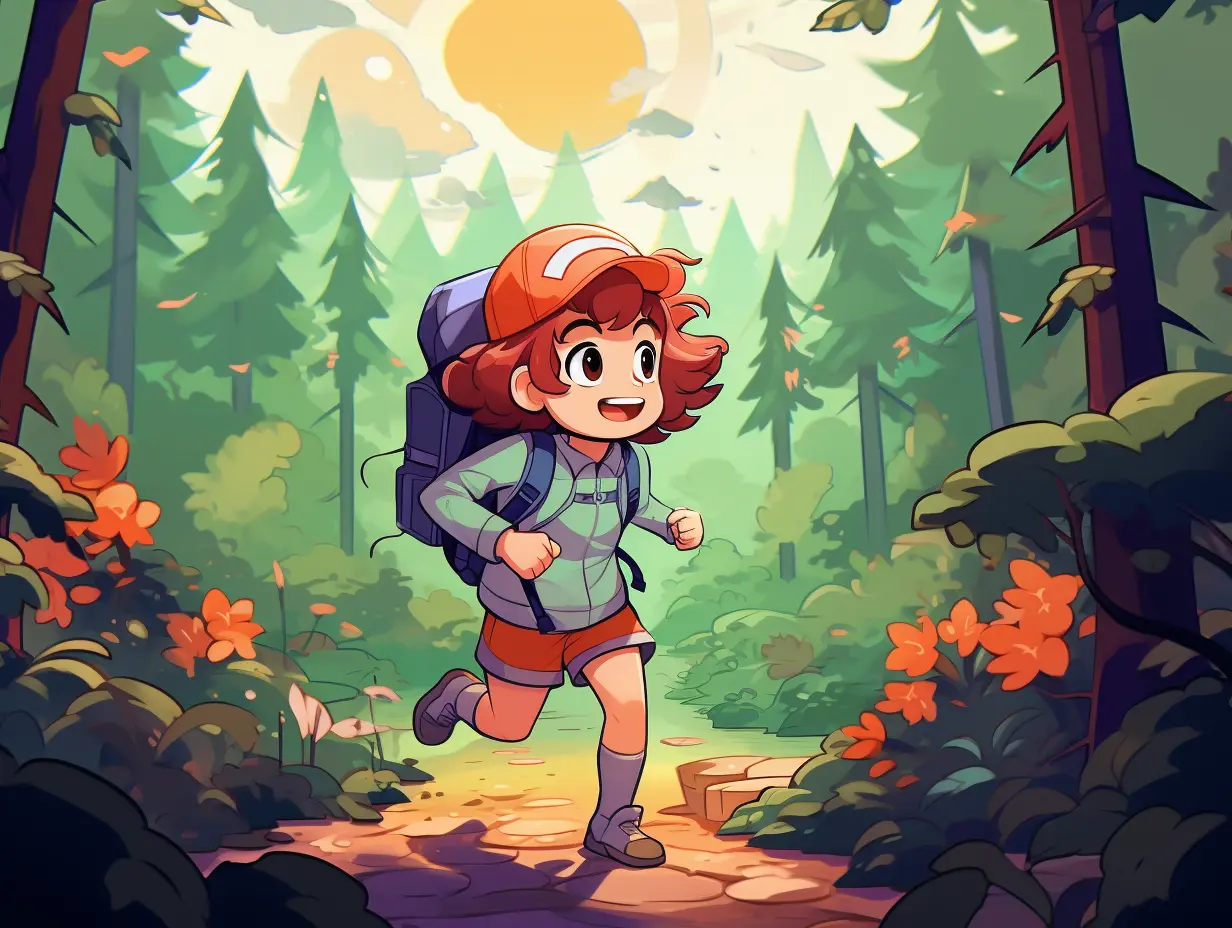
Why Understanding The Psychology Behind Solo Backpacking Matters
Understanding the psychology behind solo backpacking is essential. It’s not just about identifying the right kind of person but about learning what makes them tick. Most people who venture into the wild alone are driven by more than just wanderlust. In their minds, solo travel represents freedom, self-discovery, and a form of meditation. Take, for example, the Mastermind (INTJ). A true strategist at heart, they view solo backpacking as an opportunity to plan meticulously, but equally as a realm to escape the conventional boundaries life imposes.
Consider the Guardian (INFJ); their empathetic nature means they often seek solitude to recharge. Their journey is inward as much as outward. We’ll explore these intriguing types, helping you see how their innate traits lend perfectly to becoming a lone wanderer. As you journey through this article, keep an open mind. Perhaps you’ll find a bit of yourself in these descriptions, giving you the nudge you need to set off on your own solo backpacking trip.
The MBTI Types Most Likely To Go Backpacking Alone
It's not just about craving adventure. Solo backpacking suits certain MBTI types because it aligns with their core personality traits. Let's explore the MBTI types most likely to seize their backpack and hit the trails alone:
Mastermind (INTJ): Strategic Solitude in the Great Outdoors
INTJs are known for their analytical thinking and strategic planning, which makes them well-suited for solo backpacking adventures. Their natural inclination to organize and structure their experiences allows them to meticulously plan their trips, from mapping out trails to selecting the perfect gear. This level of preparation not only ensures a smoother journey but also provides INTJs with a sense of control and autonomy that they deeply value.
When backpacking alone, INTJs can immerse themselves in their thoughts, free from distractions. The solitude of nature allows them to reflect on their goals and aspirations, providing a unique opportunity for self-discovery and personal growth. They thrive in environments where they can engage their minds while also enjoying the peace that comes from being alone in the wilderness.
Key traits that make INTJs ideal solo backpackers:
- Strong organizational skills
- Ability to think critically and solve problems
- Preference for independence and solitude
Genius (INTP): Intellectual Exploration Amidst Nature
INTPs are naturally curious individuals who thrive on exploration and understanding the world around them. Solo backpacking offers them the perfect opportunity to combine their love for nature with their desire for intellectual stimulation. Being alone in the wilderness allows INTPs to engage in deep reflection and contemplation, often leading to new insights and creative ideas.
The freedom of solo travel suits the INTP's spontaneous nature, as they can adapt their plans on a whim, exploring new paths or lingering in beautiful spots that catch their interest. This flexibility fosters a sense of adventure, allowing them to embrace the unknown and satisfy their thirst for knowledge. The quiet of nature serves as a backdrop for their thoughts, enabling them to process complex ideas and theories without interruption.
Key traits that make INTPs ideal solo backpackers:
- Deep curiosity and desire for understanding
- Comfort with solitude and introspection
- Flexibility and adaptability in new situations
Peacemaker (INFP): Serene and Mild Climates for Self-Discovery
INFPs are driven by their inner values and ideals, making solo backpacking a profound experience for them. The solitude of nature provides a sanctuary for self-reflection and emotional exploration, allowing INFPs to connect with their core beliefs and feelings. They often seek out serene and mild climates, where they can find peace and inspiration in their surroundings.
In the wilderness, INFPs can engage in activities such as journaling or meditating, which help them process their thoughts and emotions. This time alone is essential for their personal growth, as it allows them to align their experiences with their values. The beauty of nature resonates with their artistic sensibilities, often leading them to create poetry, art, or music inspired by their journey.
Key traits that make INFPs ideal solo backpackers:
- Strong connection to personal values and ideals
- Desire for emotional exploration and self-discovery
- Appreciation for beauty and creativity in nature
Artist (ISFP): Freedom and Sensory Experiences in Nature
ISFPs are known for their spontaneity and love for sensory experiences, making them natural solo backpackers. They thrive in environments that allow them to express themselves freely and connect with the world around them. The opportunity to explore nature on their own terms is exhilarating for ISFPs, as it aligns with their desire for adventure and authenticity.
When backpacking alone, ISFPs can fully immerse themselves in the sights, sounds, and sensations of the outdoors. They often find inspiration in their surroundings, using their experiences to fuel their creativity. The freedom to choose their path allows them to embrace the moment, capturing the essence of their journey through photography, sketching, or writing. This connection to nature enhances their appreciation for life and deepens their understanding of themselves.
Key traits that make ISFPs ideal solo backpackers:
- Spontaneous and adventurous spirit
- Strong appreciation for sensory experiences
- Desire for personal expression and creativity in their travels
MEET NEW PEOPLE
50,000,000+
DOWNLOADS
Potential Pitfalls Of Solo Backpacking And How To Avoid Them
While solo backpacking can be incredibly rewarding, it also comes with its share of potential pitfalls. Being aware of these challenges can help you prepare better and ensure a safer, more enjoyable experience.
Lack of Preparation
One of the main pitfalls is lack of preparation. Embarking on a solo trip without proper planning can lead to various issues, from running out of supplies to getting lost. Make a detailed plan, research your route, and make sure you have all the necessary equipment.
Loneliness
Even the most introverted personalities can experience loneliness during solo adventures. It’s essential to bring along something that keeps your spirits up, be it a journal, a good book, or your favorite music. Staying connected with loved ones through periodic check-ins can also help.
Physical Challenges
Handling strenuous activities alone can be daunting. Proper physical conditioning before your trip can help you tackle challenging terrains. Prepare by hiking smaller trails and gradually increasing the difficulty.
Mental Resilience
The solitude can be mentally taxing. Practices such as mindfulness, meditation, or even keeping a positive mantra can help maintain mental resilience. Remember why you decided to go solo and keep your end goal in mind.
Safety Concerns
Safety is paramount. Always inform someone about your travel plans and expected return. Carrying a reliable communication device for emergency situations is crucial. Be aware of your surroundings and trust your instincts to avoid risky situations.
Latest Research: Introversion and Extroversion: Finding Your Match
According to a comprehensive YouGov survey, understanding the dynamics of introversion and extroversion is crucial in finding a suitable romantic match. The survey shows that individuals often pair up with partners who have similar levels of introversion or extroversion. For instance, a significant number of "completely extroverted" individuals have partners who are also highly extroverted, indicating a preference for similar social energy levels in relationships.
This trend suggests that when seeking a romantic partner, considering your own and your potential partner's social preferences can be key to compatibility. Extroverts might find greater satisfaction with partners who share their enthusiasm for social activities, while introverts might prefer partners who understand and appreciate their need for quieter, more intimate settings.
The survey data also indicates that there's room for diversity in social preferences within relationships. Some extroverts and introverts find fulfilling relationships with partners on the opposite end of the social spectrum. This diversity can create a dynamic where partners learn from and complement each other's social styles. When looking for a romantic match, it's valuable to consider both the similarities and differences in social energy that you and your potential partner might bring to the relationship.
FAQs
How do I know if solo backpacking is right for me?
Reflect on your motivations, personality traits, and previous experiences. Trial with shorter solo trips before committing to a longer backpacking adventure can also help you gauge your readiness.
What should I pack for a solo backpacking trip?
Essentials include a well-thought-out first aid kit, navigation tools, sufficient food and water, appropriate clothing, and shelter. Remember to consider weather conditions and terrain.
How can I ensure my safety while backpacking alone?
Inform a trusted person about your itinerary, carry emergency communication devices, and always trust your instincts. Avoid risky areas and always be aware of your surroundings.
What are the mental benefits of solo backpacking?
Solo backpacking can boost self-reliance, enhance problem-solving skills, and offer deep introspection. It also provides a unique opportunity to connect with nature on a personal level.
Which MBTI type should avoid solo backpacking?
While everyone can enjoy solo adventures, highly extroverted or socially-dependent types might find solo backpacking challenging. However, with adequate preparation and mindset, even they can grow to love it.
Reflect and Embark On Your Own Journey
Solo backpacking isn't just about exploring the world; it's about exploring yourself. Whether you identify with the Mastermind (INTJ), Genius (INTP), Peacemaker (INFP), or Artist (ISFP), the call of the wild offers unique rewards tailored to your innermost needs. Embrace the solitude, the challenges, and the profound growth that comes from blazing your own trail. In doing so, you'll not only uncover new landscapes but also discover untapped depths within yourself. Happy backpacking!