The 5 MBTI Types Most Likely to Enjoy Camping: Adventure Awaits!
Finding the perfect camping buddy can be a bit of a struggle. You dream of the perfect trip—sleeping under the stars, roasting marshmallows, and exploring nature’s beauty. But what if the wrong kind of friend joins you? The thought of your trip being ruined by someone who isn’t on the same page can be stressful. You don’t want to clash over activities, meals, or how to set up the tent. It’s enough to make you reconsider the whole venture.
But don't give up just yet! Imagine if you could predict which of your friends would truly enjoy and enhance the camping experience. The answer lies in understanding their personality types. That’s right, using the MBTI (Myers-Briggs Type Indicator), you can find out who’s naturally inclined to thrive in a camping environment. In this article, we’ll explore the five MBTI types most likely to enjoy camping, helping you ensure your next adventure is nothing short of magical.
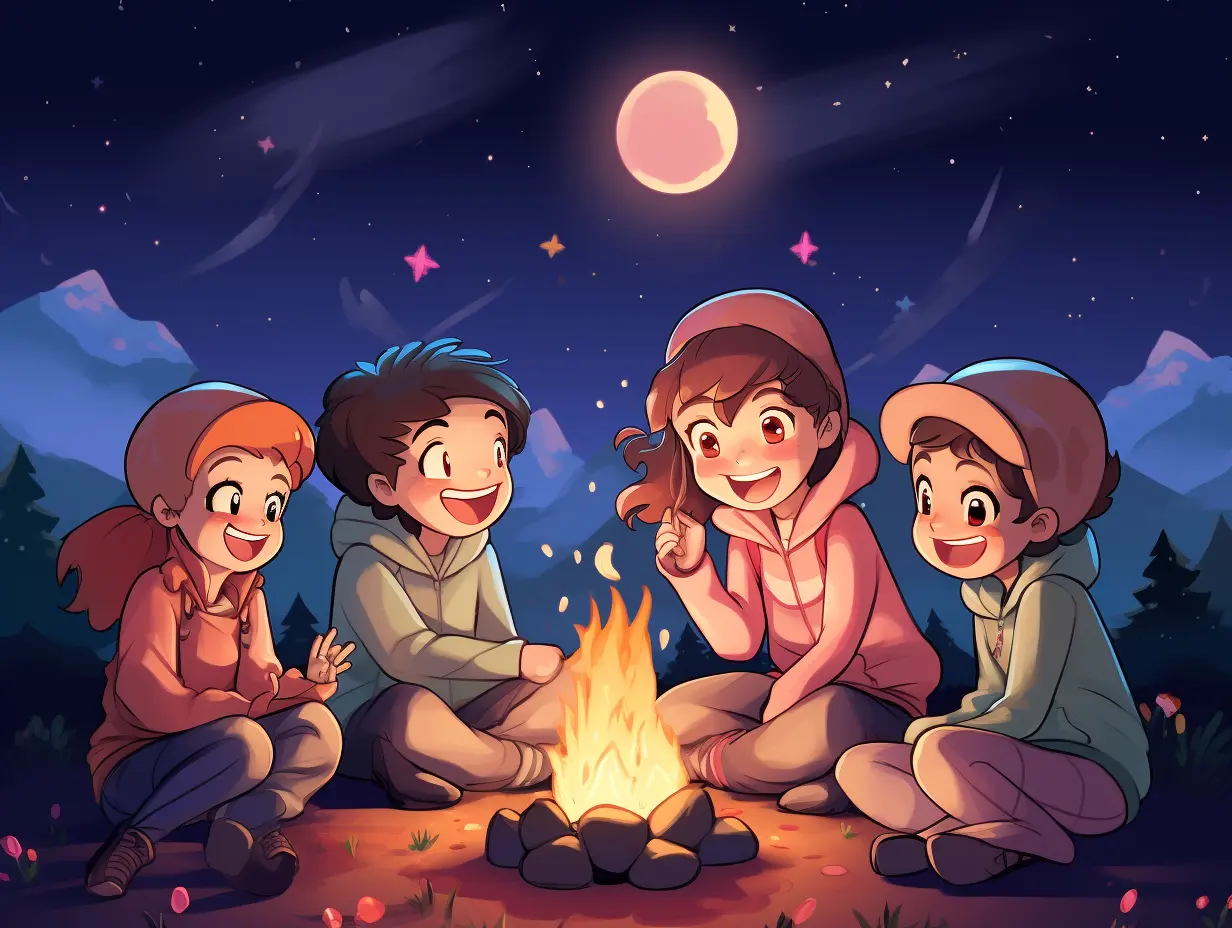
Understanding The Psychology Of Camping Enthusiasts
Camping is not just about escaping the hustle and bustle of city life; it's also about connecting with nature and discovering oneself. The psychology behind why certain people enjoy camping more than others can be fascinating. Think of camping as a microcosm where certain personality traits shine brighter.
Imagine the Crusader (ENFP) who relishes new experiences—whether it’s kayaking down a wild river or cooking a meal with foraged ingredients. They find joy in the spontaneity of camping. On the other hand, the Artist (ISFP) revels in the sensory experiences offered by nature, from the chirping of birds to the scent of pine. They find solace and inspiration in these natural retreats.
Psychologically, these camping enthusiasts are drawn by their innate need for exploration, relaxation, or even problem-solving in the wild. Understanding this can help you pinpoint who among your friends would revel in a camping trip, making your adventure both enjoyable and fulfilling.
Top 5 MBTI Types Most Likely To Enjoy Camping
When it comes to camping, specific MBTI types are more likely to thrive. These types possess inherent traits that make the great outdoors appealing.
Crusader (ENFP): Enthusiastic Adventurers
Crusaders, or ENFPs, are known for their boundless energy and zest for life. When it comes to camping, their adventurous spirit shines brightly as they seek out new experiences and connections with nature. They thrive in environments that allow them to explore, whether it's hiking through a forest, swimming in a lake, or trying out new outdoor activities. Their enthusiasm is contagious, often inspiring fellow campers to step outside their comfort zones and embrace the adventure.
Camping trips with ENFPs are often filled with spontaneity and creativity. They love to organize group activities, such as campfire storytelling or games that encourage everyone to participate. Their ability to connect with others makes them great facilitators of fun, ensuring that everyone feels included and engaged. Additionally, their natural curiosity drives them to learn about the environment, making them great companions for nature hikes or wildlife spotting excursions.
Artist (ISFP): Deep Appreciation for Nature
Artists, or ISFPs, possess a unique sensitivity to their surroundings. They find beauty in the small details of nature, from the intricate patterns of leaves to the vibrant colors of a sunset. Camping provides them with the perfect backdrop to immerse themselves in the natural world, allowing them to recharge and find inspiration. Whether they are painting, photographing, or simply enjoying the tranquility, ISFPs thrive in serene environments that encourage reflection and creativity.
These individuals often seek out camping spots that offer breathtaking views and peaceful settings. They are more likely to enjoy solitary moments, such as meditating by a river or sketching the landscape, rather than engaging in loud group activities. Their appreciation for simplicity makes them adept at finding joy in the little things, like the sound of rustling leaves or the warmth of a campfire. This deep connection to nature enhances their camping experience, allowing them to leave feeling refreshed and inspired.
Guardian (INFJ): Value Deep, Meaningful Experiences
Guardians, or INFJs, are introspective souls who cherish meaningful connections with both people and nature. Camping serves as a perfect opportunity for them to disconnect from the hustle and bustle of daily life and engage in self-reflection. They often choose remote or tranquil camping locations where they can immerse themselves in the environment and contemplate their thoughts and feelings. This solitude allows them to recharge emotionally and gain clarity on their life’s purpose.
In group settings, INFJs are likely to foster deep conversations around the campfire, encouraging others to share their thoughts and experiences. Their empathetic nature allows them to create a safe space for vulnerability, making the camping experience enriching for everyone involved. They also appreciate the opportunity to engage in activities that promote mindfulness, such as stargazing or journaling by a peaceful lake, which adds depth to their camping adventures.
Artisan (ISTP): Hands-On Problem Solvers
Artisans, or ISTPs, thrive in practical environments where they can engage their hands-on skills. Camping offers a plethora of opportunities for these individuals to showcase their resourcefulness, whether it's setting up a tent, building a campfire, or preparing meals outdoors. They enjoy the challenge of solving practical problems that arise during camping trips, such as navigating trails or repairing gear, which keeps their minds sharp and engaged.
ISTPs often prefer a more adventurous camping experience that includes activities like hiking, fishing, or rock climbing. Their love for adrenaline and spontaneity makes them the go-to person for planning exciting excursions, ensuring that the trip is filled with action. They also appreciate the simplicity of camping life, as it allows them to disconnect from technology and immerse themselves in hands-on experiences that foster a sense of accomplishment and self-sufficiency.
Performer (ESFP): Lively Social Butterflies
Performers, or ESFPs, are the life of the party, and camping is no exception. Their outgoing and fun-loving nature makes them natural leaders in social settings, where they thrive on interaction and shared experiences. They excel at organizing group activities, such as games, campfire sing-alongs, or themed dinners, ensuring that everyone is having a great time. Their infectious enthusiasm often transforms a regular camping trip into a memorable adventure filled with laughter and camaraderie.
ESFPs are also spontaneous and love to embrace the moment, often suggesting impromptu hikes or exploring nearby attractions. Their ability to connect with people makes them excellent at fostering a sense of community among campers, encouraging everyone to participate and enjoy the experience. With their vibrant energy and knack for entertainment, Performers ensure that camping trips are not only enjoyable but also full of lasting memories.
Potential Pitfalls And How To Avoid Them
Heading out into the wild can be an exhilarating experience, but it’s essential to be aware of some potential pitfalls. Here are a few strategies to keep things smooth:
Sometimes overlooked planning
Even spontaneity needs some structure. Crusaders might skip essential preparations, leading to unforeseen difficulties. Make a checklist and tick off each item before heading out.
Over-packing or under-packing
Pack smart and light. Performers might bring non-essentials, while Artisans might forget some comfort items. Cross-verify your packing list with everyone involved.
Group dynamics
Sometimes, a diverse group can clash. Guardians and Artisans might have different ideas about activities. Establish common ground through prior discussion.
Weather woes
Artists might find bad weather disheartening. Always check weather forecasts and have contingency plans to keep spirits high.
Limited resources
Running out of supplies like food or water can be a downer. Performers tend to focus on experiences but may overlook essentials hence coordination is key.
Latest Research: Understanding the Impact of Quality Time on Relationship Satisfaction
Recent academic studies, such as the one conducted by Hassebrauck & Fehr in 2002, have delved deep into the intricacies of relationship quality and satisfaction, shedding light on how fundamental elements like intimacy play a key role. This particular study utilized principal components analysis, a sophisticated statistical method that helps researchers identify underlying variables or dimensions in large sets of data. Although the sample sizes and specifics from multiple samples drawn from Germany and Canada are not detailed, the methodological approach adds robustness to their findings, which concluded that intimacy, among other factors like agreement, independence, and sexuality, was the most significant predictor of relationship satisfaction.
In real-life terms, the implications of these findings are particularly relevant when examining the love language of quality time. Quality time, which fundamentally involves giving undivided attention to one's partner, naturally fosters an environment where intimacy can flourish. For instance, consider a couple where one partner feels most loved and valued through quality time together—whether it's having deep conversations, playing games, or simply enjoying a quiet walk. According to the research by Hassebrauck & Fehr, such interactions could significantly enhance the perceived quality of their relationship by strengthening the intimacy dimension.
This study not only enhances our academic understanding but also serves as a valuable resource for couples seeking to deepen their connection. By prioritizing moments spent together, couples can effectively boost their relationship satisfaction, affirming the scientific validation provided by the statistical findings of this research. For those interested in a deeper exploration of these dynamics, the full study can provide further insights into how each relationship dimension interacts to shape overall satisfaction. You can access detailed information from Hassebrauck & Fehr's study here. Through studies like these, we can better appreciate the complexities of human relationships and the powerful role of quality time in building lasting bonds.
FAQs
What should be the first step in planning a camping trip with friends?
Start by understanding each friend’s MBTI type. This will help in coordinating activities and ensuring everyone’s interests are met.
How can I make camping enjoyable for someone who doesn’t usually like the outdoors?
Focus on what they do enjoy—whether it’s cooking, photography, or even just lounging by the fire. Customize the experience to include those activities.
What’s the best way to handle disagreements during a camping trip?
Communication is key. Before the trip, discuss everyone’s expectations and try to accommodate different needs. Create a schedule that includes a mix of activities.
How can we ensure safety while camping?
Always have a first-aid kit and emergency contact numbers handy. Know the area well and inform someone about your camping location and expected return time.
What are some beginner-friendly camping locations?
Look for established campsites that offer basic amenities. National parks often have beginner-friendly options with easy access to facilities and marked trails.
Conclusion: Your Next Adventure Awaits
Understanding the MBTI types most likely to enjoy camping can make planning an outdoor adventure both smooth and exciting. Whether it's the enthusiastic Crusader, the nature-loving Artist, or the introspective Guardian, everyone brings something unique to the campsite. By recognizing and harnessing these traits, you can ensure a memorable and harmonious camping experience. So next time you're planning, remember this guide and embrace the adventure that awaits. Happy camping!