Discover Which 5 MBTI Types Are Most Likely to Become Yoga Instructors
Life can be pretty stressful, and there’s no shortage of ways people try to manage that tension. Yet finding a means of stress relief that truly resonates with one’s personality is often easier said than done. This struggle can be especially pronounced for those looking to not only practice but teach mindfulness and wellness techniques like yoga.
Imagine the frustration of training to become a yoga instructor, only to discover that teaching isn't fulfilling or suitable for your temperament. This can lead to discouragement and a general sense of disconnection from a practice that should be soothing and empowering. But don't worry, the good news is that certain personality types are naturally aligned with the core principles of yoga instruction.
In this article, we'll delve into the five MBTI personality types most likely to thrive as yoga instructors. If you've ever wondered whether your personality might translate well into this holistic career path, read on!
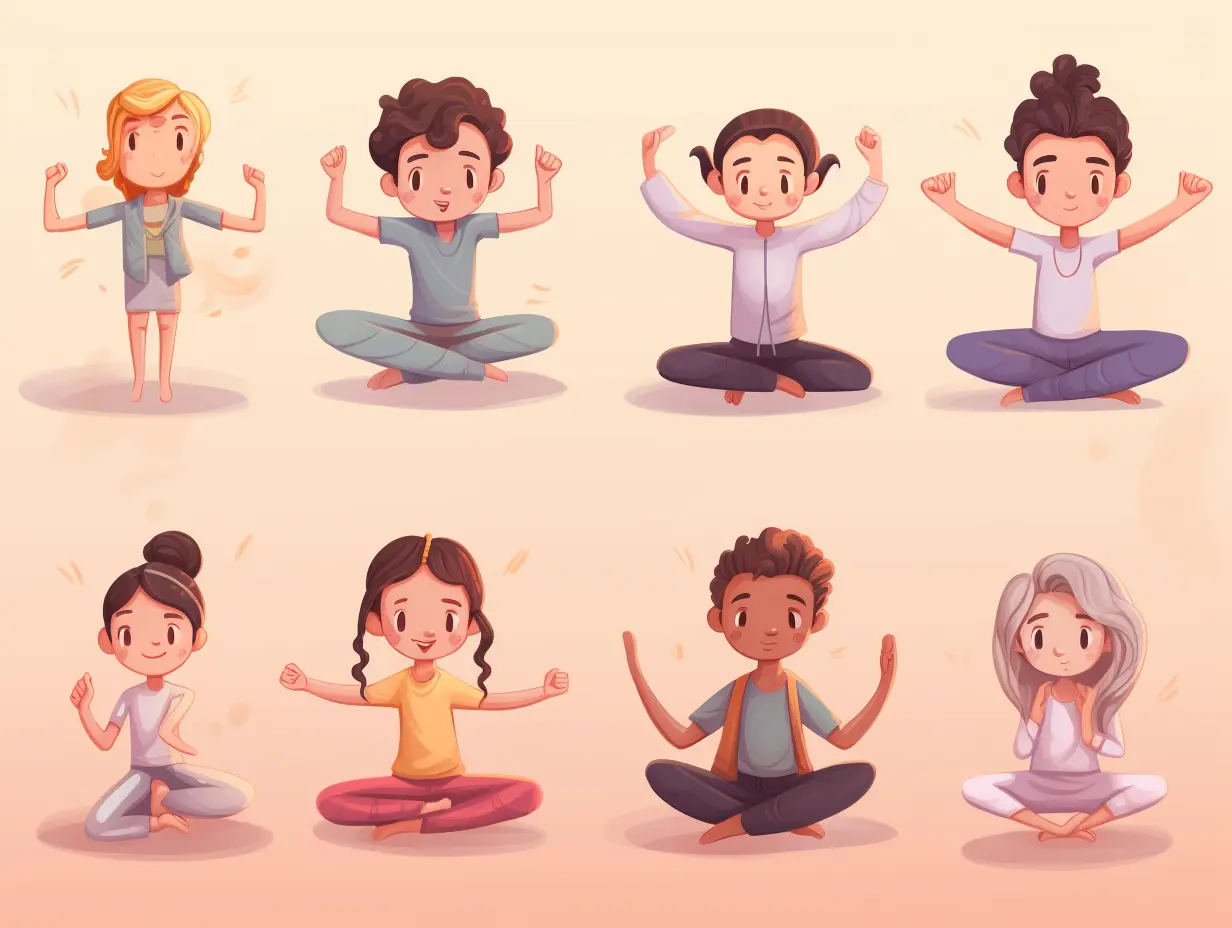
The Psychology Behind MBTI Types and Their Compatibility With Yoga Instruction
The MBTI (Myers-Briggs Type Indicator) is more than just a set of letters that tell you about yourself. It dives deeply into how you perceive the world and interact with others. It focuses on various cognitive functions like perception, judgment, focusing on inner or outer worlds, and more. This comprehensive psychological insight helps individuals understand their strengths and how they can be leveraged in different settings, including professional environments.
Take Sarah, for instance. Sarah is an ENFJ—or a "Hero" in Boo’s terms. Her natural empathy and leadership abilities make her a fantastic group facilitator. She’s nurturing, attentive, and genuinely invested in the well-being of others. This makes teaching yoga a fulfilling experience for her, as she can guide her students not only through physical postures but also emotional and spiritual growth.
Understanding the psychology behind why some MBTI types are drawn to yoga instruction offers a roadmap to fulfilling that career desire. The better you know yourself, the more you can lean into your natural abilities and preferences, creating a more harmonious life and career.
The MBTI Types Best Suited to Be Yoga Instructors
If you’re curious whether your MBTI type aligns well with becoming a yoga instructor, you’re in the right place. Based on personality traits, cognitive preferences, and natural inclinations, we've identified the five MBTI types most suited to this path.
ENFJ - Hero: Nurturing Leaders in the Yoga Community
ENFJs are natural leaders who excel in environments where they can inspire and support others. Their innate empathy allows them to sense the needs of their students, creating a warm and welcoming atmosphere in the yoga studio. They thrive on building connections and fostering a sense of community, which is essential in a practice that emphasizes mindfulness and personal growth.
As yoga instructors, ENFJs are adept at crafting class experiences that resonate with participants on multiple levels. They often incorporate themes of personal development and emotional well-being into their sessions, encouraging students to explore not only the physical aspects of yoga but also their inner selves. Their organizational skills enable them to manage classes effectively, ensuring that each student feels valued and supported.
- Strong leadership qualities help in creating a cohesive community.
- Empathetic nature fosters deep connections with students.
- Excellent organizational skills enhance class structure and flow.
INFP - Peacemaker: Serene and Mild Climates
INFPs are characterized by their deep compassion and introspective nature, making them ideal yoga instructors who can connect with students on a profound level. Their ability to empathize with others allows them to create a safe and nurturing environment in which students can explore their emotions and personal journeys. INFPs often emphasize the importance of inner peace and self-acceptance in their teachings, helping students to cultivate mindfulness and self-awareness.
In the yoga studio, INFPs typically focus on the spiritual and emotional dimensions of the practice. They may incorporate meditation, reflective exercises, and gentle guidance to help students explore their inner landscapes. This approach not only enhances the physical practice but also encourages a holistic understanding of wellness. Their calm demeanor and ability to listen make them approachable and trustworthy instructors.
- Deep sense of compassion enhances student connections.
- Focus on emotional and spiritual dimensions of yoga practice.
- Nurturing environment fosters personal exploration and growth.
INFJ - Guardian: Insightful Guides for Personal Growth
INFJs are known for their insightful and visionary qualities, making them exceptional yoga instructors. Their ability to understand complex emotions and motivations allows them to connect deeply with their students. INFJs often approach teaching with a holistic perspective, focusing on the integration of mind, body, and spirit. They are driven by a desire to facilitate personal growth and transformation, which is a core aspect of yoga practice.
In the classroom, INFJs create a safe space for students to explore their boundaries and push their limits. They often tailor their teaching to meet the unique needs of each individual, ensuring that everyone feels supported in their journey. INFJs are also adept at incorporating philosophical themes into their classes, encouraging students to reflect on their life experiences and how they relate to their practice.
- Strong emotional intelligence fosters deep student connections.
- Focus on holistic wellness and personal growth.
- Tailored teaching methods ensure individual student support.
ISFP - Artist: Creating Immersive Experiences
ISFPs are known for their appreciation of beauty and harmony, which translates seamlessly into their yoga instruction. Their ability to immerse themselves in the present moment allows them to create classes that are not only physically engaging but also aesthetically pleasing. ISFPs often incorporate elements of art, music, and nature into their sessions, enhancing the overall experience for their students.
In their teaching style, ISFPs prioritize mindfulness and sensory awareness, encouraging students to connect with their bodies and surroundings. They may use creative sequencing and innovative poses to inspire exploration and self-expression. This artistic approach not only captivates students but also fosters a sense of joy and spontaneity in practice, making each class feel unique and transformative.
- Appreciation for beauty enhances the aesthetic of classes.
- Focus on mindfulness and sensory awareness enriches student experience.
- Creative teaching methods encourage self-expression and exploration.
ESFP - Performer: Dynamic and Engaging Instructors
ESFPs bring a vibrant energy to the yoga studio, making them naturally engaging instructors. Their extroverted and spontaneous nature allows them to connect with students in a lively and interactive manner. ESFPs thrive on creating an energetic atmosphere, encouraging participants to enjoy the physical aspects of yoga while also embracing the fun and playful side of practice.
In the classroom, ESFPs often incorporate dynamic movements and music to keep students motivated and excited. Their enthusiasm is contagious, helping to create a supportive environment where students feel comfortable pushing their limits. Additionally, ESFPs are great at improvising and adapting their classes on the fly, ensuring that each session meets the unique energy and needs of the group.
- Vibrant energy creates an engaging and lively atmosphere.
- Spontaneous teaching style keeps classes dynamic and fun.
- Ability to improvise enhances adaptability to student needs.
MEET NEW PEOPLE
50,000,000+
DOWNLOADS
Potential Pitfalls and How to Avoid Them
Just as there's no perfect person, there's no perfect process. While certain MBTI types may find themselves naturally inclined towards yoga instruction, there are still potential pitfalls. Being aware of these can help you mitigate them and find true fulfillment in your practice.
Burning Out from Emotional Investment
Investing deeply in your students can be emotionally draining. Remember, self-care is critical. Take time for yourself to recharge.
Overlooking Business Aspects
Passion for teaching may lead you to neglect administrative tasks. Make sure to develop business skills or seek help in these areas to sustain your practice.
Sticking to a Single Teaching Style
It can be easy to fall into a routine with a single teaching style. Try to diversify your methods and keep classes fresh and exciting for your students.
Not Setting Boundaries
Finding a balance between professional and personal life is crucial. Set clear boundaries to prevent burnout and maintain a positive relationship with your practice.
Handling Criticism Poorly
Teaching yoga can invite criticism, either from clients or peers. Learning how to take constructive feedback can improve your skills and help you grow as an instructor.
Latest Research: Honesty as the Bedrock of Adult Friendships
Ilmarinen et al.'s study, exploring the pivotal role of honesty and other personality traits in friendship formation, particularly among military cadets, offers profound insights transferable to adult friendships outside the military context. The research underscores the significance of shared values, especially honesty, in establishing deep and meaningful connections. It posits that honesty not only fosters trust but also serves as a fundamental pillar upon which enduring friendships are built. For adults navigating the complexities of various social environments, this study highlights the critical importance of aligning with individuals who embody honesty and integrity, suggesting that such qualities are essential for the development of genuine and supportive relationships.
The findings encourage adults to prioritize honesty in their interactions, advocating for the selection of friends who reflect their own values and ethical standards. This approach not only enhances the quality of friendships but also contributes to a more authentic and satisfying social life. Ilmarinen et al.'s focus on similarity-attraction in friendship formation enriches our understanding of the dynamics of adult relationships, emphasizing the indispensable role of honesty in fostering connections that are both fulfilling and enduring.
FAQs
Are certain MBTI types more suited to specific yoga styles?
Yes, some MBTI types can find they resonate more with specific yoga styles. For example, ENFPs might enjoy the creative freedom of Vinyasa, while ISFJs could be drawn to the calming, structured practice of Hatha Yoga.
Can introverted types succeed as yoga instructors?
Absolutely! Introverted types like INFPs and INFJs often bring a level of introspection and empathy that creates a deeply nurturing environment for their students.
How do I find out my MBTI type?
You can take a Myers-Briggs Type Indicator test through various certified platforms online. Boo also offers personality assessments that align well with MBTI types.
Is yoga instruction a good side hustle?
Yes, yoga instruction can be a fulfilling side hustle. It offers flexibility in scheduling and allows you to share your passion for wellness with others.
How can understanding my MBTI type improve my teaching?
Understanding your MBTI type helps you leverage your natural strengths and address potential weaknesses. This self-awareness can make you more effective and fulfilled as an instructor.
Taking the Leap Into Yoga Instruction
In conclusion, understanding your MBTI type can provide invaluable insights into whether a career in yoga instruction is right for you. The most likely types, such as ENFJs and INFJs, bring unique strengths that align well with teaching yoga, creating a fulfilling and harmonious path. Remember, though, that every personality type brings something special to the table, and knowing your strengths can help you navigate any challenges you encounter. By aligning your natural abilities and inclinations with your professional endeavors, you set yourself up for a meaningful and impactful career. Namaste!