How ESTPs Resolve Conflicts: Using Charm and Sensitivity
Ready to crack the conflict code, Rebels? Here, we're digging into the electrifying depths of how we ESTPs— the daring daredevils, the Rebels— dismantle discord and take charge in those tense moments. Hang on tight, because we're about to embark on a rollercoaster ride through the fascinating terrain of conflict resolution, ESTP-style.

How ESTPs Resolve Conflicts with Fair Play
Imagine this: You're in a heated debate with your best bud about which superhero would win in a brawl – Batman or Iron Man. As an ESTP resolving conflicts, you don't resort to throwing popcorn at the TV or launch into a full-scale argument. That’s not our style, Rebels. Instead, we hold our ground, keenly observe the vibe, and assess the situation— all while maintaining our undeniable charm. It's our own little superpower, our ace in the hole.
Why is this, you ask? It's all thanks to our primary cognitive function: Extroverted Sensing (Se). With Se, we're always alert and attuned to our environment, picking up even the smallest changes in others' expressions or tone of voice. So, when it comes to conflict, we've got a front-row seat to the emotional rollercoaster, ready to handle every twist and turn.
As Rebels, we take this innate sensitivity and combine it with a healthy dose of charm, disarming anger and smoothing over misunderstandings like a pro. And for anyone dating a Rebel, trust us, it's an absolute game-changer!
How ESTPs Act Quickly to Resolve Conflicts
Conflicts aren’t something we shy away from—they’re just another problem to solve, preferably fast. While some people stew over disagreements, analyzing every emotional ripple, we ESTPs prefer to dive in, fix the issue, and move on.
Picture this: A team meeting gets derailed because two coworkers are butting heads over a minor mistake. While others hesitate, worried about stepping on toes, we ESTPs jump in. We cut through the nonsense, get people to focus on solutions, and somehow make the whole thing feel like just another lively discussion.
Our fast-thinking, action-driven approach comes from our Extroverted Thinking (Te) in the background, which helps us cut through unnecessary drama and focus on results. Sure, this means we sometimes come off as impatient, but hey, we’d rather get things done than waste time tiptoeing around tension.
For anyone dealing with an ESTP, the best way to handle conflict with us is to be direct—say what you need to say, keep it logical, and don’t drag it out longer than necessary. We respect people who can match our energy and handle a little blunt honesty.
How ESTPs Use Cognitive Functions in Conflict
Alright, folks, time to dive into the magical world of Rebel cognitive functions. This ain't your average science lesson, so buckle up and prepare for a wild ride!
First off, let's talk about Se. With Se leading the way, we're all about the here and now. We pick up on the smallest details— the tilt of a head, the tone of a voice, the flicker of an eye— and process them at lightning speed. That's why we're always ten steps ahead in any conflict, ready to dodge or deflect as needed.
Then there's Introverted Thinking (Ti), our trusty sidekick. With Ti, we analyze, dissect, and understand, enabling us to cut through the noise and see the real issues at play in any dispute. Now, pair that with Extroverted Feeling (Fe), and we've got a one-two punch for understanding anyone we’re talking with. Fe gives us that crucial ability to empathize, to put ourselves in another's shoes and see things from their perspective.
And let's not forget Introverted Intuition (Ni), our secret weapon. Ni lets us see the bigger picture, making us excellent at predicting how things will pan out and helping us nip conflicts in the bud before they even start.
For anyone working with a Rebel, remember this: we're not just thrill-seekers. We're observant, empathetic, and intuitive problem-solvers who thrive in the face of conflict. So, let's bring it on!
Understanding the ESTP Conflict Chart

INFJ
Guardian
INTJ
Mastermind
ENFP
Crusader
ENTP
Challenger

INFP
Peacemaker

ISFP
Artist

ENFJ
Hero

ESFJ
Ambassador

INTP
Genius

ISTP
Artisan

ENTJ
Commander
ESTJ
Executive

ISFJ
Protector

ISTJ
Realist
ESFP
Performer

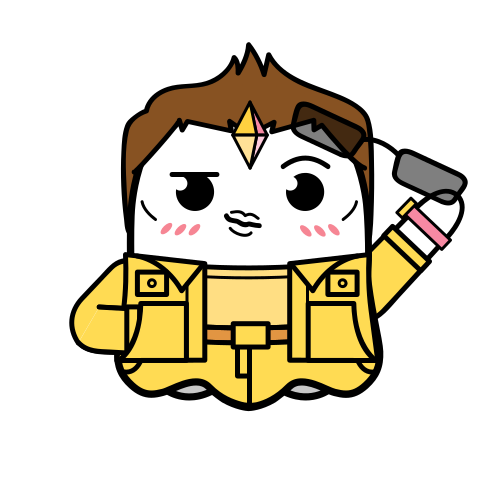
ESTP
Rebel
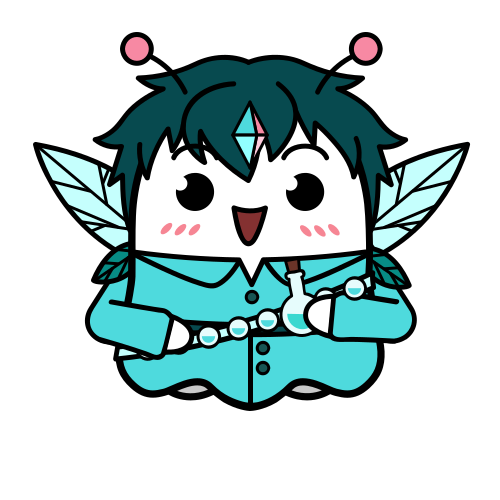
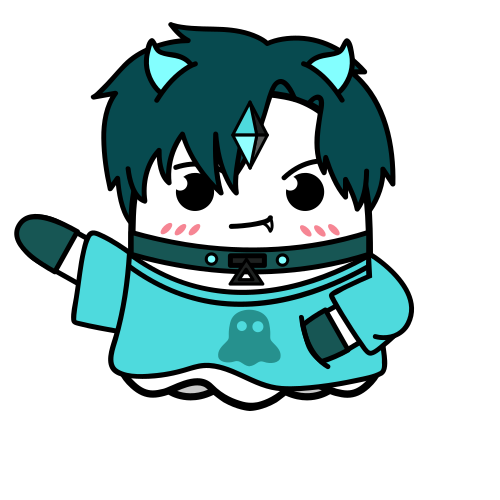
When it comes to conflict, ESTPs don’t just talk—they engage. We thrive on fast-paced conversations, quick problem-solving, and keeping things from getting too serious. But while some personality types appreciate our directness and charm, others find it overwhelming or even reckless.
The ESTP Conflict Chart is here to break down how we interact with different types during conflicts—who matches our energy, and who might challenge our approach. Click on any type in the chart to explore the dynamics of conflict between ESTPs and that personality type. Knowing where the friction points are (and where things just click) makes it easier to navigate relationships like a pro.
Types That Challenge ESTPs in Conflict
We can handle a good debate, but some personalities make conflict more complicated than it needs to be. Whether it’s because they’re too structured, too sensitive, or just see the world differently, here are the types that can push our patience.
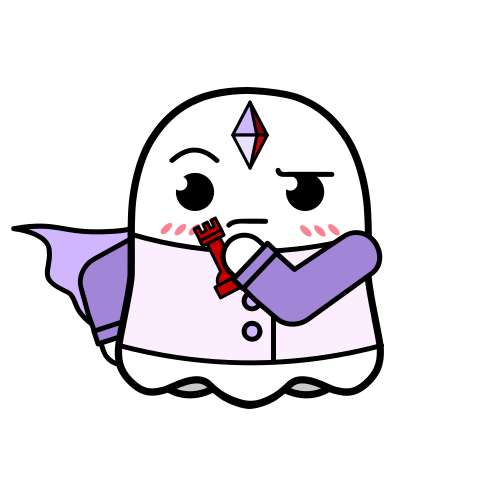
INFJ: Resolving Conflict with Deep Thinkers
INFJs and ESTPs are opposites in every way—and that’s both fascinating and frustrating. INFJs approach conflicts with deep emotional analysis, wanting to uncover the why behind the disagreement. ESTPs, on the other hand, focus on what’s happening right now and how to fix it fast. This can create some serious tension, as INFJs may feel dismissed, and ESTPs may feel like they’re being dragged into unnecessary overanalysis.
Picture an ESTP in an argument with an INFJ friend. The INFJ says, “I just feel like you don’t appreciate the time I put into this.” The ESTP responds, “Why are we talking about feelings? The project got done, didn’t it?” Boom. Instant disconnect.
The key to making it work? ESTPs need to slow down and acknowledge the INFJ’s need for deeper meaning, while INFJs should try to get to the point faster and not take the ESTP’s bluntness so personally.
ISFJ: Resolving Conflict with Caregivers
ISFJs like predictability, harmony, and stability—basically, everything an ESTP likes to shake up. In conflict, ISFJs tend to be reserved and indirect, preferring to keep the peace rather than engage in open confrontation. Meanwhile, ESTPs prefer to address issues head-on, which can feel too aggressive for ISFJs, making them retreat further.
Imagine an ISFJ avoiding a tough conversation with an ESTP partner. The ESTP, getting frustrated, pushes the issue, thinking, “Why won’t they just say what’s wrong?” Meanwhile, the ISFJ feels pressured and hurt, thinking, “Why do they have to be so pushy?”
The best way forward? ESTPs can tone down their intensity and give ISFJs space to express themselves at their own pace, while ISFJs can practice being more direct and honest about their concerns.
INFP: Resolving Conflict with Dreamers
The INFP-ESTP clash often comes down to a difference in priorities. INFPs are guided by their inner values and emotions, while ESTPs focus on what’s practical and efficient. INFPs may feel like ESTPs bulldoze over their feelings, while ESTPs may feel like INFPs get caught up in abstract ideals instead of taking action.
Take an INFP-ESTP friendship. The INFP might say, “I just feel like this decision doesn’t align with my values,” while the ESTP fires back, “Okay, but is it going to work or not?” The INFP then withdraws, feeling unheard, while the ESTP gets annoyed at the lack of a clear solution.
For this dynamic to work, ESTPs need to recognize that emotions matter, even if they don’t seem logical, while INFPs should try to communicate their concerns in a way that’s actionable rather than abstract.
Types ESTPs Connect Well with in Conflict
While some types challenge us, others bring out our best. These personalities match our energy, challenge us in the right ways, and keep conflicts productive instead of frustrating.
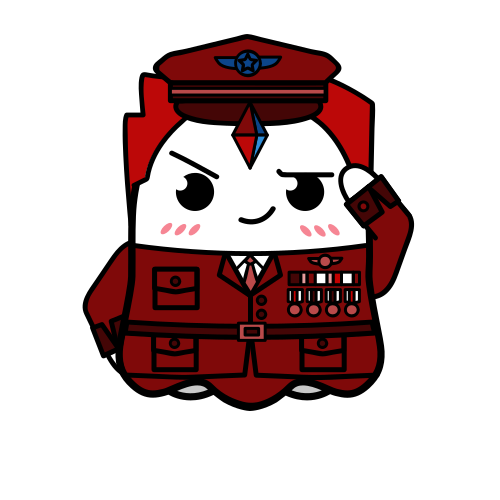
ESTJ: Resolving Conflict with Goal-Oriented Types
ESTPs and ESTJs are a powerhouse team. Both are practical, action-oriented, and love to get things done. In conflict, neither type shies away from direct conversations, and both appreciate a no-nonsense approach.
If an ESTP and ESTJ disagree, it’s usually about execution rather than emotions. They might go back and forth debating the best way to do something, but since both value results over drama, they can quickly find a solution and move on.
This dynamic thrives when both parties respect each other’s competence and avoid turning discussions into unnecessary power struggles.
ENFP: Resolving Conflict with Adventurous Types
ENFPs and ESTPs are like fireworks together—exciting, unpredictable, and always up for an adventure. Both types love engaging with new ideas, people, and experiences, making their interactions lively and fun.
When conflicts arise, neither type takes things too personally, and both are usually willing to talk things through without holding grudges. However, ENFPs may sometimes want deeper emotional discussions that ESTPs would rather avoid.
To keep things smooth, ESTPs can take a moment to acknowledge the ENFP’s feelings before moving on, while ENFPs can recognize that not every conversation needs to be a deep emotional dive.
How ESTPs Resolve Conflict Effectively
In the end, it all boils down to this, Rebels. We don't just resolve conflicts. We turn them into a thrilling ride, an opportunity to understand, connect, and grow. Thanks to our ESTP charm and sensitivity, we know how to navigate the storm and come out on top.
Conflicts may be inevitable, but for us Rebels, they're just another adventure, another chance to put our cognitive superpowers to the test. So, next time you're in the thick of it, remember this: as an ESTP, you're not just a conflict resolver. You're a conflict champion. Now, go out there and show the world what we Rebels are made of!
MEET NEW PEOPLE
50,000,000+
DOWNLOADS
Universes
Personalities
Meet New People
50,000,000+
DOWNLOADS